
Last updated November 15, 2026
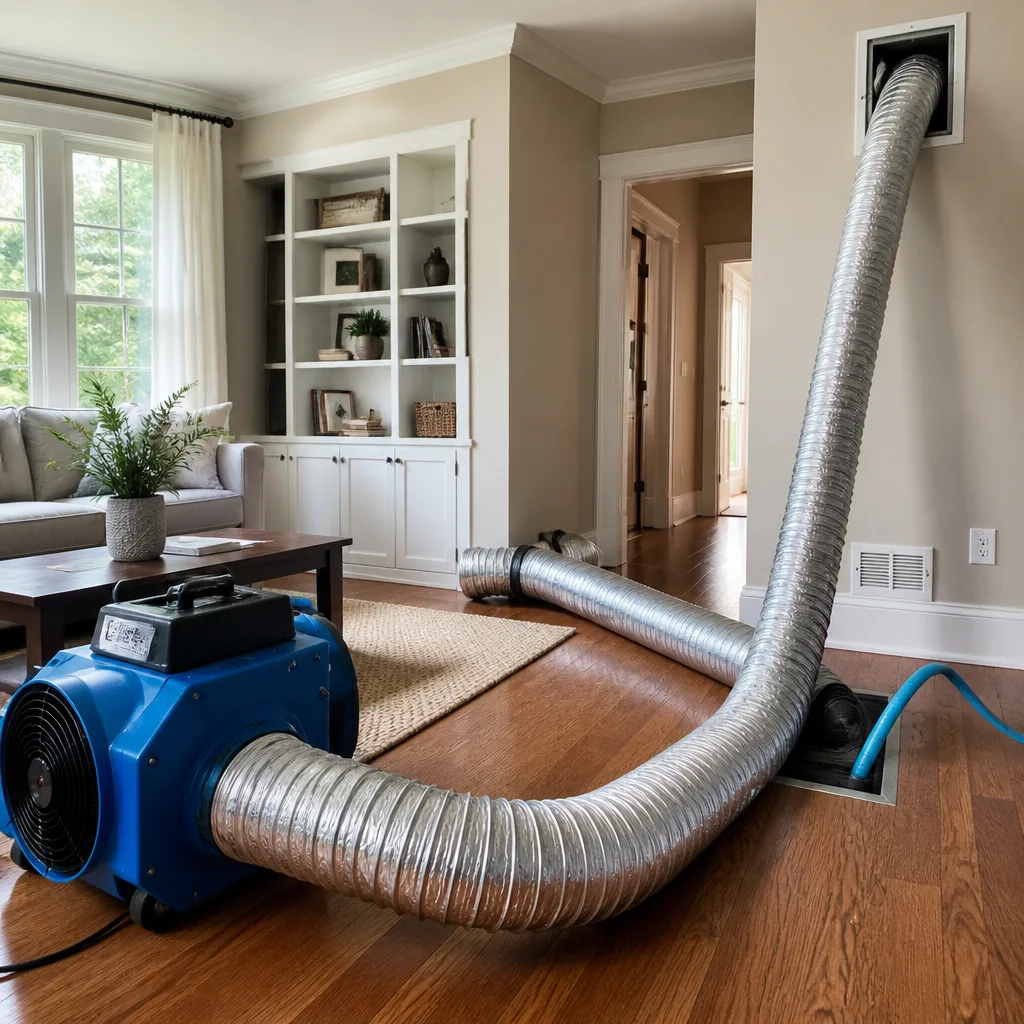 Whole-home duct cleaning
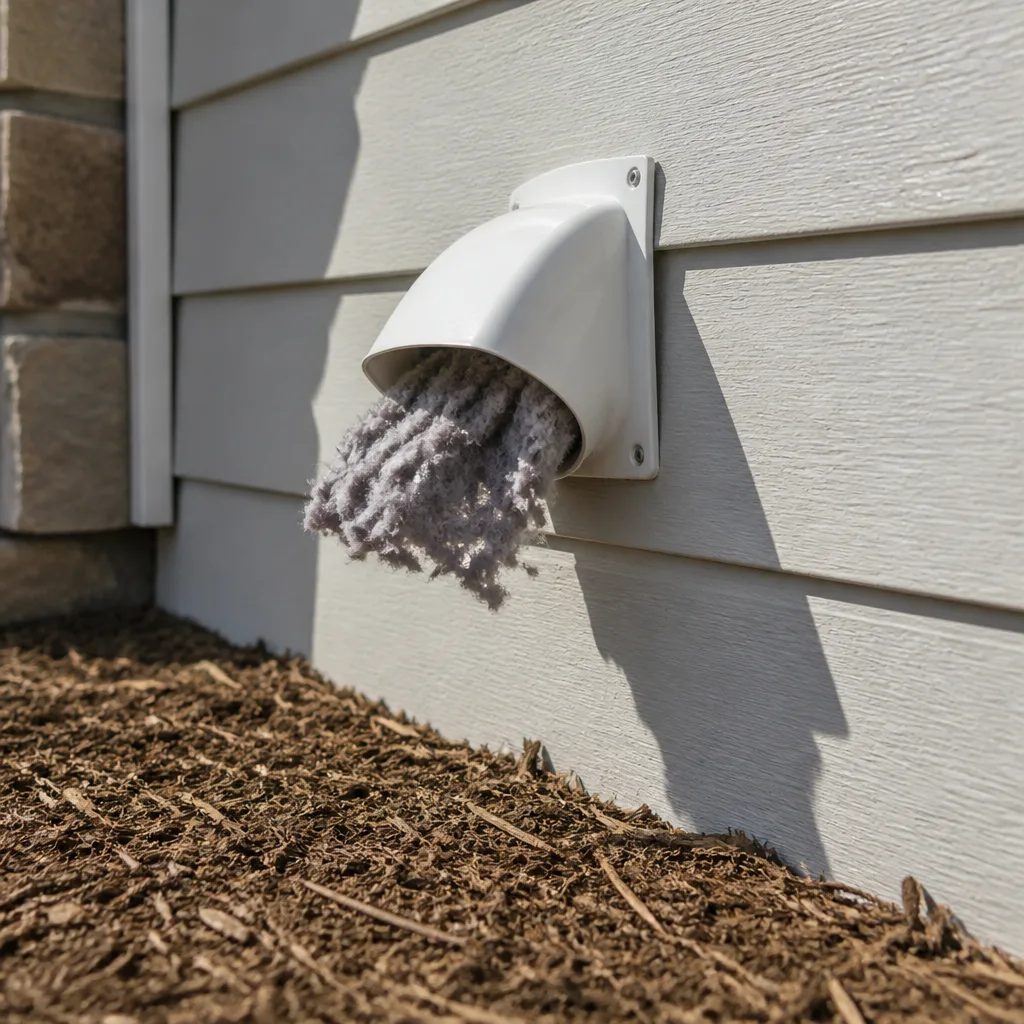 Dryer vent cleaning
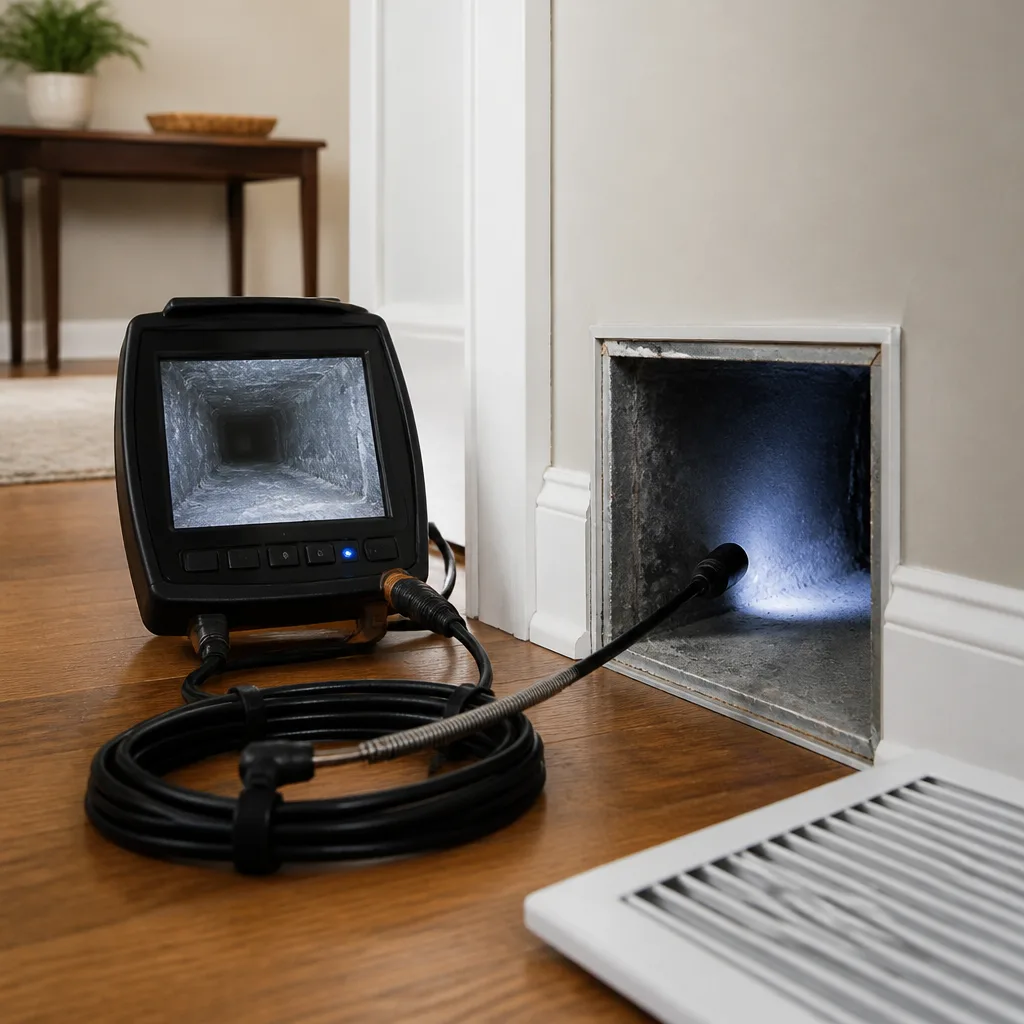 Camera inspection
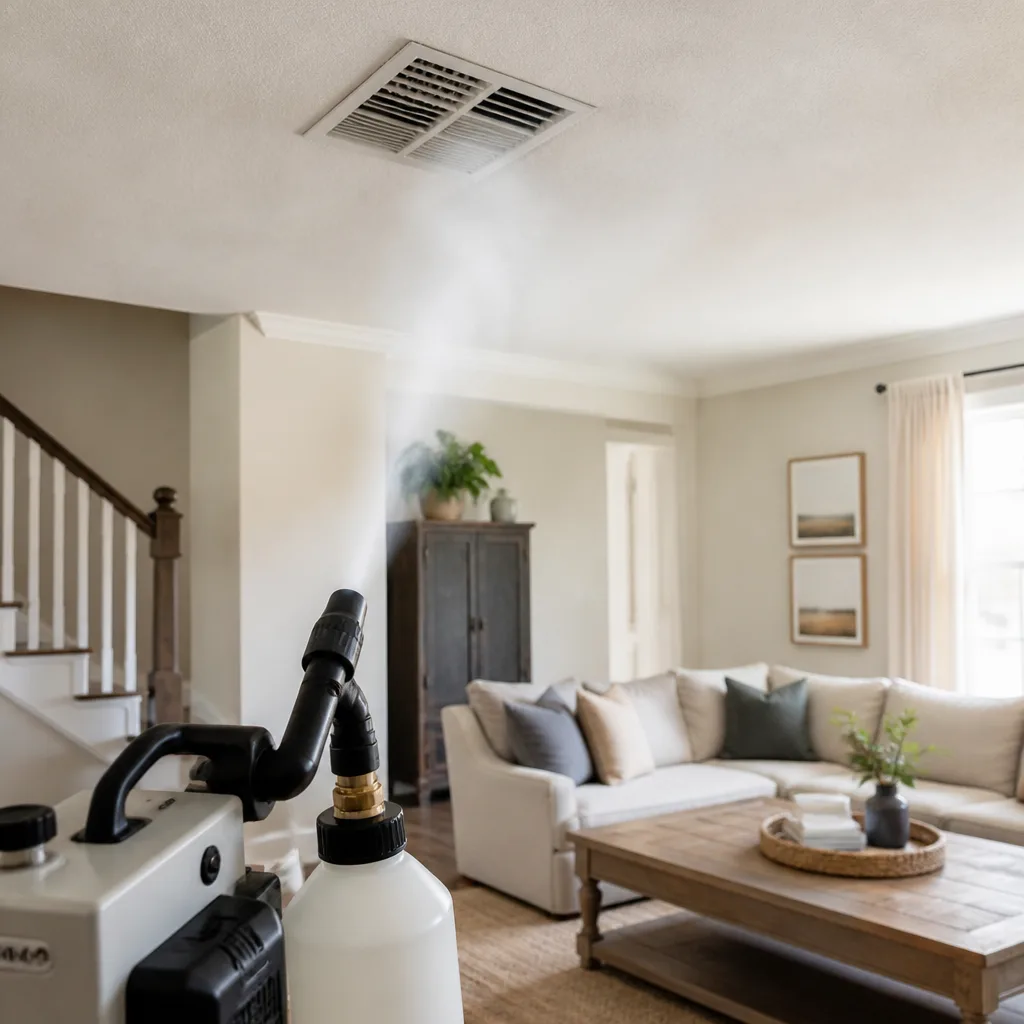 Sanitizing & deodorizing
Whole-system duct and dryer vent check with before-and-after photos - you see exactly what came out of your vents
That "$99 whole-house special" is a bait ad - the real number appears once they are in your hallway, or the "clean" is a shop-vac at the register. We photograph the inside of your ducts before and after instead.
Air Duct Cleaning Maintenance Schedule: What to Do and When
The advice you’ve probably read, “clean your ducts every three to five years,” wasn’t written for a place like Palm Bay. That interval assumes a house where the air handler runs a few hundred hours a year and the outdoor air is dry half the time. Here, a home can run its system thousands of hours annually in heavy humidity, and contamination builds on a completely different timeline. A calendar year tells you almost nothing about what’s happening inside your ducts. Runtime hours, filtration, moisture, and what’s happened inside the house tell you almost everything. This guide gives you a framework you can actually evaluate yourself, from your own thermostat data and a phone camera, so you can schedule cleaning on evidence instead of a rule of thumb.
Quick Answer
There’s no universal calendar interval for duct cleaning. A reasonable default for a typical Palm Bay home is a professional cleaning every three to five years, but that’s a starting point, not a rule. Homes with pets, allergy sufferers, recent renovations, high runtime hours, or interior moisture events should be evaluated sooner, often every two to three years. The most reliable method is to benchmark against your system’s actual runtime hours and inspect the supply boots periodically, which we explain below.
Styles & brands we work with
- Whole-home duct cleaning
- Dryer vent cleaning
- Camera inspection
- Sanitizing & deodorizing
Table of Contents
- Why Runtime Hours Beat Calendar Years
- Filter MERV Rating as a Maintenance Multiplier
- Palm Bay Humidity Seasonality: May Through October
- Event-Triggered Cleaning: The Mandatory Reset Points
- How to Build a Simple Inspection Log
- Putting Together a Sample Maintenance Schedule
- Common Mistakes to Avoid
- When to Call a Professional
- Frequently Asked Questions
Why Runtime Hours Beat Calendar Years
Air duct contamination accumulates in proportion to how much air moves through the system, not how many times the earth goes around the sun. A home whose air handler runs 800 hours a year and a home whose air handler runs 2,800 hours a year are not on the same maintenance timeline, even if they were built the same year. In Palm Bay, cooling demand runs long. The system pulls air through the return, across the coil, and out through the supply trunk for most of the cooling season, often May through October and well into the shoulder months. Every one of those hours moves dust, pollen, and skin cells through the ductwork. Think of runtime as mileage on a car. A ten-year-old car with 30,000 miles and a three-year-old car with 90,000 miles need very different service, and nobody schedules by model year alone.
Where to Find Your Runtime Data
Most modern thermostats log runtime, though the menu varies by brand. If you use a Honeywell or Aprilaire thermostat, the equipment status or system settings screens usually show accumulated runtime hours for heating and cooling. Check the manual or the manufacturer’s app if you can’t find it. If your thermostat doesn’t track hours, you can estimate from your utility bill: cooling kWh divided by your system’s average draw gives a rough runtime figure. Some homeowners install a simple hour meter on the air handler’s low-voltage circuit for a precise count. Any of these methods gets you close enough to build a real baseline.
Benchmarking Cleaning Against Hours
Once you know your annual runtime, you can set a target. Here’s a practical starting framework:
- Under 1,000 hours a year: A professional cleaning every five to seven years, with annual visual inspections, is usually reasonable.
- 1,000 to 2,000 hours a year: Cleaning every three to five years fits most homes in this range.
- 2,000 to 3,000 hours a year: Cleaning every two to three years is a stronger starting point, especially if pets or allergy sufferers live in the home.
- Over 3,000 hours a year: Annual to biennial cleaning and inspection makes sense in most cases.
These are starting points, not prescriptions. Your filter grade, humidity exposure, and household events will push the interval in one direction or another, which the next sections cover.
Filter MERV Rating as a Maintenance Multiplier
The filter is the primary barrier between the air in your home and the inside of your ducts, and its MERV rating changes what gets through. MERV, which stands for Minimum Efficiency Reporting Value, describes how effectively a filter captures particles of different sizes. A basic MERV 4 filter, common in older systems, catches the large stuff and lets the fine particles pass. A MERV 11 filter captures far more of the fine particulate, including the material that coats the inside of ductwork and accumulates on the blower wheel and evaporator coil.
Why a Higher MERV Rating Can Extend Cleaning Intervals
Upgrading from a MERV 4 to a MERV 11 filter typically reduces the particulate load that reaches your ducts. In practice, a home running MERV 11 with a well-sealed return can go longer between cleanings than an identical home running MERV 4, because less contamination arrives in the first place. That’s the maintenance multiplier at work. The tradeoff is that higher-MERV filters load faster and can restrict airflow if the filter is too dense for the blower. Don’t jump straight to MERV 13 without checking your system’s static pressure rating or asking a technician. MERV 11 is a reasonable balance for most Palm Bay homes.
What a Duct Inspection Should Confirm About Your Filtration Setup
When we inspect ducts in Palm Bay, we check more than the filter itself. We confirm the filter is the correct size for the slot and doesn’t leave a bypass gap where unfiltered air slips around the edges. We check the return plenum and the blower compartment for dust bypass and look at whether the filter grille seals tightly. If your system uses a Honeywell or Aprilaire media cabinet rather than a slot filter, we confirm the media is seated correctly and hasn’t collapsed from moisture or neglect. Poor filtration seals are one of the most common reasons a home needs cleaning sooner than its runtime hours suggest.
Palm Bay Humidity Seasonality: May Through October
Humidity is the wildcard in a duct maintenance schedule, and in Palm Bay, it’s a big one. From May through October, outdoor humidity climbs, air conditioning runs nearly around the clock, and the temperature differential between the cool air inside the ducts and the warmer, more humid air in the attic creates the conditions for condensation. Every time that condensation forms on the interior of attic flex duct, it starts a short-term moisture event that can support microbial growth on accumulated dust. Repeat that through a full cooling season and the ducts have been through six months of accelerated microbial windows. This is why a Palm Bay home can go from “needs a look” to “needs cleaning” faster than the generic five-year rule suggests.
What Creates the Condensation Window
Attic flex duct is insulated, but the insulation isn’t a perfect moisture barrier. When the supply air comes out of the air handler at roughly 55°F and the attic air sits at 90°F or higher with high relative humidity, any breach in the duct’s vapor barrier, any sag in the run, or any spot where the inner liner meets the boot without a clean seal can collect condensation. That’s the pool of moisture microbes need. Homes with ducts routed through unconditioned attic space or crawl space are the most exposed, and that describes a lot of the housing stock around Palm Bay, including many of the single-story homes across the city.
What to Inspect During the Wet Season
During the May-through-October stretch, check the following at least once:
- Look for water stains or moisture on the outside of flex duct runs in the attic.
- Check the supply boots for condensation, sagging, or a visible gap where the duct meets the boot collar.
- Smell the return air. A musty note is a moisture-event symptom and merits a closer look.
- Watch for rust on the evaporator coil cabinet or blower housing, both markers of interior moisture.
- Confirm the condensate drain is flowing freely and the drip pan isn’t holding water.
If you spot any of these during the wet season, it’s worth a professional inspection even if your schedule says otherwise. A moisture problem caught early is duct repair. A moisture problem left through a full season is duct replacement and remediation.
Event-Triggered Cleaning: The Mandatory Reset Points
Some events reset your maintenance clock no matter how many runtime hours or months have passed. Think of these as mandatory inspection touchpoints, not optional reminders. A home with fresh renovation dust in the return or a rodent intrusion in the ductwork needs cleaning on the event, not on the calendar.
The Events That Trigger Cleaning
- Major renovations. Drywall dust, sawdust, and construction debris get pulled into the return faster than any filter can catch it. Any renovation that opens walls, ceilings, or floors should be followed by duct cleaning and inspection.
- Water intrusion. A roof leak, an overflowing AC pan, or a burst supply line that wets duct insulation has created a microbial growth window. Cleaning and inspection should follow once the water source is repaired and the area is dry.
- Rodent or pest activity. Rodents use ductwork as a highway and leave behind droppings, nesting material, and contamination. If you hear scratching in the walls or find droppings near the air handler, cleaning is mandatory and shouldn’t wait for the calendar.
- HVAC equipment replacement. A new air handler or condenser is a logical moment to clean the ducts and inspect for defects the old equipment was masking. The new system deserves a clean start.
- Filter bypass discovered. If a technician finds that unfiltered air has been bypassing the filter for years, cleaning should follow regardless of the schedule.
- A new move-in. If you’ve just bought a home, you don’t know what the prior owners ran through the ducts. A moving-in cleaning gives you a known baseline from which to run your own schedule.
What to Do After the Event
For each of these triggers, the sequence is inspect, clean, repair, then restart the schedule. The inspection identifies what the event did to the ducts. The cleaning removes the contamination. The repair catches any defect the event exposed, whether a crushed flex run, a torn inner liner, or a leaking joint. Then the calendar and runtime clock restart from a clean system. A clean, repaired duct system that’s just been benchmarked is the ideal starting point for a maintenance schedule.
How to Build a Simple Inspection Log
You don’t need special equipment to build a maintenance schedule that outpaces a blanket rule. You need a phone camera and a notebook file. Take a photo of the interior of one or two supply boots at set intervals and keep the photos in a folder on your phone. The comparison tells you more than any calendar interval ever could.
The Step-by-Step Inspection Log Routine
- Pick your benchmark boots. Choose two supply registers in rooms with the most traffic, typically the living room and a bedroom. Mark them so you inspect the same boots every time.
- Remove the grille and photograph the boot interior. Point a flashlight into the boot and take a clear photo of the duct liner and boot collar. Use the same lighting and angle every time so the comparison is fair.
- Photograph the return filter and the filter slot. A shot of the filter itself and a shot of the slot shows whether the filter is sealing or bypassing.
- Note the thermostat runtime and the month. A line in a notes app is enough. Runtime hours times months gives you the data to compare across inspections.
- Repeat every six months. Once in late spring, before the heavy cooling season, and once in late fall, after it ends. Those two dates bracket the highest-risk window in Palm Bay.
- Compare the photos. If the boot interior shows visible dust buildup, discoloration, or a musty odor, the ducts have accumulated faster than the schedule predicted, and cleaning should move up.
Guardsman inspection mirrors, simple flashlight-and-phone photos, and a notes file are all it takes. This is exactly the kind of evidence professional technicians use to decide whether a home needs cleaning now or in another year. An honest inspection answers the question directly.
What Good Looks Like vs. What Needs Attention
In a home with clean, well-maintained ducts, the interior of a supply boot looks uniform, with the liner intact and no visible streaks or debris buildup on the metal. If you see a dull grey film starting to develop, that’s normal dust accumulation and means you’re somewhere in the middle of the interval. If the film is heavy, if you see debris piled at the boot collar, or if a musty smell follows the airflow, it’s time to clean. Photo comparison across six-month intervals gives you a real trend line instead of a guess.
Putting Together a Sample Maintenance Schedule
A working schedule combines runtime benchmarks, the wet-season humidity window, your filtration grade, and any events that reset the clock. Here’s what a reasonable schedule looks like for a typical Palm Bay home running 2,000 to 2,800 hours a year with a MERV 11 filter, one pet, and no allergy sufferers in the household:
- Annually: Replace the filter every three to six months depending on load, inspect the two benchmark boots twice, and confirm the thermostat and drain are functioning.
- Every 24 to 36 months: Full professional duct cleaning and inspection, ideally scheduled before May to start the wet season with a clean system.
- Every 6 months: Photo inspection log update, plus a check of flex duct runs in the attic for moisture or damage.
- On event: Cleaning and inspection after renovation, water intrusion, or pest activity, regardless of schedule.
Homes with allergy sufferers, asthma, multiple pets, or a household member with respiratory sensitivity should tighten the cleaning interval to every 18 to 24 months. Homes with a MERV 4 filter and heavy dust load may need the same. Use your inspection log to adjust up or down. The schedule is a tool, not a contract, and your data should override it whenever the two disagree.
Common Mistakes to Avoid
- Following the “three to five years” rule no matter what. That interval was written for average national conditions and average runtime hours. A Palm Bay home running 2,800 hours a year with high humidity is not in average territory, and the rule can let contamination build.
- Upgrading to a MERV 13 filter without checking airflow. A filter that’s too dense for your blower stalls airflow, freezes the coil, and can actually worsen duct contamination by raising static pressure. MERV 11 is a safer ceiling for most homes without a static-pressure check.
- Skipping the wet-season inspection. May through October is when moisture events happen in Palm Bay attic ductwork. A single inspect-and-photo mid-summer catches problems a year-round schedule would miss.
- Treating a renovation or water event as separate from duct maintenance. Both reset the clock. If you don’t clean after the event, your schedule is running on a contaminated baseline.
- Relying on a visual look at the grille only. The grille is a surface. The boot interior and the duct liner are where contamination and moisture issues actually show up, and that’s what the photo log captures.
- Cleaning without repairing. If a flex run is crushed or the inner liner is torn, cleaning gets the ducts spotless and the defects immediately begin to re-contaminate the system. Cleaning and repair belong together.
- Hiring on the lowest quote without seeing the equipment. A shop vac and a promise isn’t duct cleaning. Ask to see the equipment, and if the answer is vague, the maintenance schedule the contractor suggests isn’t worth much.
When to Call a Professional
Some jobs belong in your own hands, and some don’t. A professional schedule and inspection is the right call when you see heavy dust accumulation inside the supply boots, smell a musty note in the return air, discover moisture or rodent activity in the ductwork, or replace HVAC equipment. It’s also the right time after any renovation or water event. Beyond that, if you’ve built an inspection log and the photos are trending worse, you’ve reached the point where the schedule needs a reset from a clean system, and that’s a professional job. Our technicians have up to 9 years of experience and work with professional-grade equipment from Rotobrush, Nikro, and Abatement Technologies, not consumer substitutes. Duct Cleaning Palm Bay offers free estimates in Palm Bay. Call (844) 834-5154. We answer 24/7. Fast dispatch from 7am to 7pm, Sunday through Friday. We clean, and we repair, so a maintenance visit can catch and correct the duct defects that cleaning alone would leave in place.
Frequently Asked Questions
Most Palm Bay homes need professional duct cleaning every three to five years as a baseline, with homes running high runtime hours, multiple pets, or allergy sufferers needing it every two to three years. Homes over 3,000 annual runtime hours in heavy humidity should plan on inspection and cleaning every one to two years. Call (844) 834-5154 for a free estimate that’s built around your home’s specific runtime and filtration.
Yes, humidity is one of the biggest accelerators. From May through October, condensation inside attic flex duct creates short-term moisture events that support microbial growth on accumulated dust, and those events repeat for six months of the year. A home with exposed attic ductwork needs to be inspected for moisture at least once during the wet season regardless of how recently it was cleaned.
Often, yes. Going from a MERV 4 to a MERV 11 filter captures more fine particulate before it reaches the ducts, which reduces the contamination load and can stretch the interval by a year or more. Confirm your system can handle the added airflow resistance first, and be careful about pushing past MERV 11 without a static-pressure check. Call (844) 834-5154 to talk through the right filter for your system.
Major renovations, water intrusion, rodent or pest activity, HVAC equipment replacement, and a new move-in all reset the maintenance clock. Each of these introduces contamination or moisture the existing schedule didn’t account for. Cleaning and inspection after each event keeps your baseline clean, so the runtime and calendar clocks can restart from a known state.
You can photograph the interior of supply boots and note the thermostat runtime yourself, and that’s the best routine to build. What you can’t easily do is inspect the full length of the flex duct runs, the return plenum, or the blower cabinet. A professional inspection with a camera and proper lighting is the right call once a year, or whenever your photos show the trend is trending worse. Ask to see the equipment when the technician arrives; professional technicians welcome the question.
You should get before-and-after photos of your own ducts and a clear written scope of what was cleaned and what was repaired, plus one flat price per system agreed before work starts. Professional-grade equipment like Rotobrush rotary brush systems, Nikro HEPA vacuums, and Abatement Technologies negative-air machines is what makes a defensible job possible; shop-vac setups don’t provide the same result, which is why honest contractors will show you the equipment.
The Bottom Line
Air duct cleaning in Palm Bay isn’t a fixed calendar. It’s a decision that comes from your runtime hours, your filter grade, the wet-season humidity window, and the events your home has been through. Start with a baseline inspection and a photo log of two supply boots. Benchmark against the runtime hours on your thermostat. Replace filters on a real schedule, upgrade toward MERV 11 if your system allows it, and inspect once during the May-through-October stretch. Then let the photos and the runtime tell you when to schedule the next cleaning. That beats a five-year rule every time. When you’re ready for a professional cleaning and inspection that fits your actual schedule, air duct cleaning with a full inspection and repair scope is what Duct Cleaning Palm Bay provides. Call (844) 834-5154. We answer 24/7. Fast dispatch from 7am to 7pm, Sunday through Friday. Estimates are free.
Written by the team at Duct Cleaning Palm Bay.
See the difference
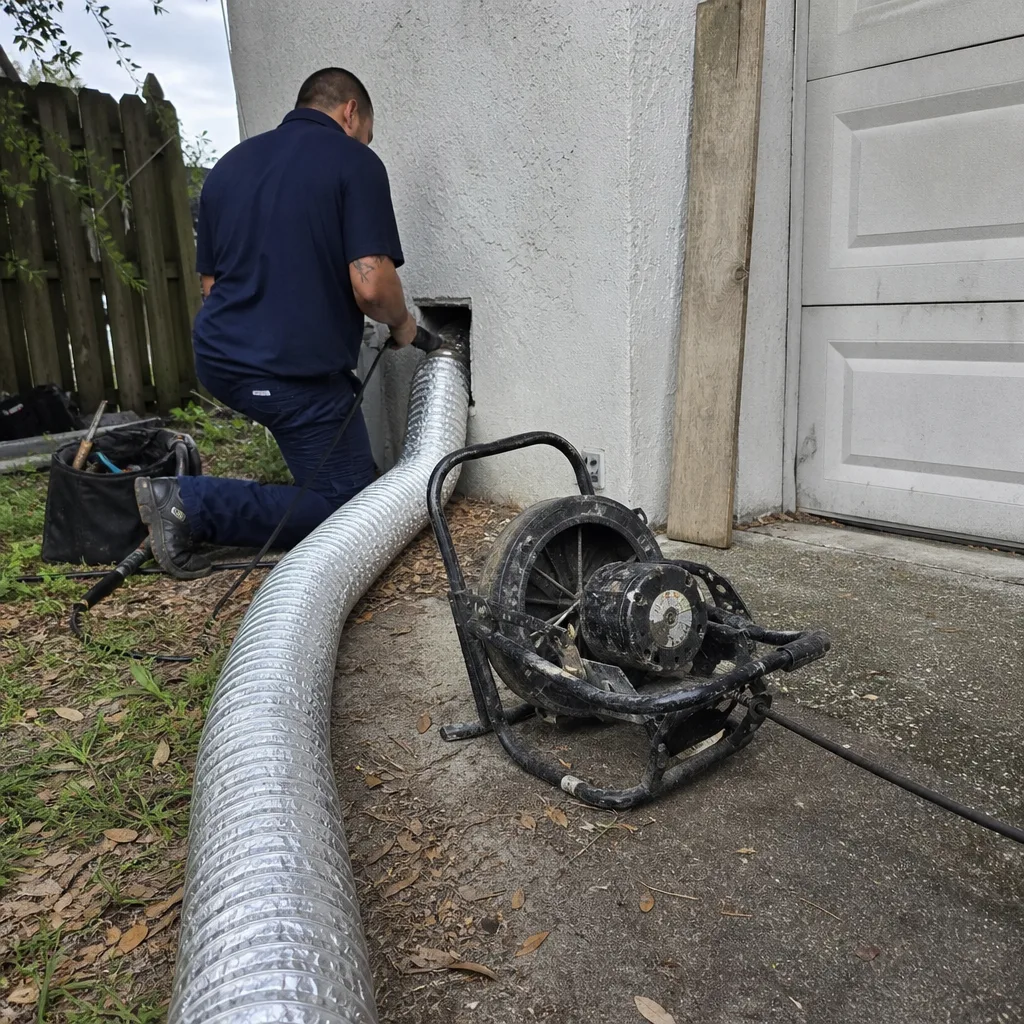 Before
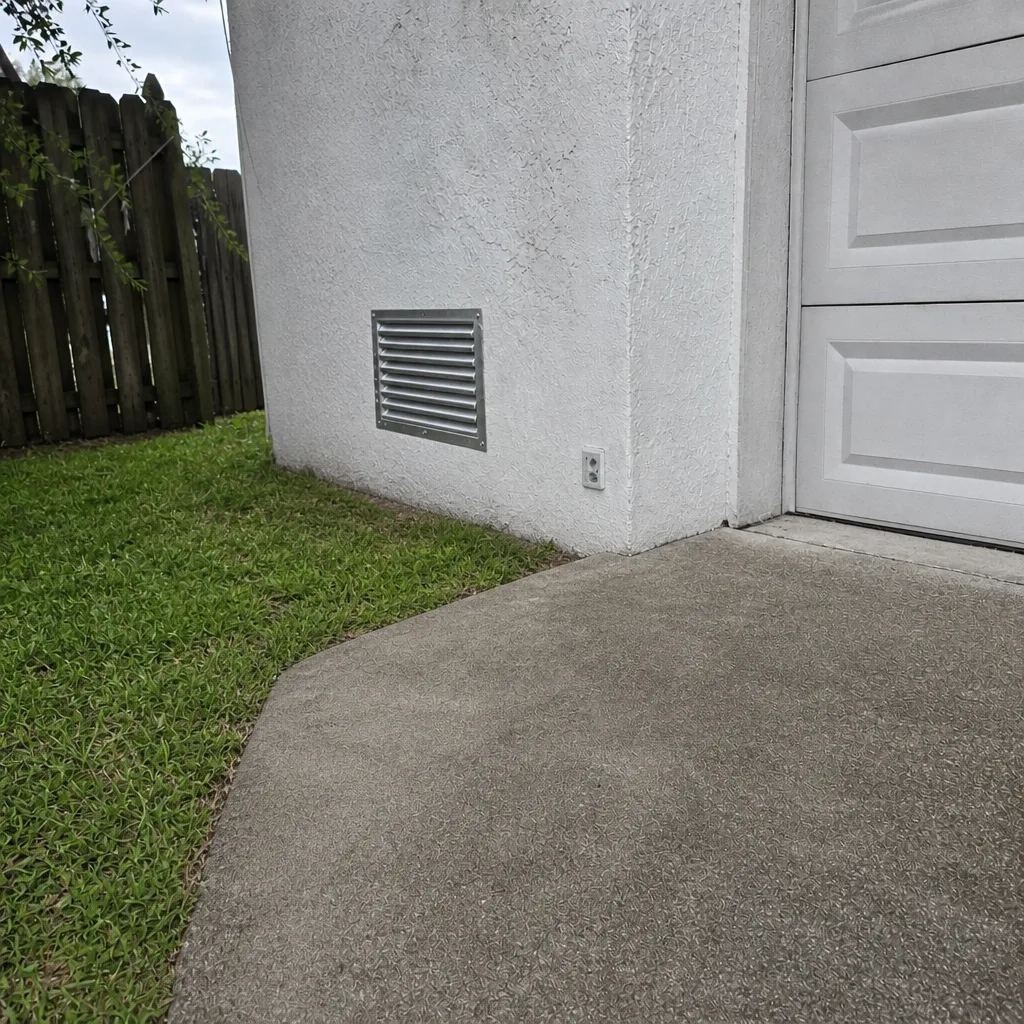 After
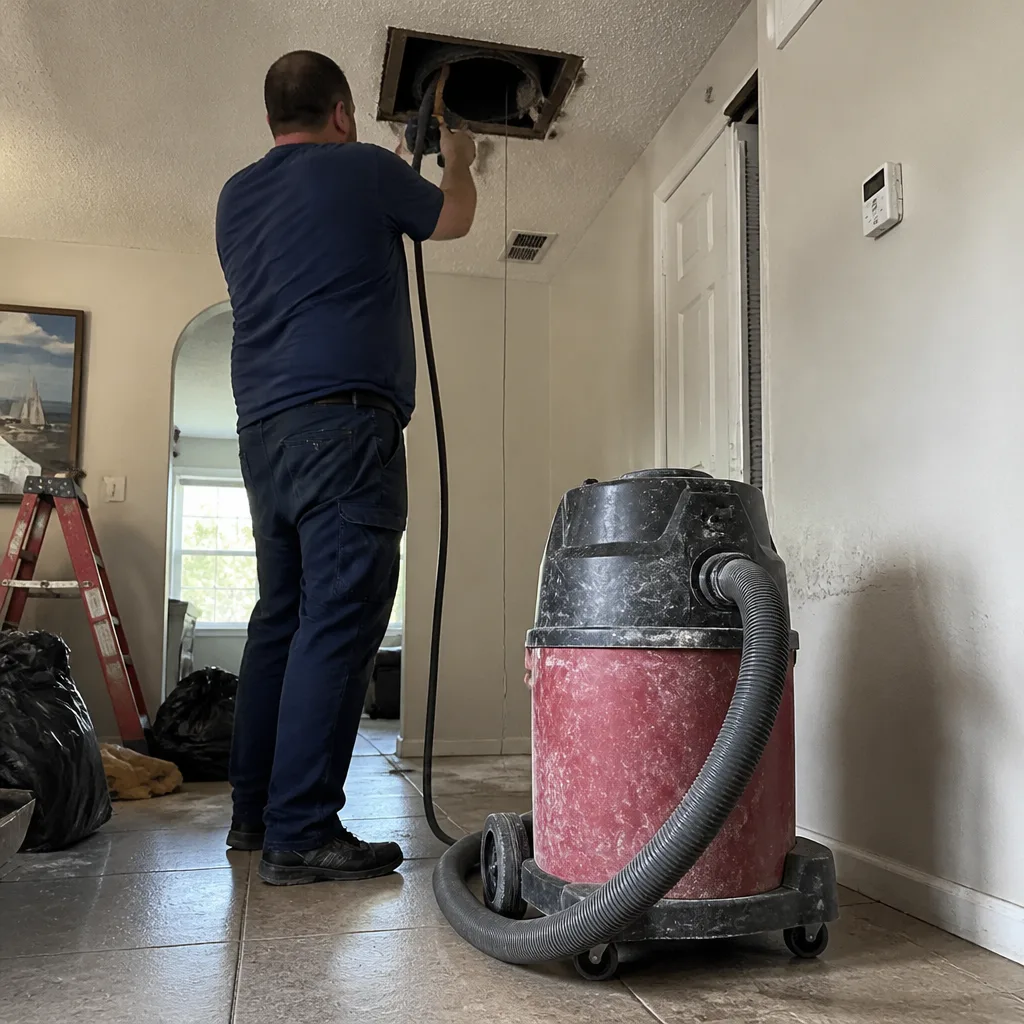 Before
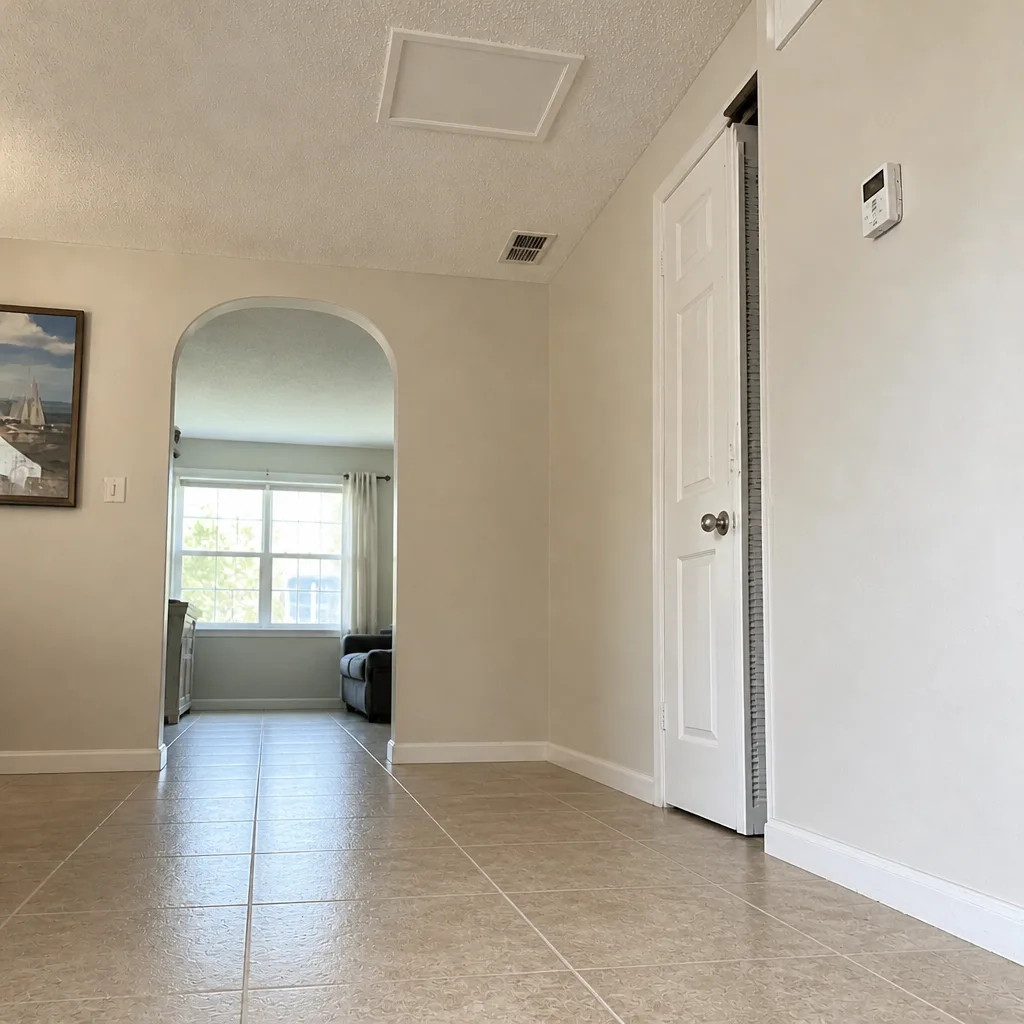 After
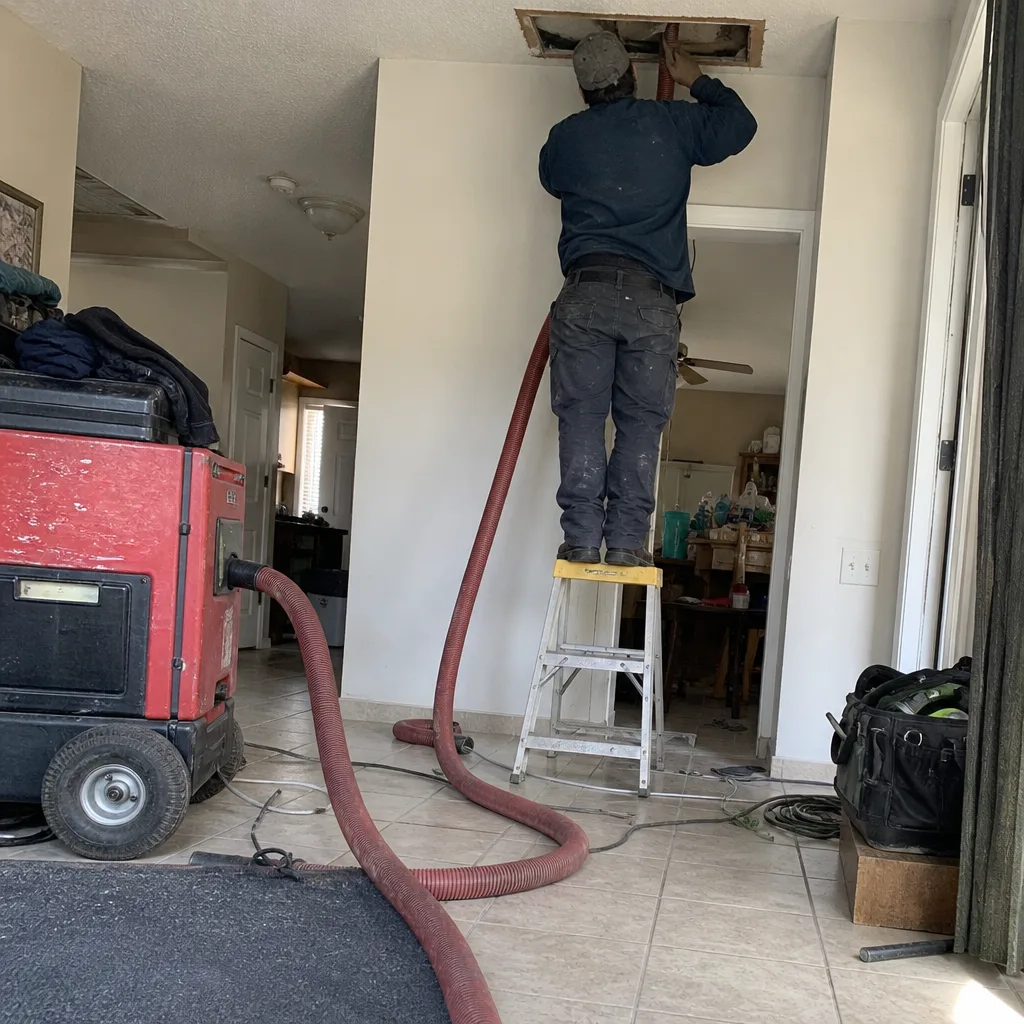 Before
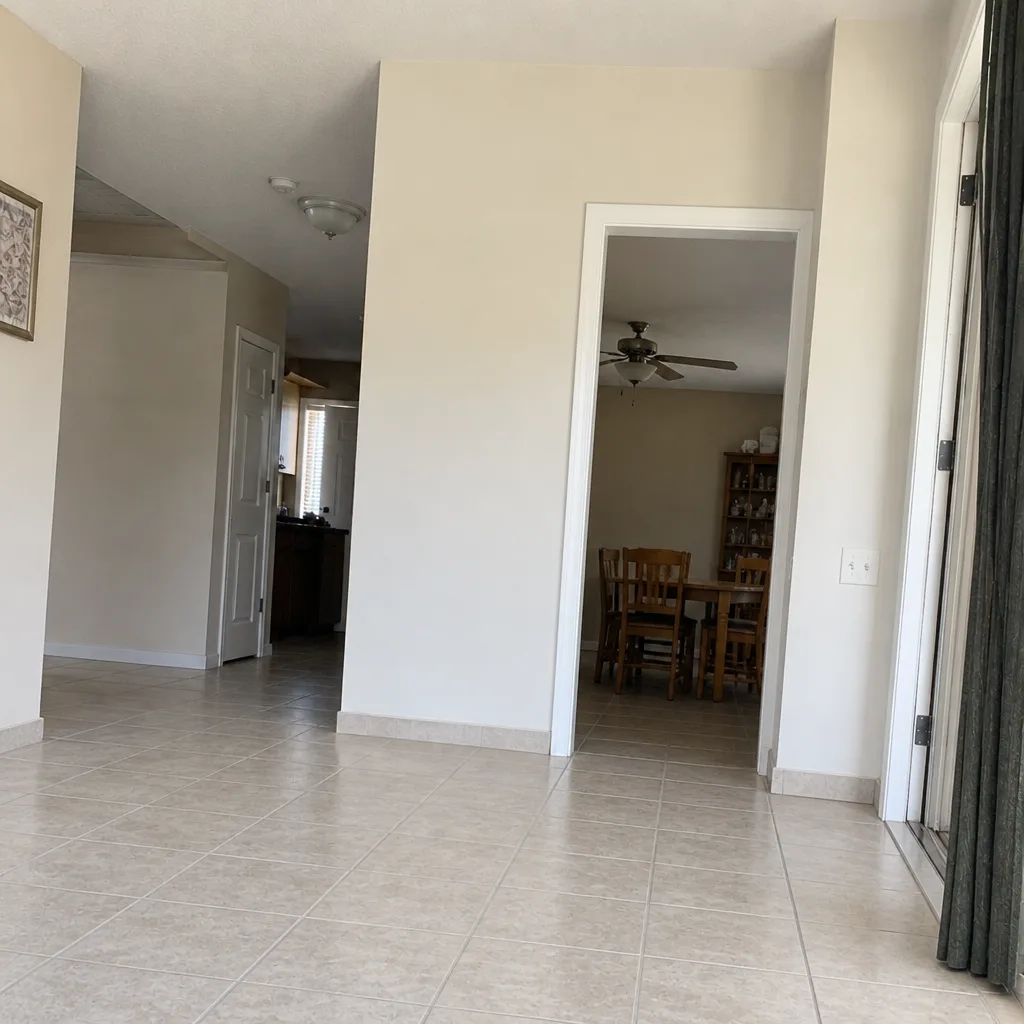 After