
Last updated November 15, 2026
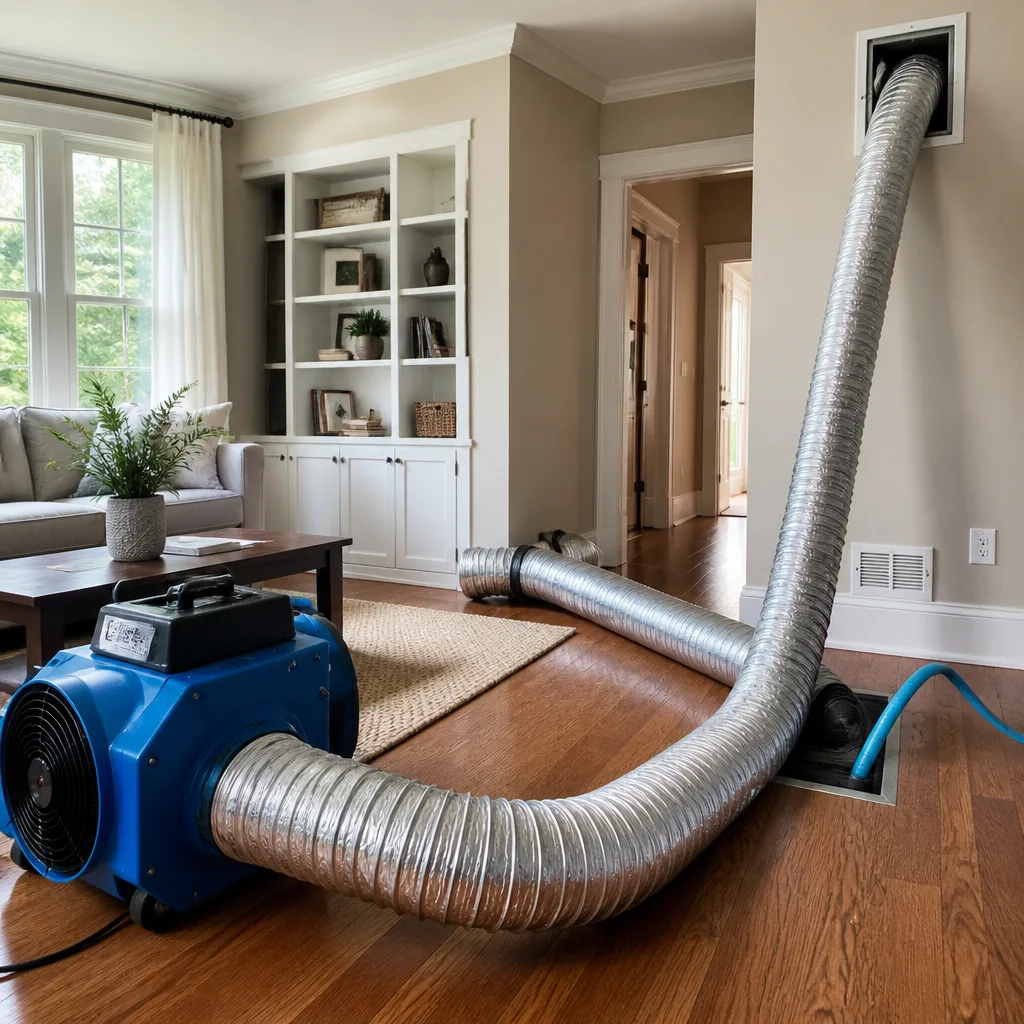 Whole-home duct cleaning
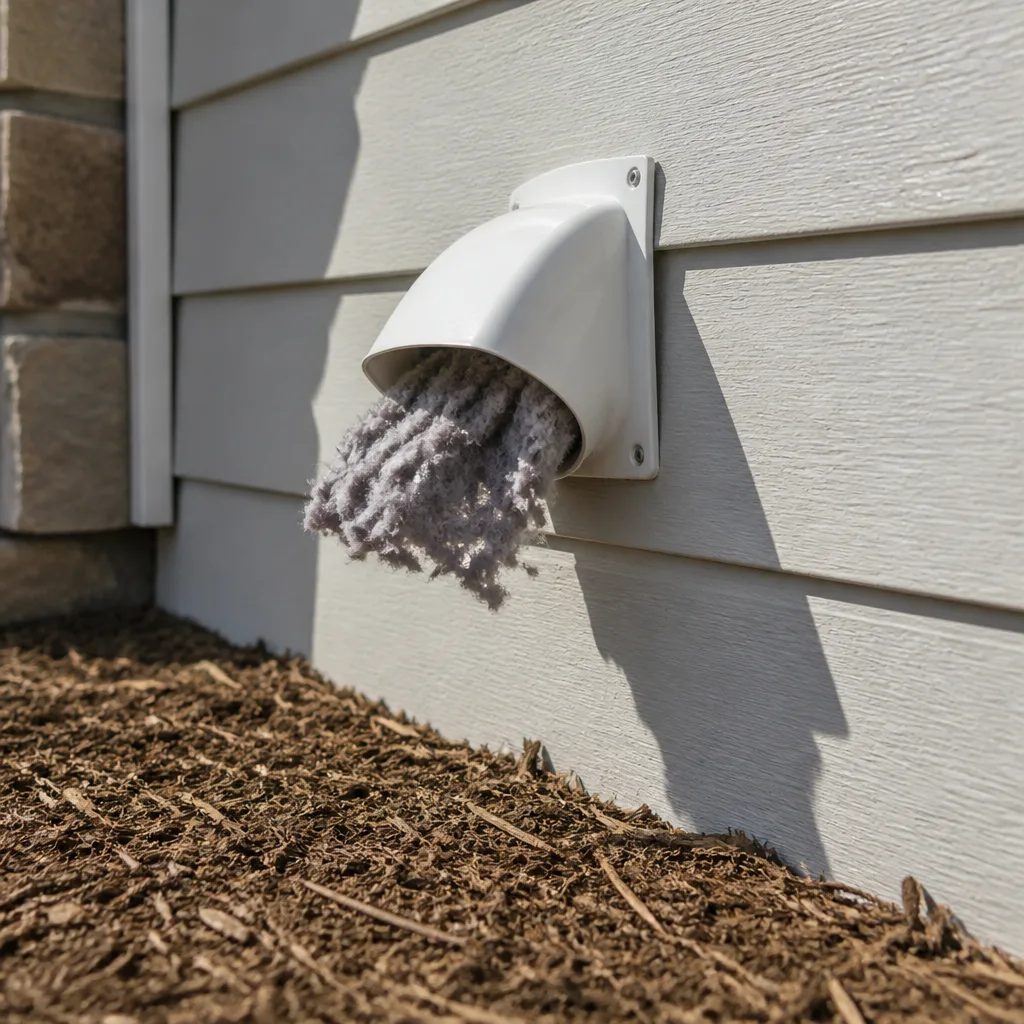 Dryer vent cleaning
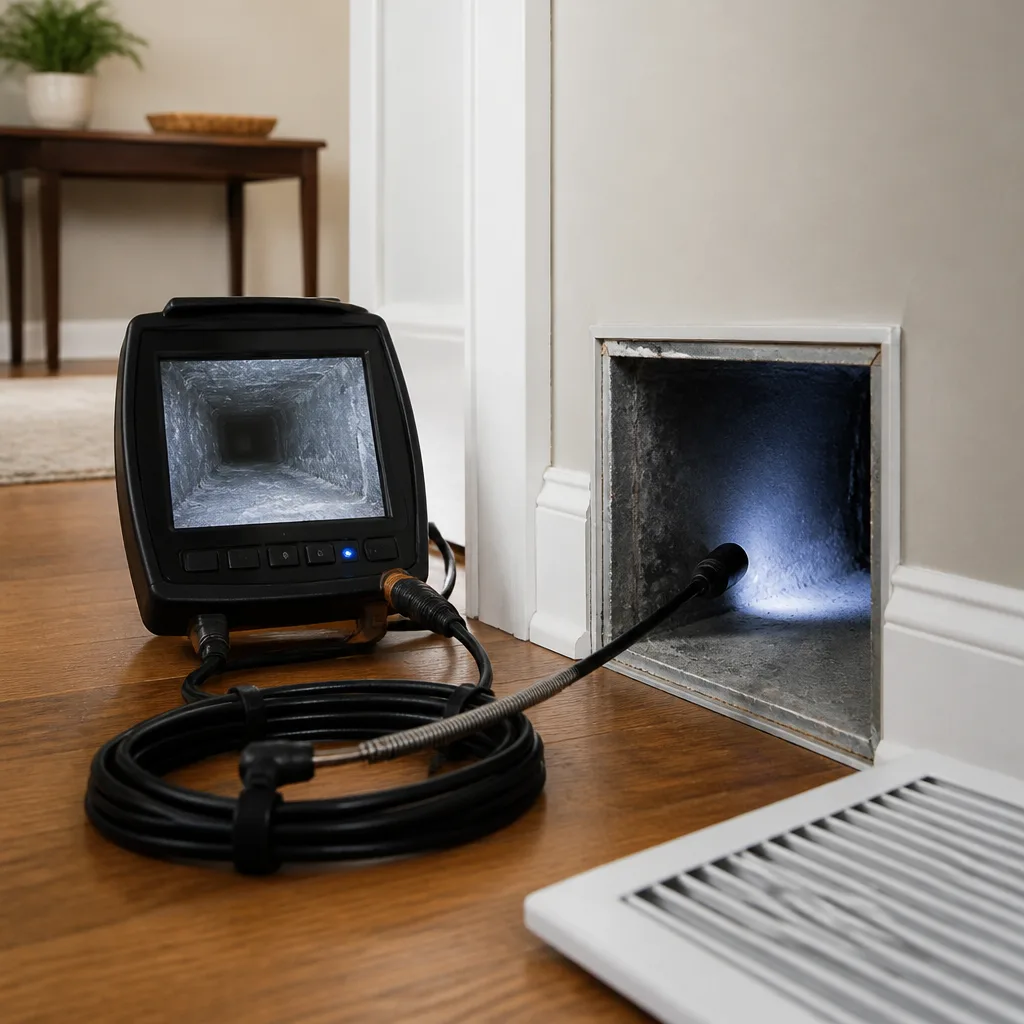 Camera inspection
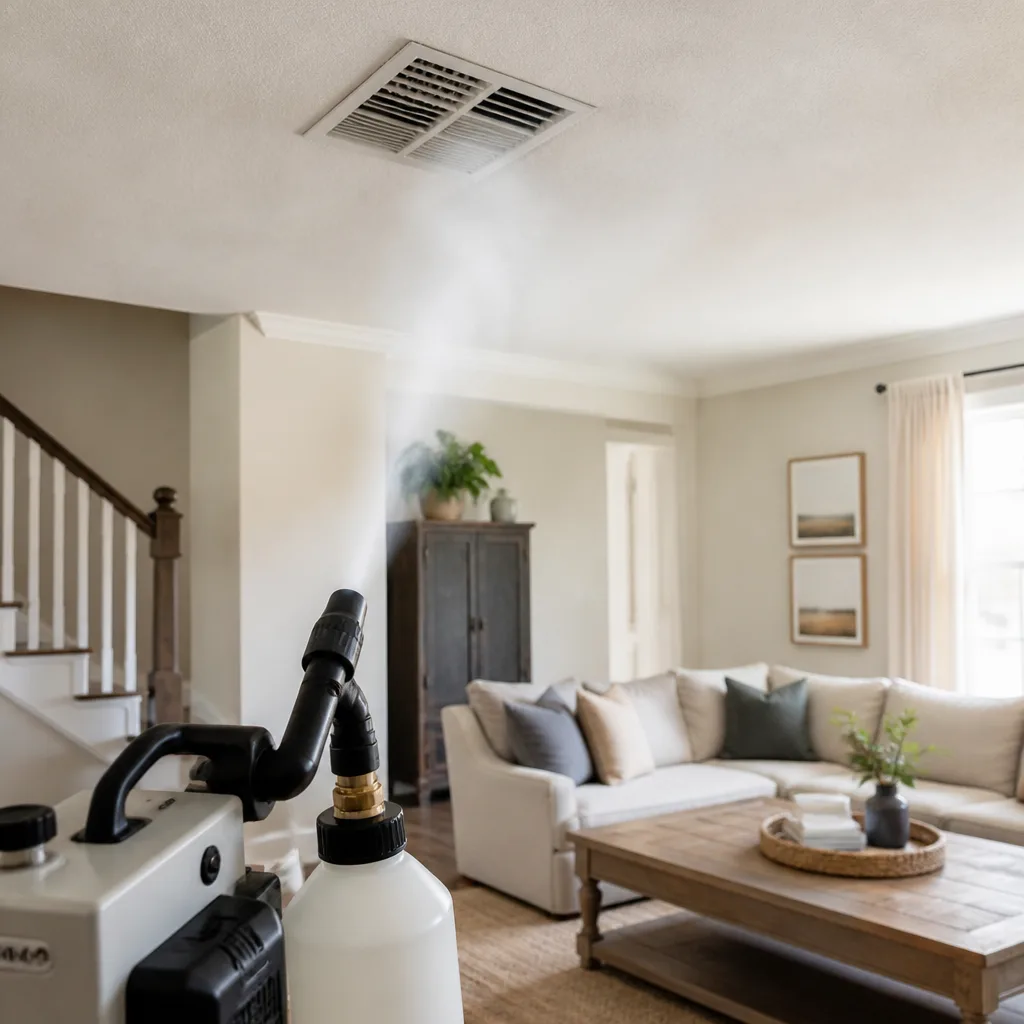 Sanitizing & deodorizing
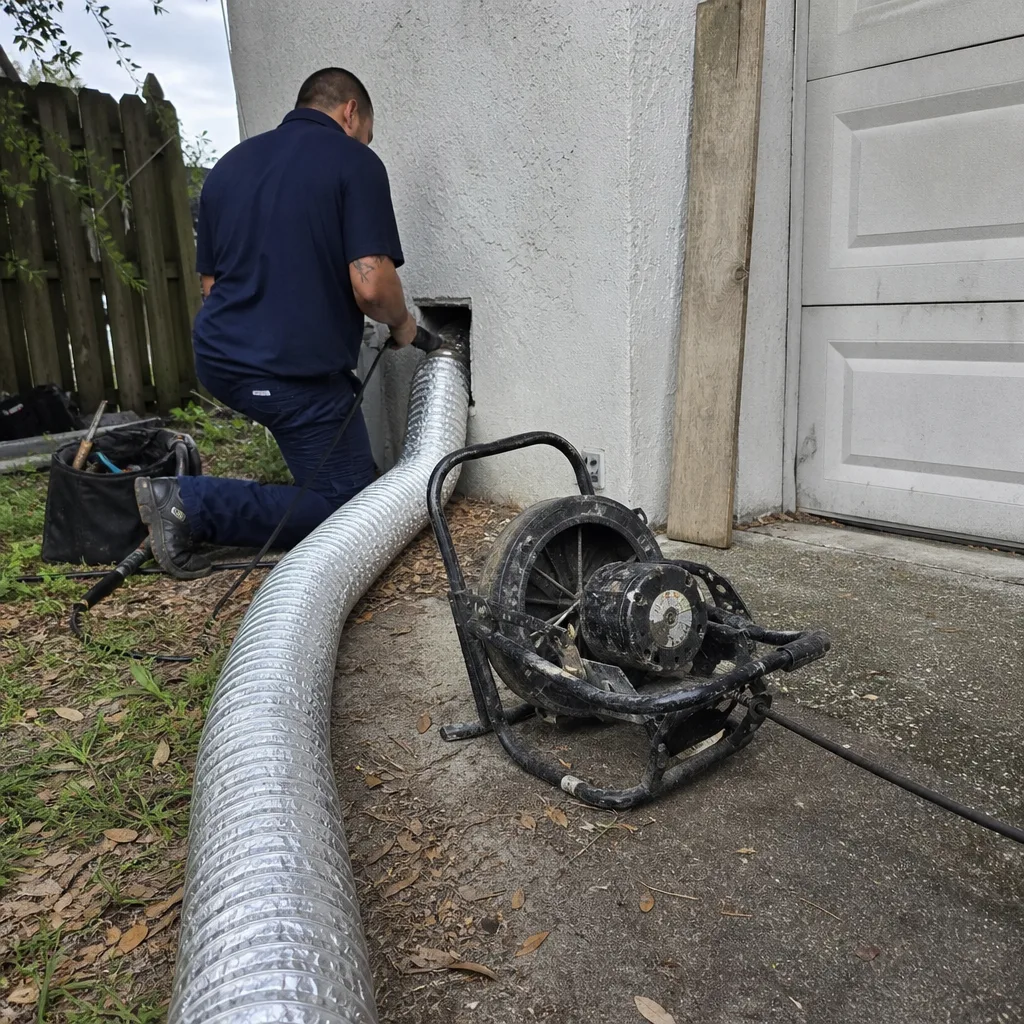
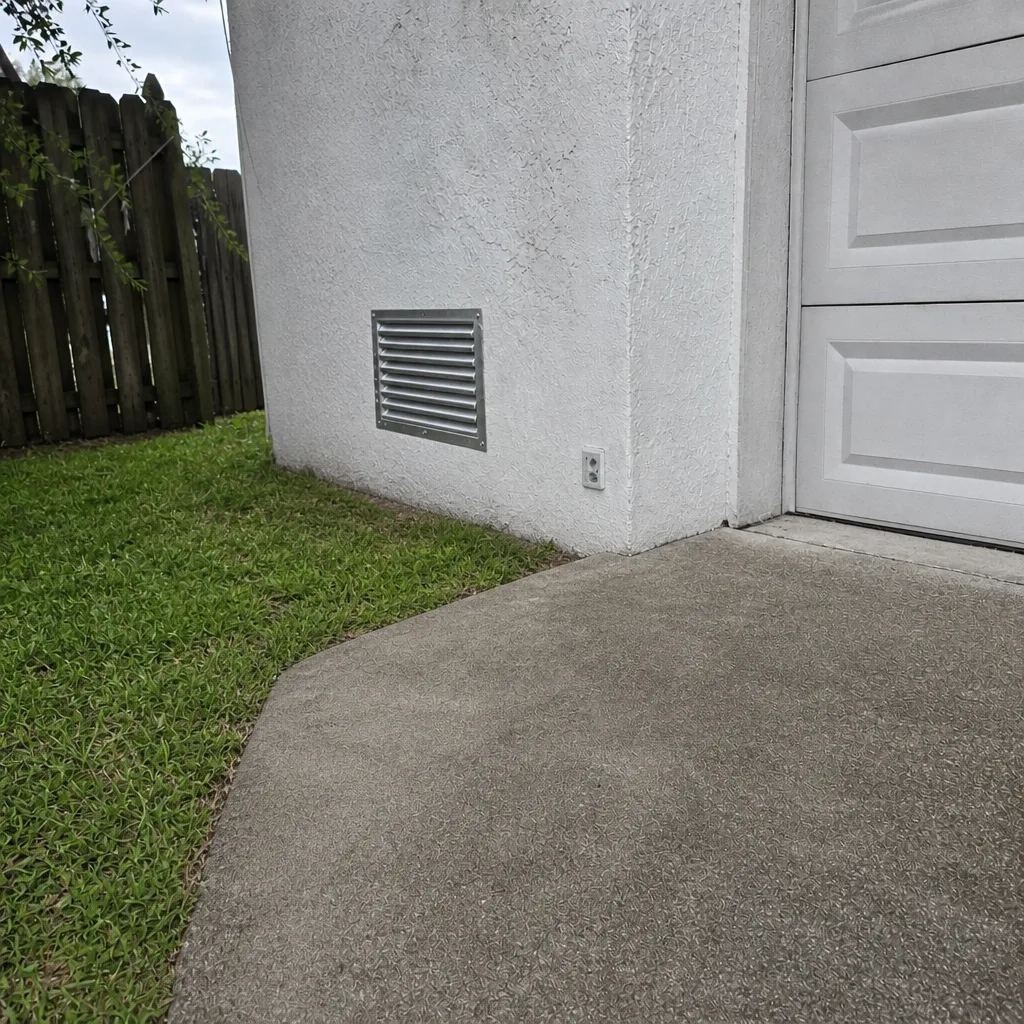
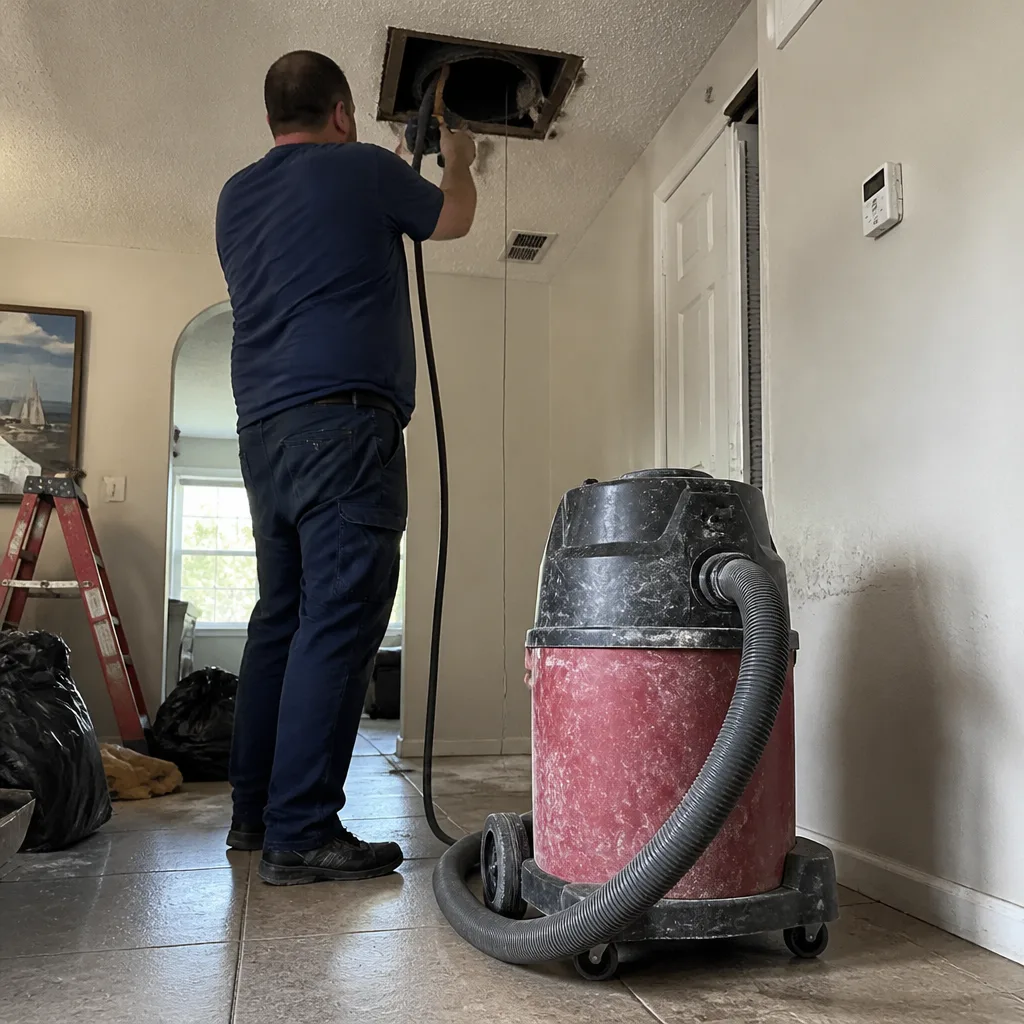
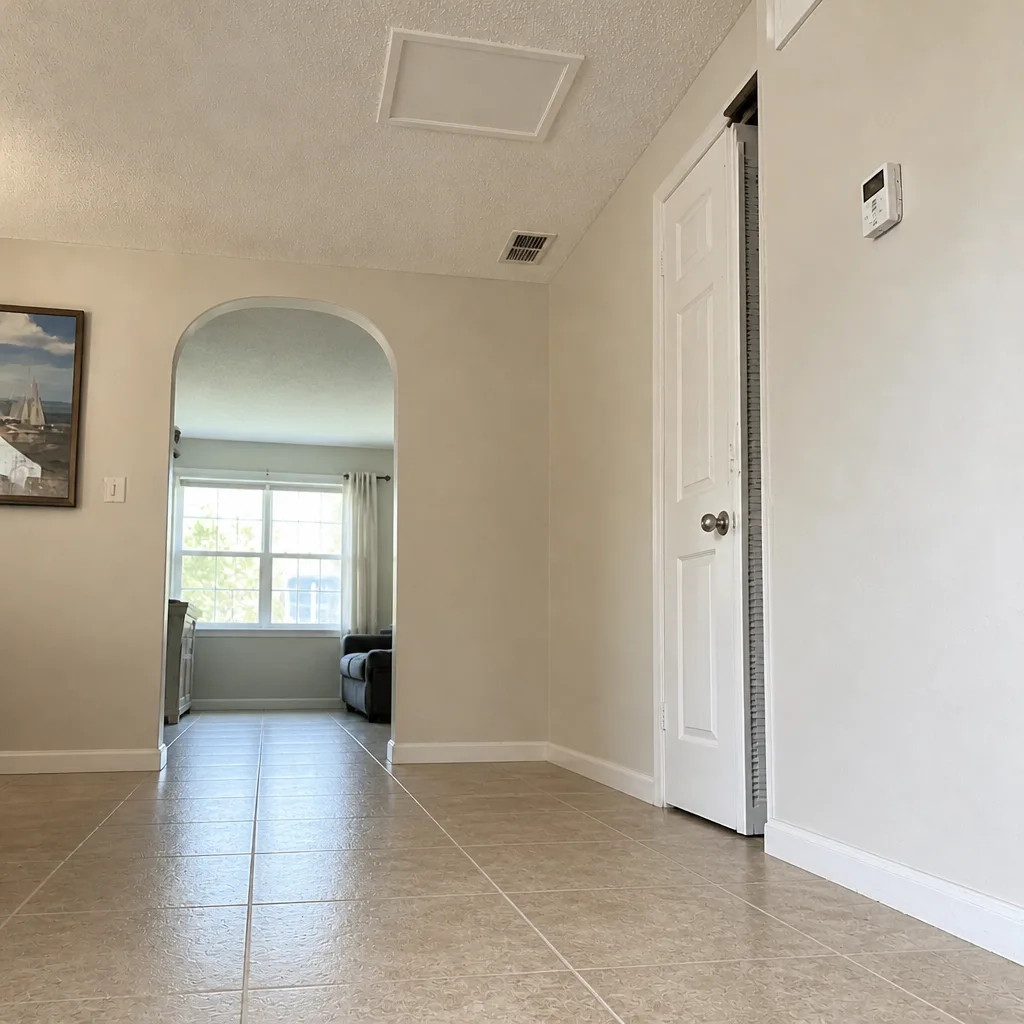
Whole-system duct and dryer vent check with before-and-after photos - you see exactly what came out of your vents
That "$99 whole-house special" is a bait ad - the real number appears once they are in your hallway, or the "clean" is a shop-vac at the register. We photograph the inside of your ducts before and after instead.
Air Duct Cleaning Permits, Codes & Inspections in Palm Bay, FL: What You Need to Know
Nobody pulls a permit to vacuum out a duct system. That part is true and it trips people up. The confusion starts a half hour into a cleaning visit when a technician comes down from the attic and says a run of flex duct has come apart at the collar, or the trunk line is crushed under a joist, and it needs to be replaced instead of cleaned. That repair is mechanical work, and in Florida mechanical work of that scale can cross into permit territory. If it gets done off the books, the paper trail follows the house, not the contractor. This guide draws the line clearly for Palm Bay homeowners: what duct cleaning covers, where cleaning ends and permitted repair begins, how Brevard County handles the threshold, and what to get in writing so a resale or insurance inspection doesn’t turn a small fix into your headache.
Quick Answer
Air duct cleaning alone does not require a permit in Palm Bay or anywhere in Florida. Permits come into play when the visit turns into mechanical work: replacing duct runs, sealing or altering a system, or changing airflow components in ways the Florida Building Code treats as an alteration. Mold remediation tied to the duct system is a separate licensing matter under Florida’s mold-related services rules. Ask for the permit or a written scope before any repair work begins.
Styles & brands we work with
- Whole-home duct cleaning
- Dryer vent cleaning
- Camera inspection
- Sanitizing & deodorizing
Table of Contents
- Where Air Duct Cleaning Ends and Permitted Work Begins
- Florida Building Code Chapter 13 and Duct Repair
- Brevard County Permit Thresholds for Mechanical Work
- Mold, Duct Cleaning, and Florida’s Mold Licensing Rules
- How to Verify a Florida Mechanical Contractor License
- What to Document When Repair Happens During a Cleaning
- What an Inspection Actually Looks At
- Common Mistakes to Avoid
Where Air Duct Cleaning Ends and Permitted Work Begins
The simplest way to think about it: cleaning is maintenance, repair is construction. Cleaning removes accumulated dust, debris, and biological buildup from the interior surfaces of a duct system that’s already built correctly. Repair changes the physical system. Those are treated differently by code, by inspectors, and by insurers.
In our experience, the crossover happens more often than homeowners expect, because you can’t always see what a duct system looks like until you’re inside it. A Palm Bay home with a system that’s been running for years may have duct runs that have separated at joints, sagging flex lines, crushed sections behind a knee wall, or a boot that’s pulled away from a register. Cleaning can’t fix any of those. Cleaning them without fixing them just moves dust through a leaky system.
Here’s the practical breakdown:
- Cleaning only: No permit. This is a maintenance activity. Includes source removal of debris, agitation with rotary brushes, HEPA vacuuming, and putting components back as they were.
- Minor repair of existing duct: Often no permit. Reconnecting a separated joint, re-securing a section of duct that’s come loose, replacing a section of flex duct with like-for-like material in the same location. These are repairs of the existing system, not alterations.
- Replacement of a duct run or a substantial portion of the system: Permit rules depend on the scope. A single section swap is usually treated as a repair. Replacing a whole trunk line, rerouting ducts, or changing the configuration is mechanical alteration.
- Duct sealing or changes to airflow: Permit discussion territory. Sealing itself isn’t usually permit-triggering when it’s mastic and tape on existing joints, but anything that changes how the system is configured or moves air into different parts of the house should be checked against the local code office.
- Mold remediation inside a duct system: This isn’t a permit question, it’s a licensing question. Under Florida law, mold remediation is a licensed activity and requires a licensed mold assessor to establish the scope before any remediation work starts.
For a Palm Bay homeowner, the safe assumption is: if the technician wants to change something structural about how the system is built, ask whether it needs a permit before it happens. If the answer is “no permit needed,” ask for that in writing.
Florida Building Code Chapter 13 and Duct Repair
Florida Building Code Chapter 13 covers energy efficiency, and it’s the chapter that governs how ducts are built, insulated, sealed, and connected. It doesn’t say anything about cleaning a duct. It has plenty to say about how the duct system has to perform after any work that modifies it.
What Chapter 13 cares about, in practical terms:
- Duct insulation and sealing: Ductwork must meet minimum insulation and leakage requirements, which is one reason repairing a duct section isn’t as simple as taping two pieces back together. The repair has to restore both the seal and the insulation value.
- Connection integrity: Joints, collars, boots, and plenums must be sealed and connected properly. A duct that’s been “fixed” with duct tape alone isn’t meeting code, even when it looks fine from ten feet away.
- Airflow and pressure: Any alteration to a duct system has to keep the system within its design parameters. Adding a run, blocking a run, or resizing a duct without accounting for the HVAC system’s design can create pressure problems that push efficiency down and dust infiltration up.
- Scope of permitting: Chapter 13 itself doesn’t set the local permit threshold. That’s handled by the local building official and the Florida Building Code’s administrative provisions. This is exactly where “cleaning-only” and “repair-plus-alteration” get treated differently in Brevard County.
What this means in practice: when a Palm Bay duct repair is performed, it isn’t just about making it look better. The repair has to restore insulation, restore seal, and restore airflow – matching the original system’s design. A short piece of flex duct and a couple of zip ties is not a code-compliant repair. Neither is a mastic patch that leaves too much air leaking at the joint. If a contractor can’t explain how the repair restores insulation and airflow, that’s a signal the repair might not be done correctly, permit or no permit.
We work with professional-grade equipment specifically because duct repairs done right involve more than the surface fix. A Rotobrush rotary brush system or a Nikro HEPA vacuum gets the duct back to its original condition. Repair happens after that. The repair scope is determined by what the cleaning actually revealed. That’s how a cleaning visit turns into a legitimate repair conversation, and it’s also how a contractor avoids turning a cleaning call into an unpermitted remodel.
Brevard County Permit Thresholds for Mechanical Work
Brevard County building department permit rules are set at the local level, drawing from the Florida Building Code’s administrative provisions and the mechanical code. In practical terms for a Palm Bay homeowner, here’s how the threshold typically falls:
- Cleaning, no repair: No permit. No inspection. Cleaning the interior of existing ductwork with the system componentry left as-is.
- Like-for-like repair of an existing duct section: Usually no separate mechanical permit, because it’s repairing an existing component without altering the system’s design. Confirm with the building department if the repair is more than a small section.
- Replacement of duct runs or substantial portions of the system: Commonly requires a mechanical permit. The scope of what’s being replaced and whether it changes the system’s design or airflow moves this from repair into alteration.
- Rerouting or redesign of a duct system: Requires a permit. Any change to the layout, the number of runs, or the flow of conditioned air.
- Mold remediation inside ductwork: Handled through mold-related services licensing, not a building permit. A licensed mold assessor establishes the scope first.
Two things to keep in mind about Brevard County specifically. First, the county’s building department has its own intake process and documentation requirements, so what “requires a permit” actually means in paperwork terms is worth a direct call rather than an assumption. Second, the answer can depend on the scope of work described on the application, which is why the scope needs to be written down before the work happens, not after.
A useful rule of thumb for Palm Bay homeowners: if the repair changes what the system looks like from inside the attic, the wall cavity, or the crawlspace, it’s worth a phone call to the building department. If the repair puts a component back the way it was, that’s usually a straightforward repair. When the line is unclear, ask before work starts – not after. If you’re scheduling duck cleaning work, do that call while you’re planning, not after a technician is already there and pressing you for a decision.
Mold, Duct Cleaning, and Florida’s Mold Licensing Rules
Here’s the part Palm Bay homeowners get surprised by: mold inside a duct system is not a duct cleaning problem. It’s a licensed mold remediation problem, and Florida regulates it separately from mechanical contracting.
Florida’s mold-related services law requires that anyone assessing or remediating mold for compensation be licensed. That means:
- Assessment: Identifying whether there’s a mold problem, how extensive it is, and what the scope of remediation should be. This is a licensed mold assessor’s job.
- Remediation: The actual cleanup work following an assessor’s protocol. This is a licensed mold remediator’s job.
- Conflict of interest: The assessor and the remediator cannot be the same entity on the same project, under Florida law. That’s a deliberate design to prevent a company from inventing a mold problem to sell you a remediation.
A duct cleaning company that finds “mold in your ducts” and offers to remediate it on the spot is telling you something important: either they’re licensed to remediate mold, or they’re working outside the law. Ask which one it is. If it’s the first, you should still be seeing a mold assessment from a separate licensed assessor. If it’s the second, the duct cleaning company shouldn’t be doing that remediation, and the situation is worth a hard look before any paperwork gets signed.
What cleaning does do, in a legitimate sense, is remove the conditions that allow mold to grow. A duct system that’s full of dust, with humidity control issues in the house, has both food and moisture for mold. Cleaning with professional equipment – the level of Nikro HEPA filtration and Abatement Technologies negative-air containment that restoration contractors use – removes the debris and controls the airflow during cleaning. That reduces the likelihood of the conditions coming back, but it isn’t a remediation and shouldn’t be sold as one.
Our approach is cleaner air starts at the source. Remove the dust, restore the airflow, correct the duct defects. If the conditions are still in place – a leaky return, humidity problems, a poorly sealed system – they’ll come back into the ducts no matter how good the cleaning was. That’s why air duct cleaning and repair belong in the same conversation.
How to Verify a Florida Mechanical Contractor License
The single most useful step a Palm Bay homeowner can take before hiring duct work isn’t a Google review check. It’s verifying the contractor’s license with the state. Florida separates mechanical contractor licensing from general business registration, and the difference is real.
Here’s the short version of what to check:
- State license lookup: The Florida Department of Business and Professional Regulation (DBPR) maintains a public license lookup. Search the contractor’s business name and check the license type and status – Class A, Class B, or Class C mechanical contractor, or a specialty license covering the specific scope.
- Confirm the scope matches the work: A license that covers duct cleaning may not cover duct repair or alteration work. Ask which license the company holds and what it authorizes.
- General business registration: A company that’s registered with the state as a business entity is not the same as a licensed contractor. Business registration is paperwork. Licensing is a scope-of-work authorization. If a duct cleaner can produce a business registration but no contractor license, ask specifically whether their scope covers repair work.
- Insurance: Ask for a certificate of insurance, and read it. General liability and workers’ compensation are different coverage lines, and both matter when someone is in your attic doing work.
- Scope in writing: A licensed contractor will put the scope in writing before starting. A written scope is the document that protects you if the work later gets questioned.
We hold up our end of that. Our technicians have up to 9 years of experience, and we work with the equipment brands that the trade recognizes – Rotobrush for rotary contact cleaning, Nikro for HEPA filtration, Abatement Technologies for negative-air containment, and Honeywell and Aprilaire for the IAQ side of the system. Ask to see our equipment. We’ll show it, because that’s the honest test of whether a duct cleaning company is equipped to do the work or is running a shop vac with a brand name on the side.
What we do is cleaning and repair – air duct repair, in scope, when the work calls for it. What we don’t do is mold remediation, HVAC installation, or anything else that requires a license we don’t hold. When a job crosses into that territory, we say so and we point you to the right specialist. That’s not a weakness, it’s the correct answer for a homeowner who wants to be able to trust the paper trail.
What to Document When Repair Happens During a Cleaning
Here’s the scenario worth preparing for. You schedule a cleaning. The technician finishes, comes down, and says the system had a separated duct section which they repaired. Ten minutes later they hand you a receipt. That’s fine – unless the repair crosses into permit-required work, in which case you now own a house with unpermitted mechanical work on the record, and the next inspector will find it.
To protect yourself, document these five things any time adjacent work happens during a cleaning visit:
- A written scope, in plain language, before any repair work starts. Not a verbal description. “Replace 12 feet of flex duct between the plenum and the second-floor supply trunk” beats “fixed duct.”
- A statement of whether the repair is permitted. If it’s permit-required, the permit number should be on your paperwork. If it isn’t, that should be stated in writing.
- Before-and-after photos of the actual duct system. Not stock images – your system, at the section that got repaired. This is the single best defense at resale and at inspection.
- Material documentation. What insulation value and what material the new duct is. If Chapter 13 compliance matters (and it does at inspection), the paperwork needs to show the repair restored insulation and seal.
- Names and license information of who did the work. Not just the company that sent the van – the licensed contractor for the mechanical scope.
At Duct Cleaning Palm Bay, we handle this by giving you before-and-after photos of your own ducts as standard, along with a written description of what we cleaned and what we repaired. We also work with a single flat price per system, agreed before work begins, so there’s no surprise line item for a repair you didn’t authorize. If a repair comes up that we believe crosses into permit territory, we tell you before starting it, not after.
What an Inspection Actually Looks At
When an inspector looks at a duct system – whether it’s a pre-sale inspection, an insurance inspection, or a county permit inspection – they’re looking at whether the system as built matches the system on record, and whether the components meet code.
What typically gets checked:
- Duct material and insulation: Matches what’s allowed for the application. Flex duct isn’t acceptable in every location, and the insulation value has to meet the code minimum for the space.
- Sealing: Joints, collars, boots, and plenums. Mastic and proper tape, not duct tape alone.
- Support: Duct hangers, sag distance, and support spacing on flex duct (sagging flex is one of the most common system problems in Florida attics).
- Connection to registers and boots: Aligned and sealed, not “close enough.”
- Airflow: Whether the system was designed correctly, and whether the current configuration still performs to design intent. Pressure tests and airflow measurement come up when there’s a discrepancy on record.
- Permit documentation: Whether the work done matches the permitted scope. Anything not on the paperwork is treated as unpermitted work, regardless of whether it was done well.
In our experience, duct cleaning itself rarely shows up as an inspection issue – there’s no code requirement to have a duct system cleaned, and no inspection is triggered by a cleaning visit. What does show up is the repair that happened during a cleaning visit without a permit, or a repair done at a quality level that fails the sealing or insulation test. That’s the case for treating dryer vent cleaning and duct cleaning as scheduled maintenance, and treating repair as a separate, documented scope with its own conversation.
Common Mistakes to Avoid
- Assuming “no permit needed for cleaning” applies to everything. Cleaning is maintenance. Repair often isn’t. Ask which category the work falls into before it starts, especially in a Palm Bay home where the attic access is tight and the repair scope is easy to underestimate.
- Letting a repair happen during a cleaning without a written scope. A verbal “we’ll fix that while we’re up there” is not a scope. Get it in writing, with a description of what’s being replaced and why.
- Confusing a business registration with a contractor license. A registered business is not a licensed mechanical contractor. Verify the license independently with the state DBPR before hiring for any repair work.
- Accepting a mold remediation offer from a duct cleaner without a separate mold assessment. Florida requires the assessor and the remediator to be separate entities on the same project. If the same company offered both, ask about licensing.
- Not getting before-and-after photos of the actual duct system. Photos of your system – not stock images – are the documentation that protects you at resale and at inspection.
- Assuming duct tape counts as a repair. It doesn’t. Chapter 13 requires sealed, insulated, code-compliant repairs. Duct tape has no place in a permanent duct repair.
- Scheduling a cleaning without asking about repair capabilities. A contractor who can only clean, and not repair, will clean around a defective system and leave the defect in place. We clean, and we repair, because those two parts of Palm Bay home duct work belong in the same conversation.
See the difference
 Before
 After
 Before
 After
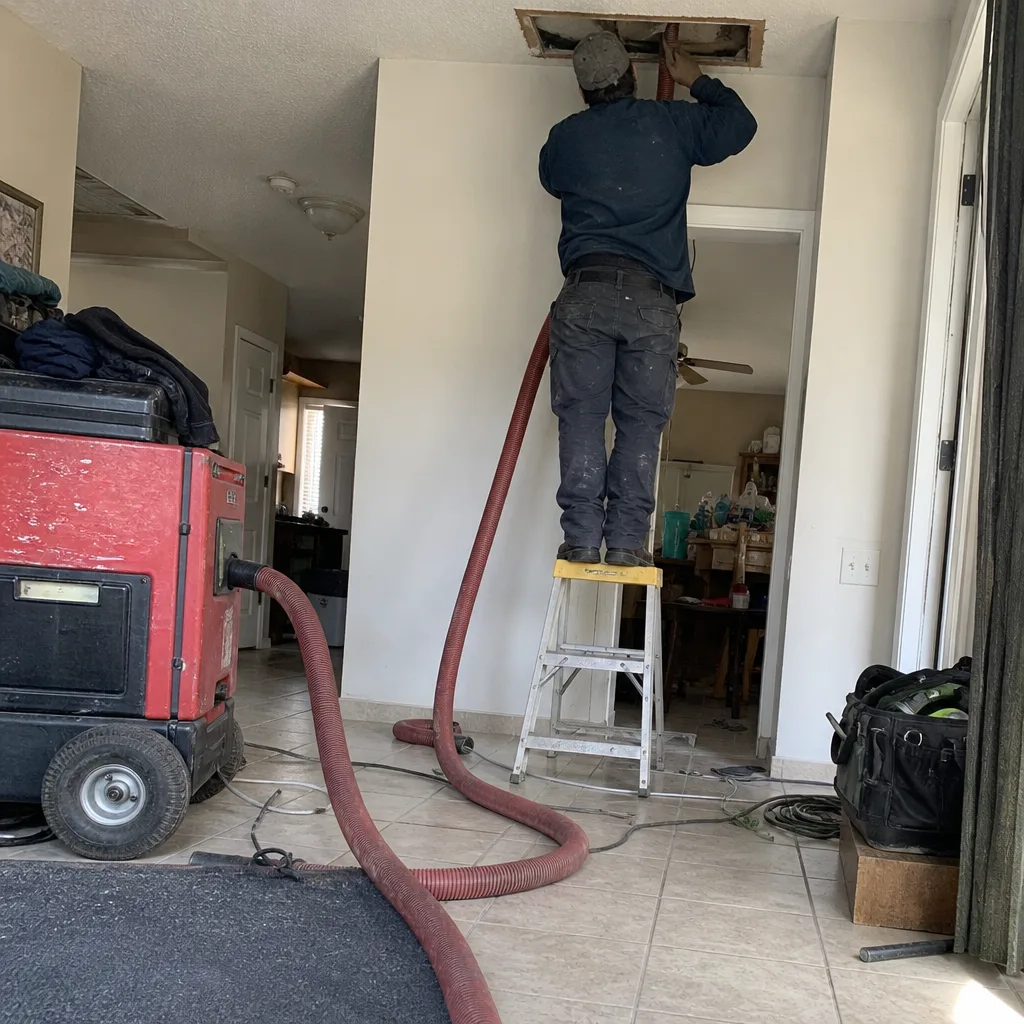 Before
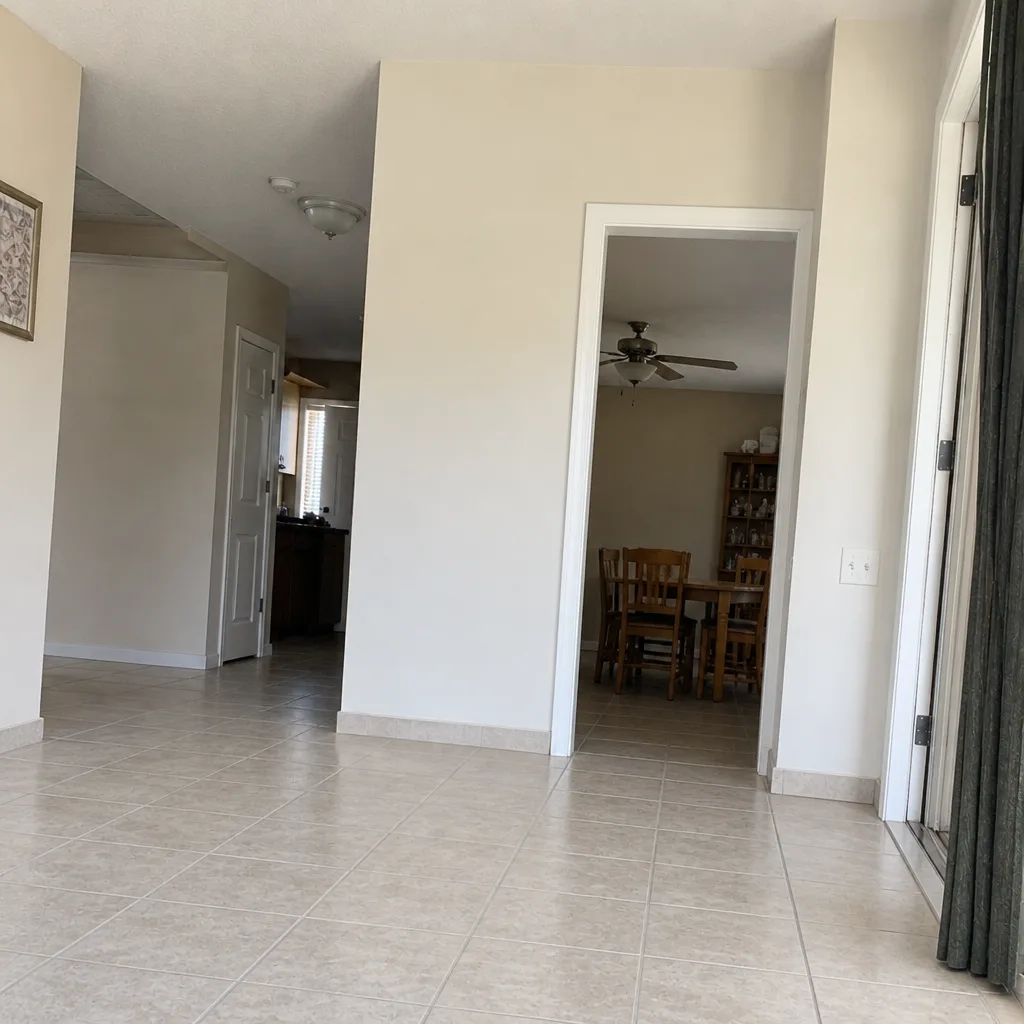 After
When to Call a Professional
Some of this is a live call. If you’re buying or selling a Palm Bay home and the inspection report has a note about the duct system, that’s a call. If a technician who just finished a cleaning said the system had separated duct sections or crushed flex that needed replacement, that’s a call. If you’re seeing dust buildup on registers within weeks of a cleaning, or airflow that varies room to room, or humidity that won’t get under control, that’s a call too – because those are symptoms of a duct problem, not a cleaning problem, and duct defects left in place only get worse.
Duct Cleaning Palm Bay offers free estimates in Palm Bay. Call (844) 834-5154. We answer 24/7. Fast dispatch from 7am to 7pm, Sunday through Friday. We’ll look at the system, tell you what’s cleaning and what’s repair, and give you a written scope before any work starts.
Frequently Asked Questions
No. Cleaning the interior of an existing duct system is maintenance, not construction, and Florida doesn’t require a permit for it. Permits come Into play when the work turns into mechanical alteration: replacing duct runs, rerouting, or changing the system’s airflow design. Call (844) 834-5154 for an exact quote on your scope – estimates are free.
Like-for-like repair of an existing duct section is usually treated as a repair, no permit required. Replacing whole runs, changing duct layout, rerouting, or altering airflow design commonly requires a mechanical permit. The precise threshold is set by the local building official, so a quick call to the Brevard County building department with your scope in hand is worth more than any rule of thumb. Call (844) 834-5154 if you want us to walk your scope with you first.
Only if they’re separately licensed to do mold remediation, and only after a licensed mold assessor – separate from the remediator – establishes the scope. Florida requires that separation of roles. A duct cleaning company that offers to assess and fix mold in one visit is telling you something important about how they operate. Call (844) 834-5154 if you want to walk through what the right next step looks like.
Check the Florida Department of Business and Professional Regulation license lookup, confirm the license type covers the scope of work being done, and ask for a certificate of insurance. A business registration is not a contractor license. If a duct cleaner can’t produce either, don’t hand over the repair. Call (844) 834-5154 and we’ll walk you through what your licensed scope should look like.
A written scope before the work starts, a statement of whether the repair requires a permit, before-and-after photos of your actual duct system, and documentation of the materials used. All four in your hands when the technician leaves. Call (844) 834-5154 for an exact quote – estimates are free and the written scope is part of the estimate.
Often yes. Inspectors check whether the duct system as built matches what’s on record, and anything not on the permit paperwork is treated as unpermitted work, regardless of whether it was done well. Getting documentation right at the time of the repair is much simpler than fixing the paper trail later. Call (844) 834-5154 for an exact quote on the repair scope.
The Bottom Line
Cleaning a duct system doesn’t need a permit. Repairing, replacing, or altering one may, and the difference isn’t academic when a home changes hands or an insurance inspector comes through. The safe routine for a Palm Bay homeowner is: get the scope in writing, ask whether the repair is permit-required, verify the contractor’s Florida mechanical license independently, and get before-and-after photos of your actual duct system in your hands before the technician leaves. Those four steps protect you at resale, at inspection, and at the moment when a cleaning visit turns into a repair conversation.
Duct Cleaning Palm Bay handles cleaning and duct repair with professional-grade equipment from brands the trade recognizes – Rotobrush, Nikro, Abatement Technologies, Honeywell, Aprilaire – and we tell you upfront which part of the work is which. Our technicians have up to 9 years of experience, we work with a single flat price per system agreed before work begins, and we give you before-and-after photos of your own ducts on every job. Ask to see our equipment, and ask us the license question directly. We’ll answer it. For a free estimate on duct cleaning in Palm Bay, call (844) 834-5154. We answer 24/7. Fast dispatch from 7am to 7pm, Sunday through Friday.
Written by the team at Duct Cleaning Palm Bay.