
Last updated November 15, 2026
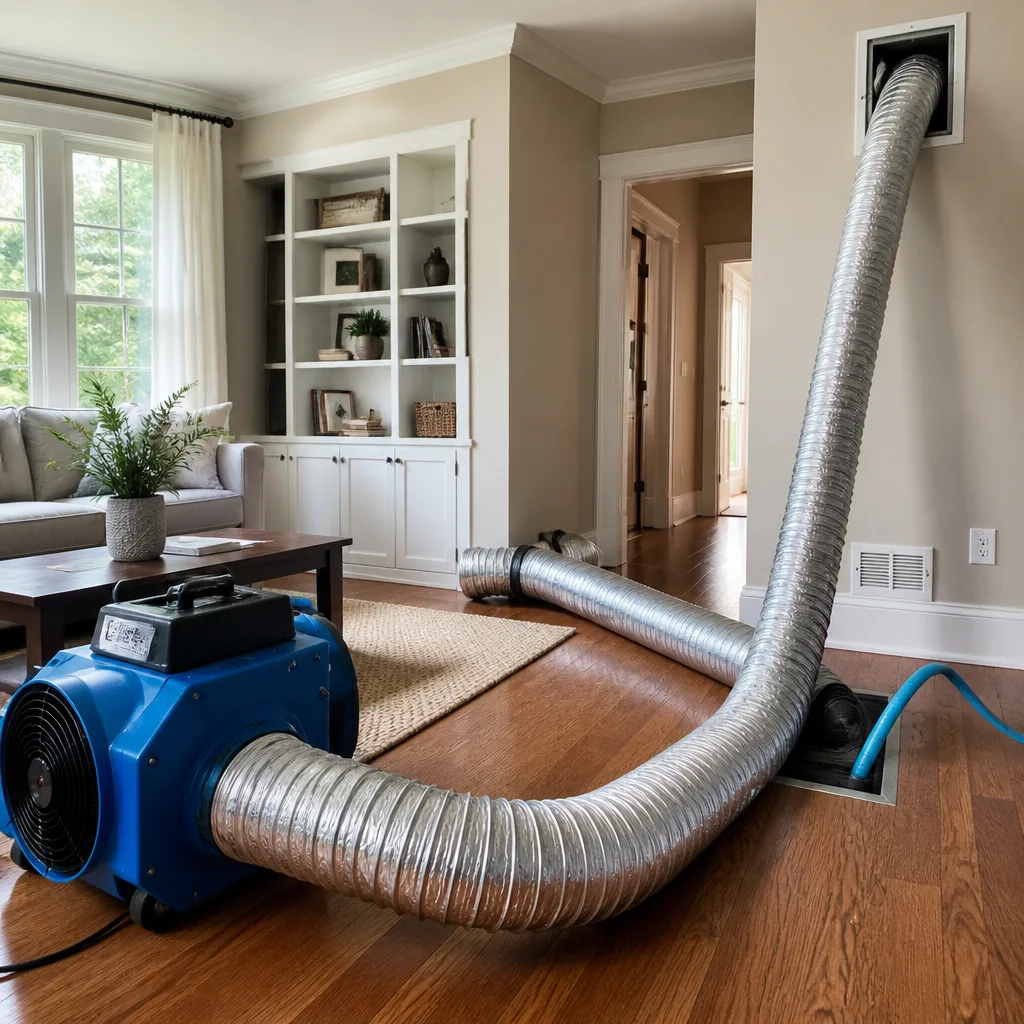 Whole-home duct cleaning
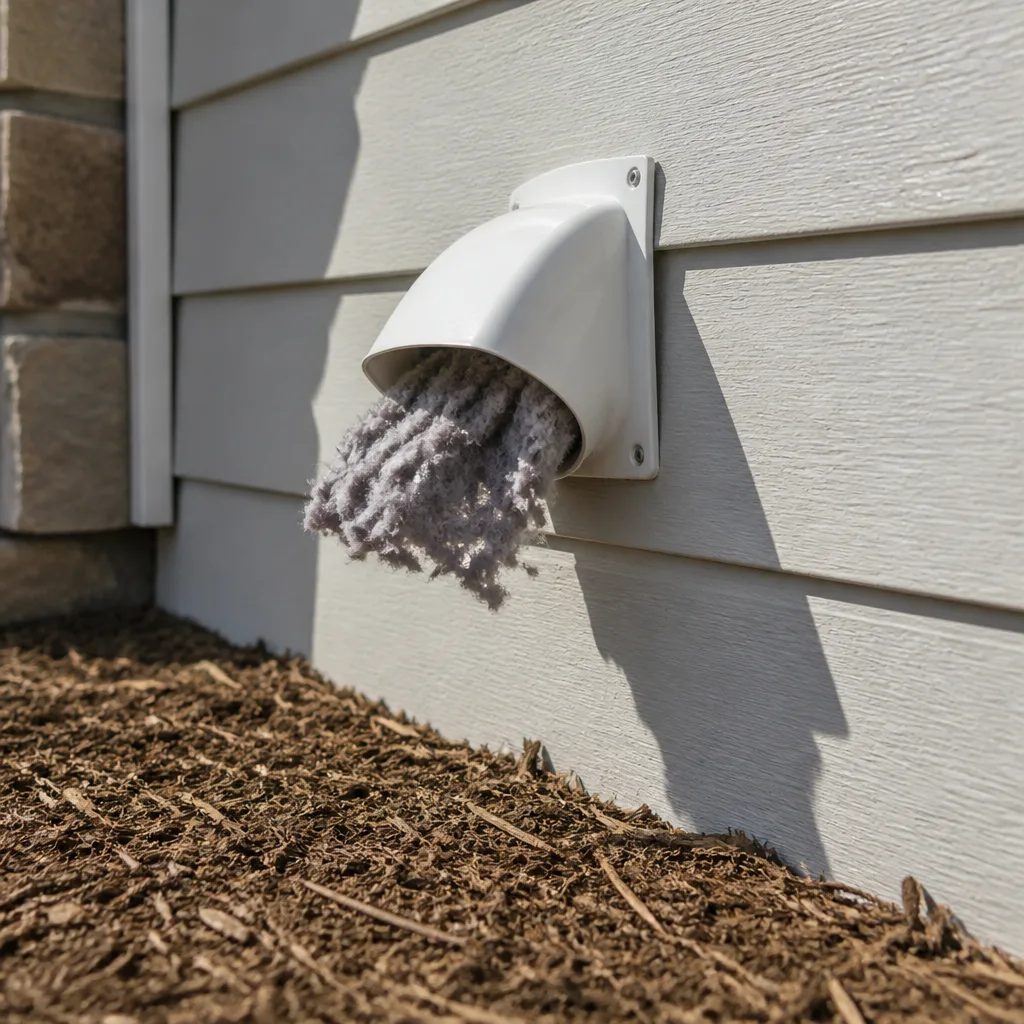 Dryer vent cleaning
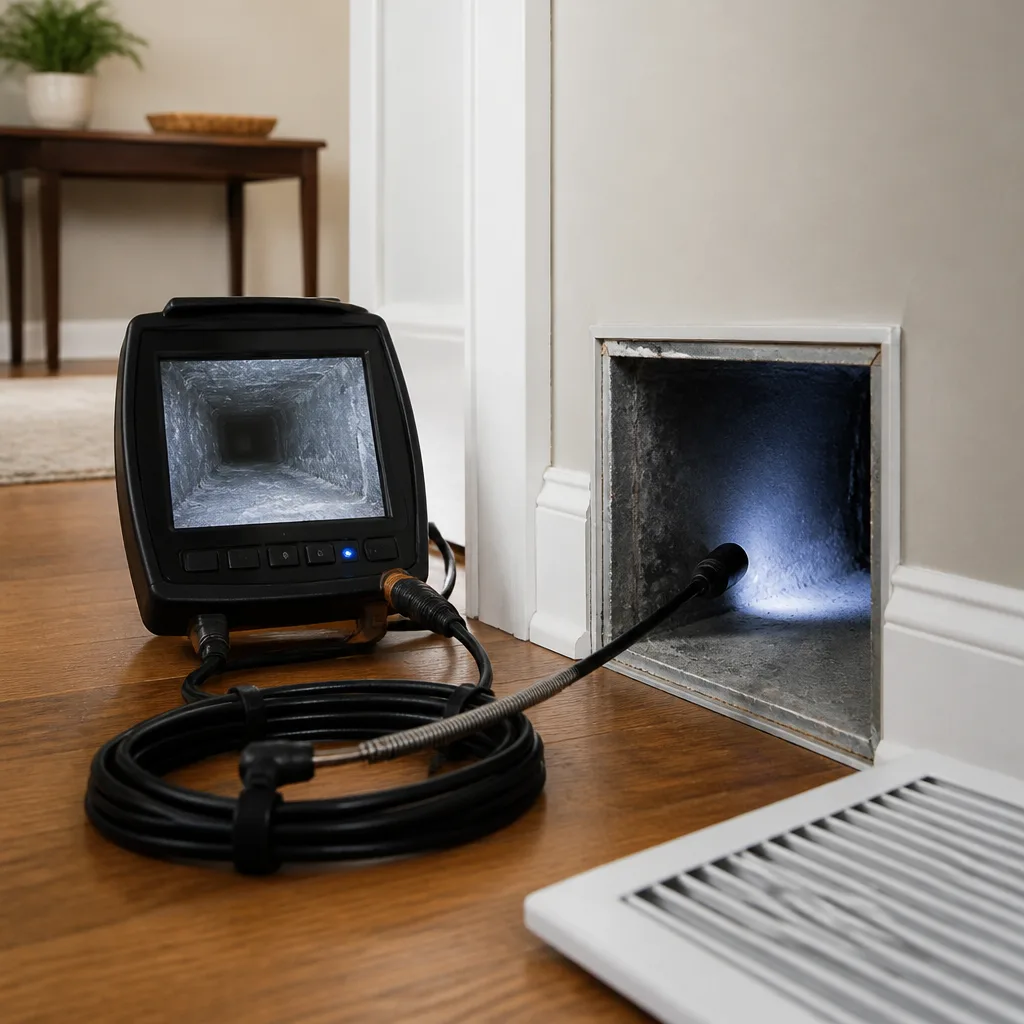 Camera inspection
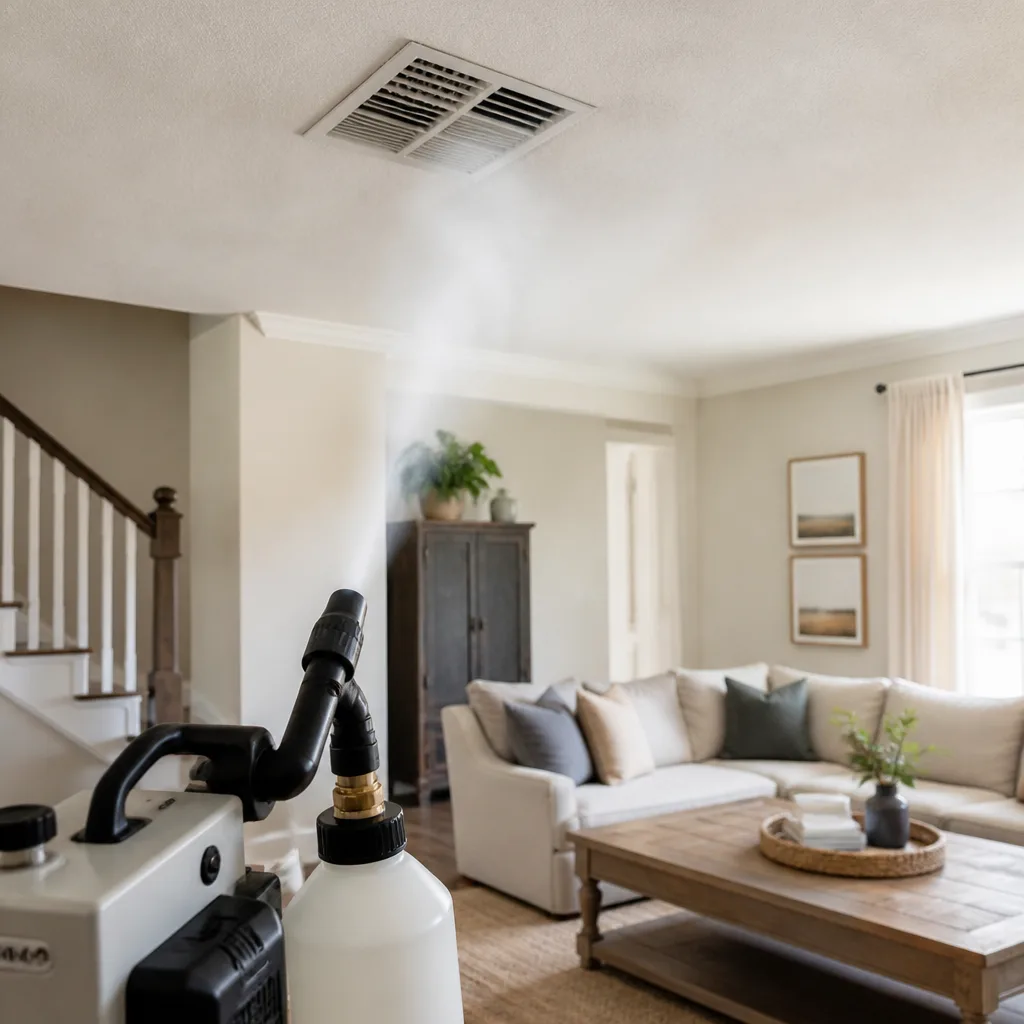 Sanitizing & deodorizing
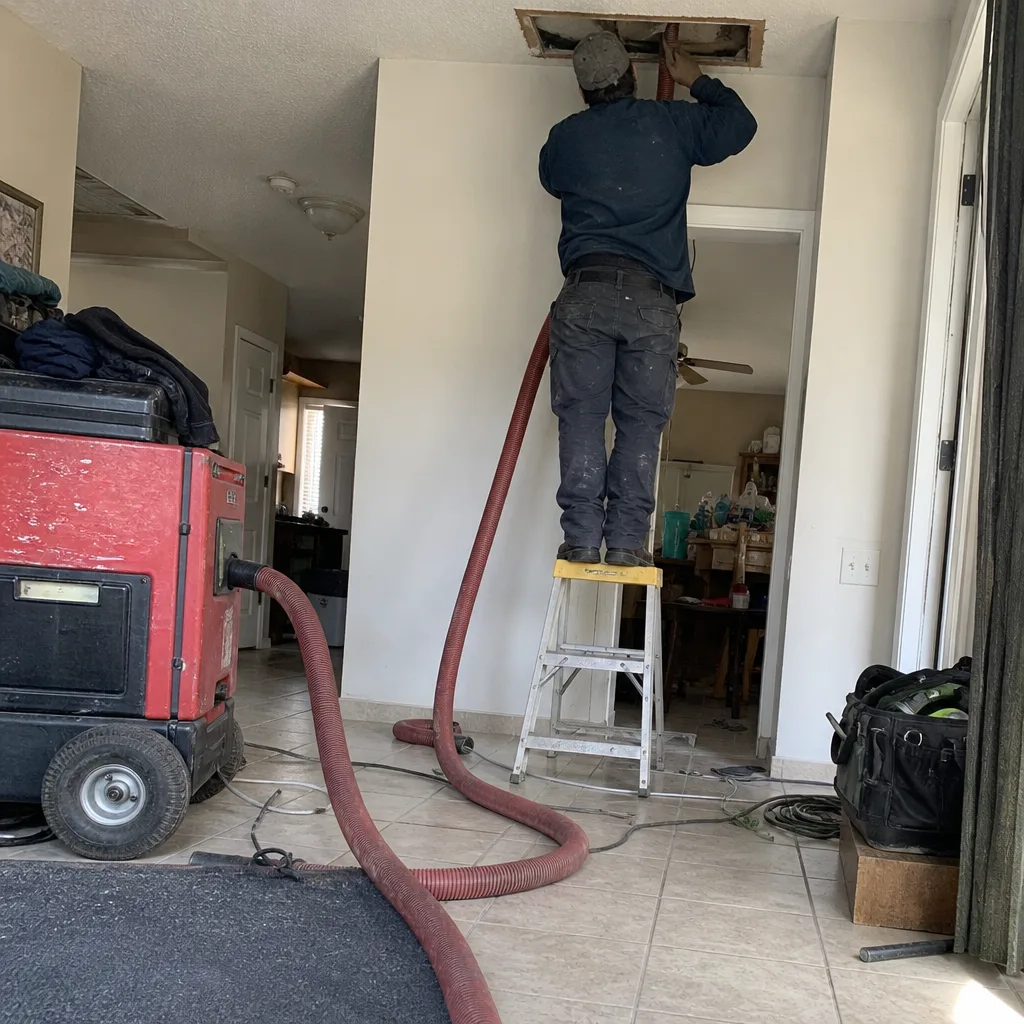
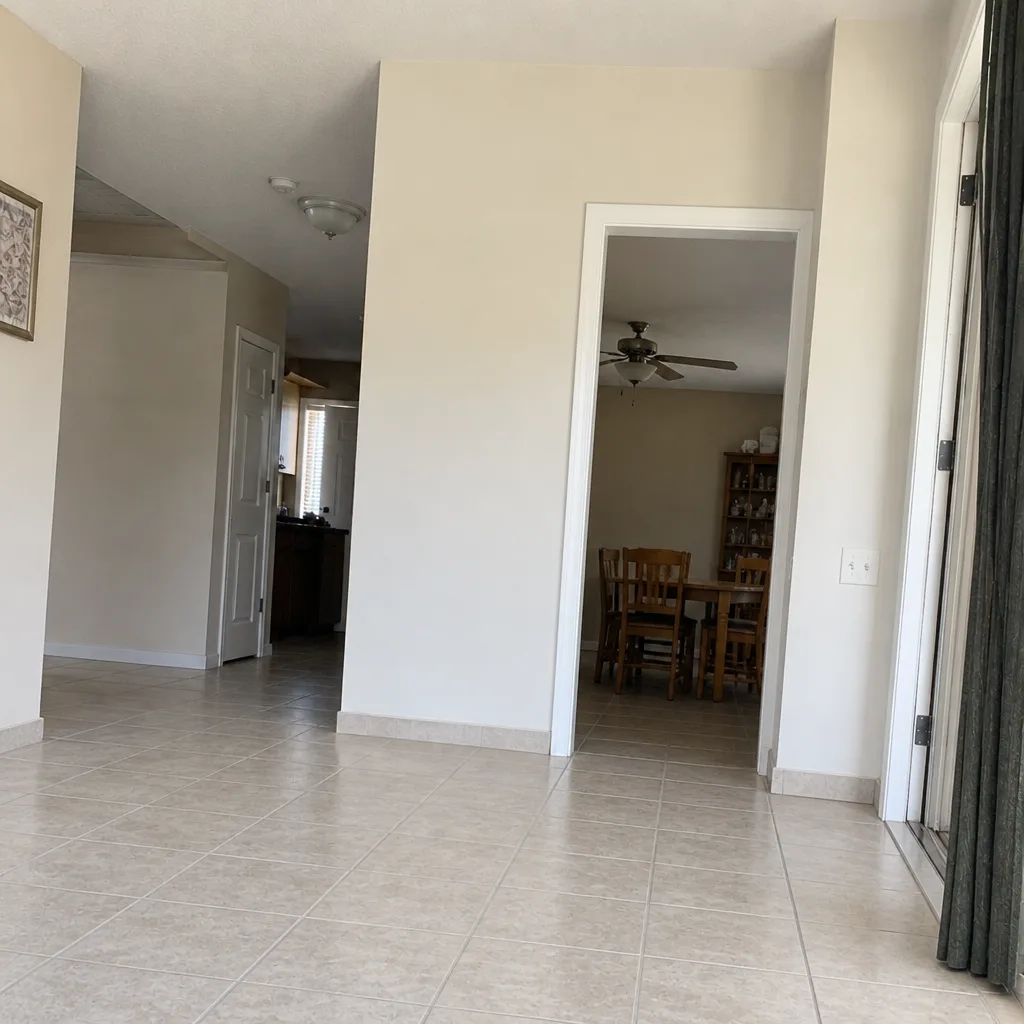
Whole-system duct and dryer vent check with before-and-after photos - you see exactly what came out of your vents
That "$99 whole-house special" is a bait ad - the real number appears once they are in your hallway, or the "clean" is a shop-vac at the register. We photograph the inside of your ducts before and after instead.
Seasonal Air Duct Cleaning Care for Palm Bay: Year-Round Homeowner’s Guide
Most homeowners here assume duct cleaning belongs on a spring cleaning list, right next to washing the windows and flipping the mattresses. That calendar was built for places with four distinct seasons. Palm Bay doesn’t have four seasons. We have a dry stretch, a long wet stretch, a hurricane window, and a short mild reprieve. Each one puts a different load on the ductwork behind your walls, and each one leaves behind a different kind of debris. Cleaning in October is a fundamentally different job than cleaning in February, and treating them as interchangeable either wastes money or leaves the real problem sitting in the return plenum. This guide walks through what actually happens inside your ducts during each phase of the Palm Bay year, when cleaning returns the most value, and how to time the work alongside your AC service so the two don’t fight each other.
Quick Answer
In Palm Bay, the highest-value window for air duct cleaning is October through November, right after the wet season and hurricane window close out and before the dry season locks in. For homes with pets, allergies, or recent renovation dust, a second cleaning in late April or early May – just before the system shifts into heavy cooling load – is worth considering. A single fixed annual date works for mild climates; it doesn’t work well here, because the type of debris accumulating changes with the weather.
Styles & brands we work with
- Whole-home duct cleaning
- Dryer vent cleaning
- Camera inspection
- Sanitizing & deodorizing
Table of Contents
- Why seasonal timing matters more in Palm Bay than in most places
- June through September: what the wet season does inside your ducts
- October through November: the post-hurricane cleaning window
- December through April: dry season dust and filter loading
- The pre-summer prep checklist (May)
- How to coordinate duct cleaning with your AC tune-up
- What to look for before you schedule
- What seasonal duct cleaning costs in Palm Bay
Why Seasonal Timing Matters More in Palm Bay Than in Most Places
The reason is simple: your ductwork doesn’t just carry air. It carries whatever is suspended in the air and whatever the system’s own temperature and moisture cycle leaves behind. In Palm Bay, that cycle changes dramatically across the year. A duct that sits dry and lightly loaded from December through April is a different environment from a duct that runs near-constantly through a humid summer, cycling condensation onto cold surfaces and pulling in outdoor particulate through every return.
Most national duct cleaning advice assumes a home in a temperate climate with a clearly defined heating season. That advice breaks down here. There’s no long furnace season to dry things out, no hard freeze to reset the biological activity inside a duct, and no spring thaw marking a natural cleaning boundary. The result is that debris accumulates continuously and the character of that debris keeps changing.
Three things drive the seasonal pattern in Palm Bay specifically:
- Humidity swings. Wet season relative humidity stays elevated for months, and the temperature differential between your supply ducts and the surrounding attic or wall cavity cycles condensation onto cold surfaces. Dry season reverses the pattern.
- Outdoor particulate loads. Wind-blown dust, pollen, and yard debris peak at different times, and hurricane season adds a distinct pulse of fine particulate that most cleaning schedules don’t account for.
- System runtime. Cooling runtime in Palm Bay is heavy from May through October and drops sharply in the dry season. More runtime means more air through the ducts, which means faster accumulation on liner surfaces and coil faces.
Getting the timing right is the difference between cleaning your ducts when they actually need it and cleaning them because a calendar told you to. If you want the broader picture of what’s involved in the service itself, the air duct cleaning page covers the equipment and process in detail.
June through September: What the Wet Season Does Inside Your Ducts
The wet season is the most demanding stretch of the year for your HVAC system and the ductwork attached to it. Daily afternoon thunderstorms, sustained high humidity, and near-continuous cooling runtime create three distinct problems that don’t exist in the dry season.
Condensation cycling. Cold supply air moving through ducts that pass through unconditioned space (attics, garages, wall cavities) creates a temperature differential that pulls moisture out of the surrounding air. In a properly sealed and insulated duct, that’s a minor issue. In a duct with even a small leak or a compromised liner, that moisture lands on the interior surface and stays there. Over a summer, that cycling can produce a persistently damp environment inside the duct system.
Elevated spore counts. Elevated outdoor humidity drives biological activity outdoors, and a portion of that airborne material gets pulled into the return side. Your filter catches some of it. What gets past the filter settles on duct surfaces, where the residual moisture can support it.
Biofilm development on liner surfaces. Fiberglass duct liner and flexible duct interiors are textured. They don’t shed dust the way galvanized metal does. Under wet-season conditions, that texture gives organic particles a place to accumulate and hold on. Once that layer establishes, it doesn’t dry out and flake away in the dry season – it stays.
We’ve seen this pattern hold across the neighborhoods south of Malabar Road, where older flexible duct runs are common and attic temperatures run hot. The combination of a hot attic and a cold duct carrying humid air is the main driver. That’s why we run a Rotobrush rotary contact system rather than a vacuum-and-hope approach on these jobs – the brush contact is what actually breaks the accumulation loose from the liner.
What a Wet-Season Cleaning Involves
- Inspect the visible duct runs and the air handler for signs of moisture intrusion or liner damage.
- Set up negative air pressure in the system so dislodged material is contained, not recirculated into living space.
- Use a Nikro HEPA-filtration vacuum to capture and hold the collected debris.
- Run rotary contact cleaning through each branch run and the main trunk.
- Document the before-and-after condition of the accessible runs.
If you suspect moisture is getting into your ducts from a leak or a compromised liner, cleaning alone won’t solve it. That’s a repair issue, and it needs to be addressed before the next wet season starts.
October through November: The Post-Hurricane Cleaning Window
This is the window the annual-calendar approach gets wrong. By the time October arrives in Palm Bay, your ducts have been through three months of wet-season humidity, peak cooling runtime, and – in most years – at least one close call with a tropical system or a strong storm event that produced sustained wind and driven rain. The fine particulate load that a storm event leaves in the outdoor air makes its way into every return the system pulls through.
The debris left after a storm event isn’t a single problem. It’s a combination:
- Wind-driven fine particulate (dust, sand, yard debris) that entered through intakes and every return;
- Elevated moisture that has had weeks to accumulate on any compromised surface;
- Biological material that settled and stayed because the system never dried out through a cold season.
That combination means a post-hurricane cleaning isn’t just a dust-removal job. It’s a chance to verify the duct system came through the season intact while you clear out the seasonal load. On those jobs, we use Abatement Technologies negative-air equipment to control airflow through the work zone – important when you’re pulling material out of a system that may have picked up fine particulate from outside the home. It also gives us a clean look at the accessible duct surfaces to identify any liner damage or joint separation the storm may have exposed.
If your home is in a low-lying area near Turkey Creek or the older neighborhoods with mature tree cover, storm-driven debris load tends to run heavier. Trees shed fine material that finds its way into returns, and after a storm that material is concentrated rather than dispersed. A November cleaning in those areas usually pulls more out of the system than the same cleaning would pull in June.
Post-Storm Inspection Checklist
- Check return grilles and register faces for visible debris or moisture stains.
- Inspect the air handler cabinet for water intrusion after any storm with driven rain.
- Look for signs of liner separation or flex duct collapse in the accessible runs.
- Confirm insulation and ductwork that runs through the attic or garage are still intact.
- Replace the air filter before running the system, then again after cleaning.
If any of the inspection steps turn up damage, schedule a full cleaning plus an assessment of the ductwork itself. Cleaning a damaged system without addressing the damage just means the problem comes back faster.
December through April: Dry Season Dust and Filter Loading
The dry season in Palm Bay is the mild stretch most homeowners don’t think about, which is exactly why it’s the wrong time to skip maintenance. Outdoor humidity drops, cooling runtime falls, and the character of what’s coming into your ducts shifts from humid, biologically active material to dry particulate.
Two things happen during the dry season that change how the system behaves:
- More outdoor activity, more dust. The dry season is when most yard work, landscaping, and outdoor projects get done. That means more fine dust, more pollen from winter-blooming vegetation, and more of both making their way into the return side.
- Filter loading changes. With reduced system runtime, a filter that loaded quickly during the wet season now loads more slowly. Homeowners read that as “the filter is fine” and let it run past its change interval. In practice, the dry-season filter is pulling drier, finer particles that compact more tightly on the filter face, which increases pressure drop and stresses the blower.
This is also the best window for homeowners who want to make one cleaning cover the year. Clean in December or early January, replace filters on a tighter-than-recommended interval through the dry season, and you go into the wet season with a clean system and a manageable load. For homes in the older neighborhoods with more mature tree cover, dry-season cleaning is often the highest-value single service of the year.
The Pre-Summer Prep Checklist (May)
May is the last realistic window before cooling load ramps up in Palm Bay and the system runs near-constantly for five months. Getting the system and its ductwork serviced in this window means you enter the wet season with a clean system and a clear picture of any issues that need fixing before the humidity and runtime start doing their work.
Work through this list in order – it’s designed so each step builds on the one before:
- Check the air filter. Replace it before any other service. A clogged filter restricts airflow and can make cleaning results look worse than they are.
- Inspect visible ductwork. Look for disconnected runs, crushed flex duct, and visible liner damage in attics, garages, and crawl spaces.
- Schedule air duct cleaning. Do this before the AC tune-up, not after. Cleaning dislodges material, and you want the system clean before the technician closes up and checks refrigerant charge and airflow.
- Schedule the AC tune-up and coil cleaning. A dirty evaporator coil is the most common efficiency loss in a humid-climate system. Cleaning the ducts without cleaning the coil leaves the biggest efficiency gain on the table.
- Confirm the condensate drain is clear. A clogged drain line in a wet-season climate is a water intrusion risk, not just an inconvenience.
- Replace filters again post-cleaning. Once the cleaning is done and the system runs for a few cycles, a fresh filter captures the residual material.
- Note any areas with recurring dust or musty smells. These are the areas to inspect again after the system has run through the first few weeks of cooling load.
The order matters. Cleaning after the tune-up means you’re doing two steps that only partially reinforce each other. Cleaning before means the tune-up technician is working on a clean system and can see any real airflow issues that were hidden by accumulated debris.
How to Coordinate Duct Cleaning with Your AC Tune-Up
Most homeowners in Palm Bay schedule their duct cleaning and their AC tune-up as two unrelated appointments. That’s a missed opportunity. The two services address different parts of the same air delivery system, and timing them together typically produces a better result than either service on its own.
The right sequence is:
- Duct cleaning first, while the system is accessible and before any new service is layered on.
- Coil cleaning second, since a clean drain pan and coil can then be verified without duct debris falling back onto the surfaces you just cleaned.
- AC tune-up (refrigerant charge, electrical check, airflow verification) last, to confirm the system is performing to spec after the cleaning work is done.
If your ductwork needs repair, that has to happen before any of the above. A torn flex duct or a disconnected branch run during cleaning will just re-contaminate the system downstream. This is why we offer duct repair as a standalone service – cleaning a damaged system without fixing the damage is a partial solution. If we find compromised ductwork during a cleaning, we can fix it rather than cleaning around the problem. The Palm Bay service page explains what that repair scope covers.
The other reason to coordinate is the dryer vent. Dryer vent cleaning is a separate job from duct cleaning, and it’s a leading cause of home fires when neglected. If you’re doing a pre-summer service call, add it to the same visit. It’s a dedicated service we perform with dedicated tools – not a hand-vac afterthought. The dryer vent cleaning page explains the equipment and what gets inspected.
What to Look for Before You Schedule
You don’t need to pull ductwork apart to know whether seasonal cleaning is due. There are visible indicators that tell you where you are in the cycle.
Signs you’re due in the wet season (June-September):
- Musty or earthy smell when the system first starts
- Visible debris or dark staining around return grilles
- Condensation on supply register faces
- Allergy symptoms that track with system runtime
Signs you’re due in the post-hurricane window (October-November):
- Visible dust around the home after a storm event
- Filter loading faster than usual
- Any moisture intrusion after a storm
- Debris visible at the return intake
Signs you’re due in the dry season (December-April):
- Increased dust on surfaces despite normal cleaning
- Filter pressure drop noticeable (system runs longer, blower sounds strained)
- Visible dust around the air handler
- Recent renovation, drywall work, or yard work near intakes
If any of these line up, schedule the service. There’s no benefit in waiting for a specific date on the calendar when the ducts are telling you they’re loaded. We work with Honeywell and Aprilaire filtration products and can advise on whether your filter setup is contributing to the cycle or helping break it.
What Seasonal Duct Cleaning Costs in Palm Bay
Duct cleaning in Palm Bay typically runs within a range that depends on system size, number of runs, and whether duct repair is included. We price per system, not per vent, so the estimate you receive before work starts is the price you pay for that system. Nobody opens a register and starts counting as work gets more expensive.
| Service | Typical estimated range | Notes |
|---|---|---|
| Air duct cleaning – standard system | Priced by written estimate | Depends on number of runs, accessibility, and liner condition |
| Air duct cleaning plus repair | Priced by written estimate | Quote includes identified repairs, verified before work begins |
| Dryer vent cleaning | Priced by written estimate | Standalone service, dedicated equipment |
Three things are worth understanding about how quotes for this service vary so widely:
- The equipment makes the price. A shop vac and a hose is cheap to own, and the quotes that use it reflect that. A Rotobrush rotary contact system, a Nikro HEPA vacuum, and Abatement negative-air equipment cost more to run and produce a materially different result. Ask to see the equipment before you hire anyone.
- Per-vent pricing is a red flag. It rewards quick work and punishes thorough work. A flat per-system quote with a written scope of what’s included is the more honest structure.
- Repair included or excluded matters. A quote that includes an assessment of duct condition, and the option to repair what’s found, will typically look more complete than a cleaning-only quote. That’s not a sign it’s overpriced; it’s a sign it covers what a cleaning-only job leaves behind.
Every estimate we provide is free, and every job is priced per system by the written estimate before any work starts. Before-and-after photos of your own ducts are part of the job, so you can see what was actually removed. Our technicians have up to 9 years of experience, and they’ll walk you through what they find rather than guessing at what’s behind a wall.
The seasonal timing question is worth resolving together with the estimate. If you’re not sure whether your system needs cleaning now or can wait until the post-hurricane window, that’s the conversation to have when we look at the system. Cleaner air starts at the source, and the source changes with the season.
Common Mistakes to Avoid
- Following a generic annual cleaning calendar. A cleaning schedule built for a temperate climate with four seasons doesn’t fit Palm Bay’s two-season, high-humidity pattern. Cleaning in the wrong season leaves the biggest seasonal loads sitting in the system until the next cycle.
- Skipping the post-hurricane window. The October-November window exists precisely because the wet season and storm events leave behind a specific load. Waiting until next spring means you run through the dry season with that material still in the system.
- Hiring the cheapest quote without seeing equipment. A low bid almost always reflects a shop-vac-and-hose setup. Ask what the technician will actually use, and whether the quote includes the equipment to contain material rather than recirculate it.
- Cleaning the ducts but not the coil. A dirty evaporator coil is the biggest efficiency loss in a Palm Bay system. Duct cleaning without coil cleaning is half the job.
- Cleaning a damaged system without repairing it first. Torn flex duct, disconnected joints, or compromised liner mean the cleaning work gets reintroduced downstream. Repair has to come before cleaning.
- Waiting until the wet season starts to schedule anything. The pre-summer prep window is May, not June. By the time the afternoon storms are daily, the system is already running hard and the lead time gets longer.
- Treating dryer vent cleaning as an optional add-on. It’s a dedicated service with a distinct fire-safety purpose. Booking it separately or skipping it entirely leaves a real risk unaddressed.
See the difference
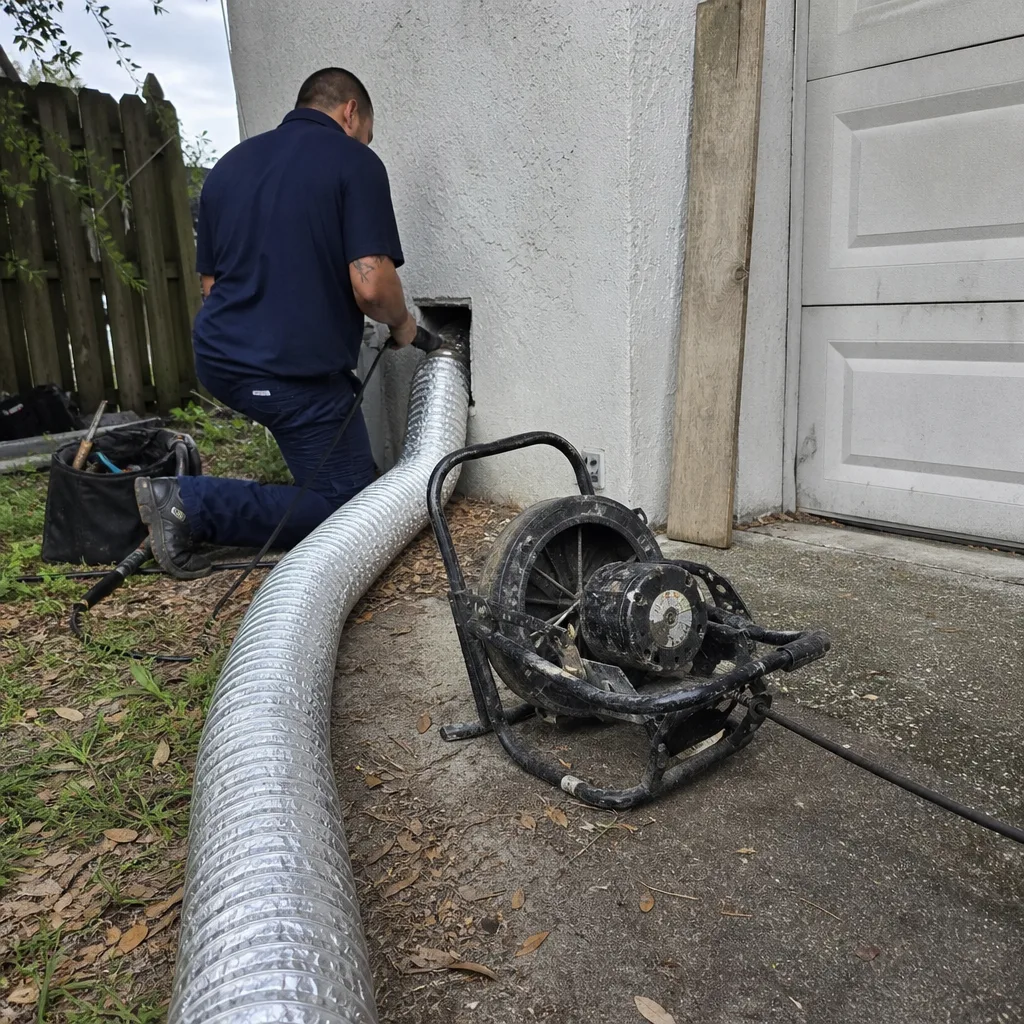 Before
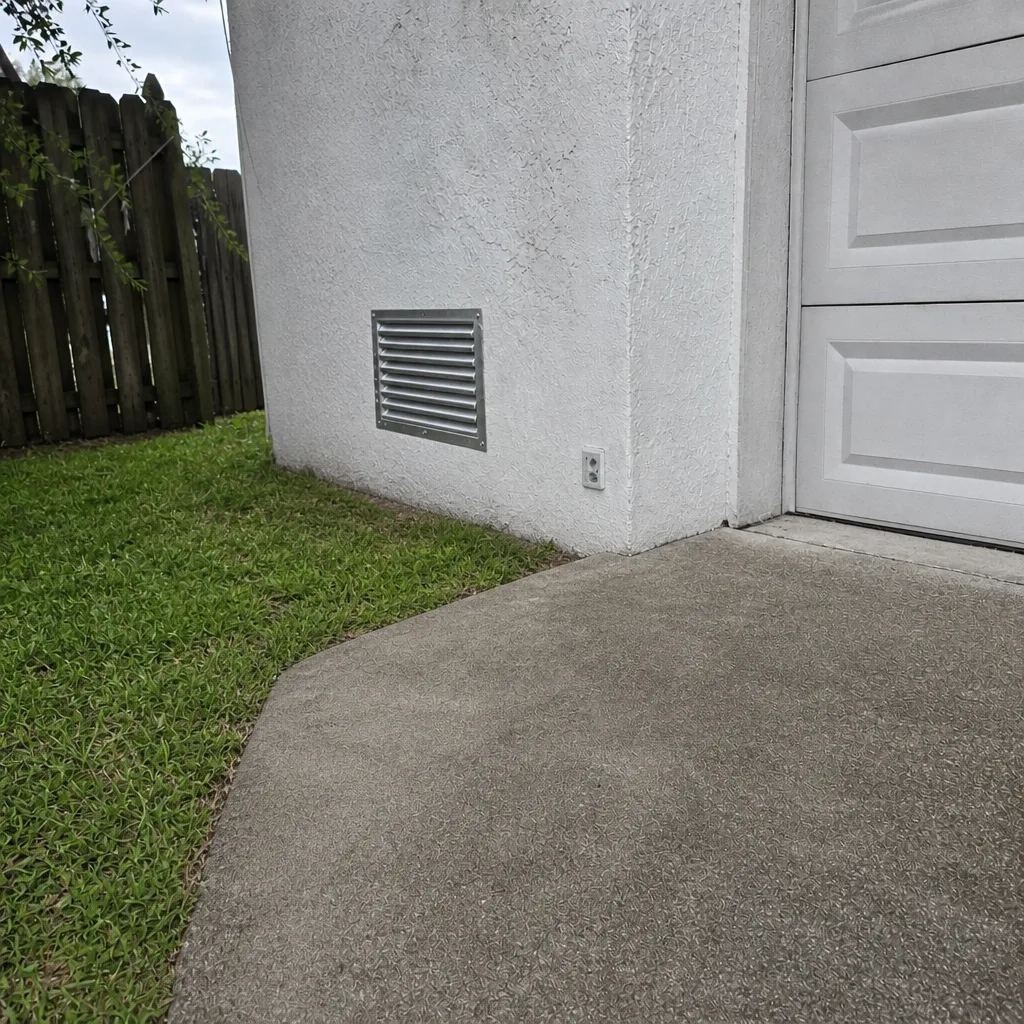 After
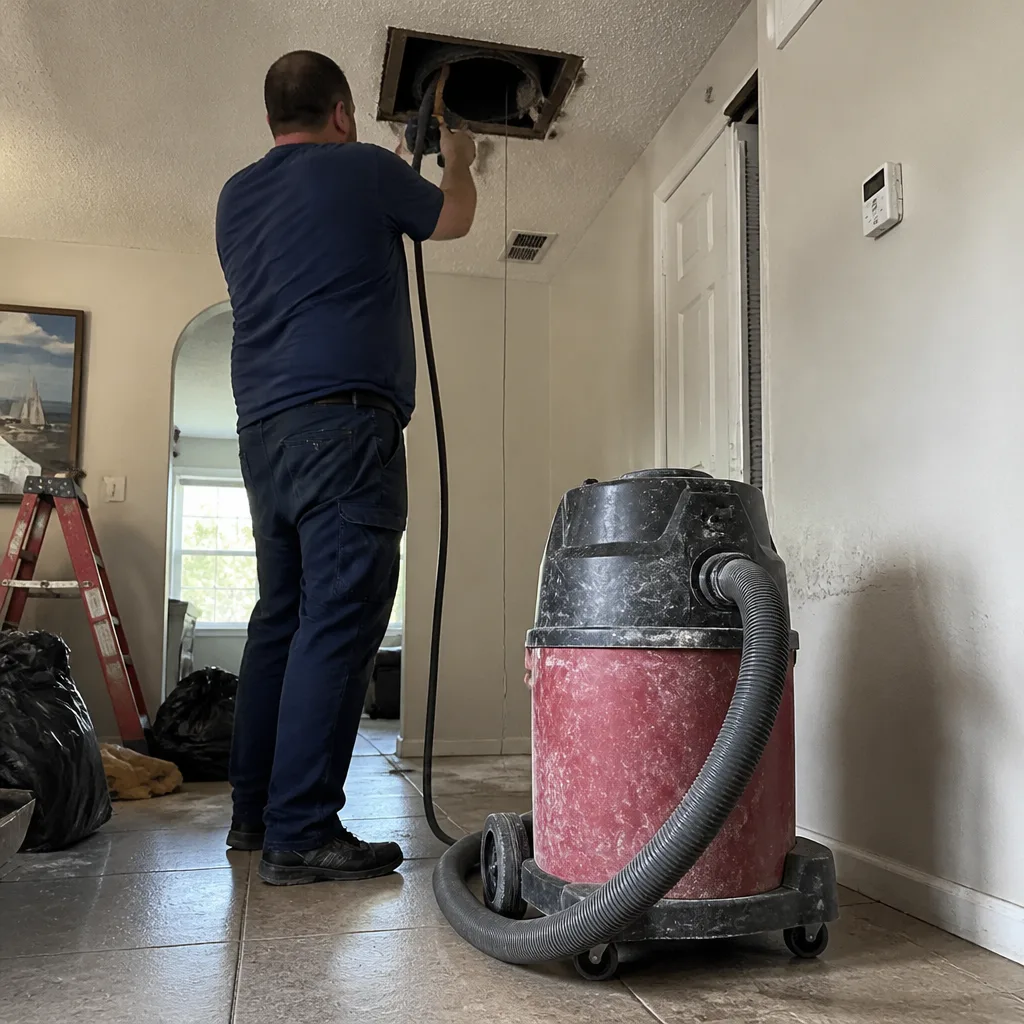 Before
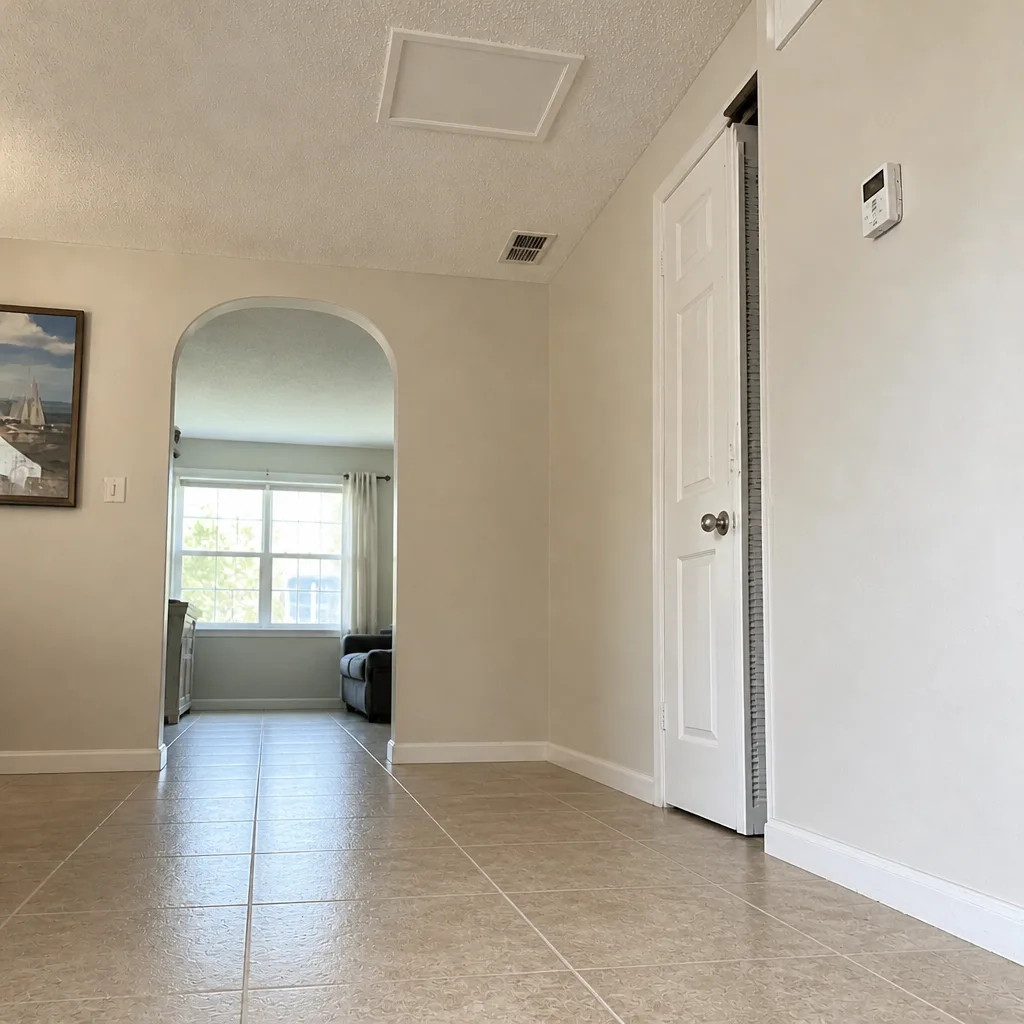 After
 Before
 After
When to Call a Professional
Any time you smell something musty when the system runs, see visible dust around registers or the air handler, or notice a filter loading faster than its usual interval, it’s worth scheduling a professional inspection. Call sooner if you’ve had a storm event, if you see condensation on supply registers, or if the system is running longer than it used to without a clear cause. Ductwork that has been damaged by a storm or pulled loose during a roofing or renovation project needs a professional look before the next cleaning cycle.
Duct Cleaning Palm Bay offers free estimates in Palm Bay – call (844) 834-5154. We answer 24/7. Fast dispatch from 7am to 7pm, Sunday through Friday. Ask to see the equipment when we arrive – we’d rather show you how the work happens before you commit to it.
Frequently Asked Questions
For most homes, air ducts should be cleaned every 12 to 18 months, with cleaning scheduled in late October or November to land right after the wet season and hurricane window close out. Homes with pets, allergies, recent renovation, or heavy tree cover in older neighborhoods may need a second cleaning in April or May. The “every 12 months on a fixed date” rule misses the seasonal load pattern in this climate. Call (844) 834-5154 for a free estimate based on your system’s actual condition.
October and November are the highest-value window because they follow three months of wet-season humidity, peak cooling runtime, and storm-driven particulate, all of which accumulate in the ducts and stay there. Cleaning in that window clears the largest seasonal load before it sits in the system through the dry season. The alternative – a spring cleaning before the wet season – catches the dry-season dust but misses the heavier summer and storm load. Call (844) 834-5154 to schedule a post-hurricane estimate.
During June through September, the combination of high humidity and near-constant cooling runtime drives condensation cycling inside supply ducts, elevates spore counts pulled in through the return side, and allows biofilm to develop on textured liner surfaces where it can’t dry out. That material doesn’t dissipate in the dry season – it stays settled. Cleaning it out at the end of the wet season is a materially different job than cleaning out dry-season dust. Call (844) 834-5154 and we’ll walk you through what we find in your system.
Duct cleaning should happen before the AC tune-up, not after. Cleaning first means the tune-up technician is working on a clean system and can see any real airflow issues that were hidden by debris. Coil cleaning fits between the two – after duct cleaning and before the tune-up. This sequence takes planning but produces a better result than scheduling the services as unrelated appointments. Call (844) 834-5154 to coordinate both in one visit.
Air duct cleaning in Palm Bay is priced per system by a written estimate, based on the number of runs, accessibility, and whether any repair is needed. There is no honest per-vent price, and a low teaser number almost always reflects a shop-vac setup rather than professional-grade equipment. We send a written estimate before any work begins, so the price you’re quoted is the price you pay. Call (844) 834-5154 for a free estimate.
You know the work was done when you have before-and-after photos of your own ducts, not stock images of someone else’s system. Any reputable provider should give you both. We also invite you to see the equipment when we arrive – a Rotobrush rotary contact system, a Nikro HEPA vacuum, and Abatement negative-air equipment are not easily faked. Call (844) 834-5154 and ask us to walk you through the equipment and the process before we start.
The Bottom Line
Palm Bay doesn’t have four seasons, and its duct cleaning calendar shouldn’t pretend it does. The wet season (June-September) loads the system with moisture and biological material; the post-hurricane window (October-November) is the highest-value cleaning window for most homes; the dry season (December-April) shifts the load to fine particulate; and the pre-summer window (May) is the last chance to enter the wet season with a clean system. Cleaning the ducts and the coil together, coordinating the timing with your AC tune-up, and treating dryer vent cleaning as the dedicated service it is – those are the moves that actually produce cleaner air and better system efficiency over the year. Schedule the right season, not just the next available appointment.
Call (844) 834-5154 for a free estimate. We answer 24/7. Fast dispatch from 7am to 7pm, Sunday through Friday.
Written by the team at Duct Cleaning Palm Bay.