
Last updated November 15, 2026
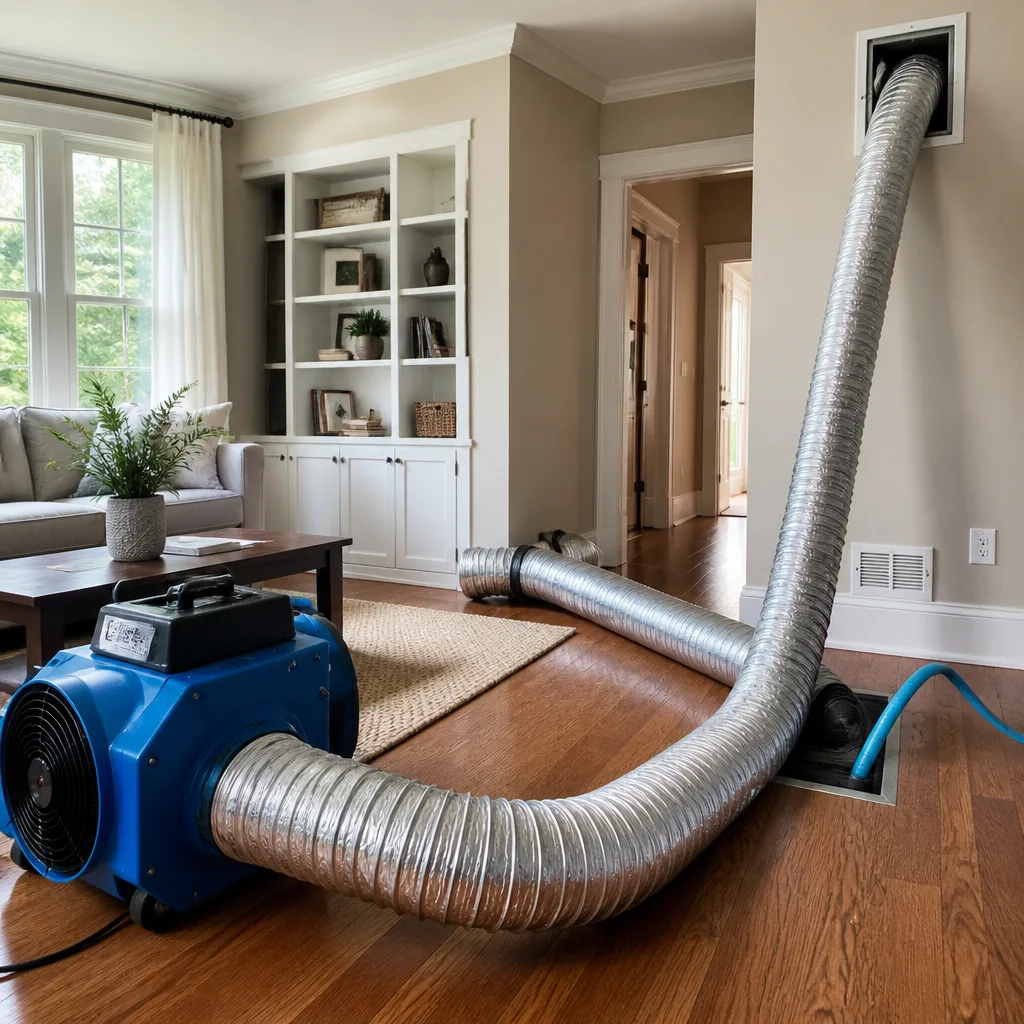 Whole-home duct cleaning
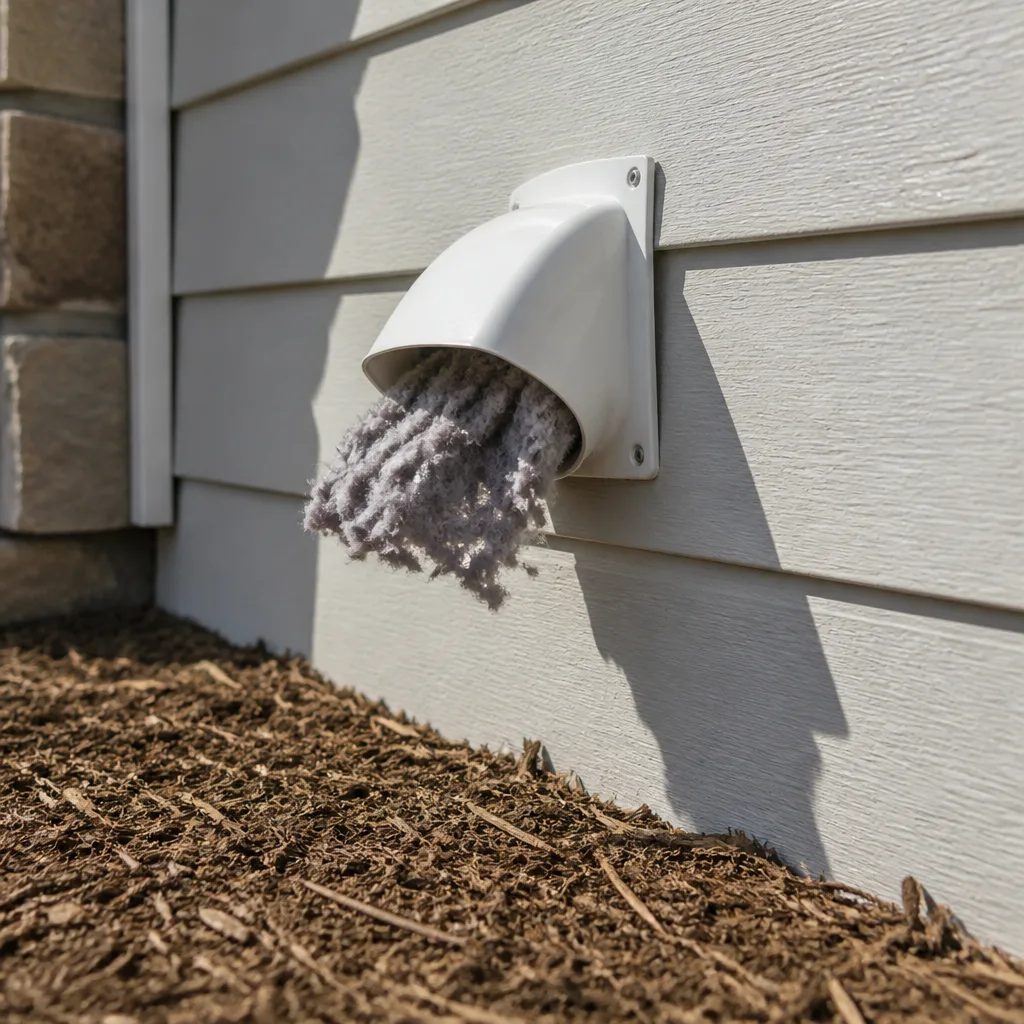 Dryer vent cleaning
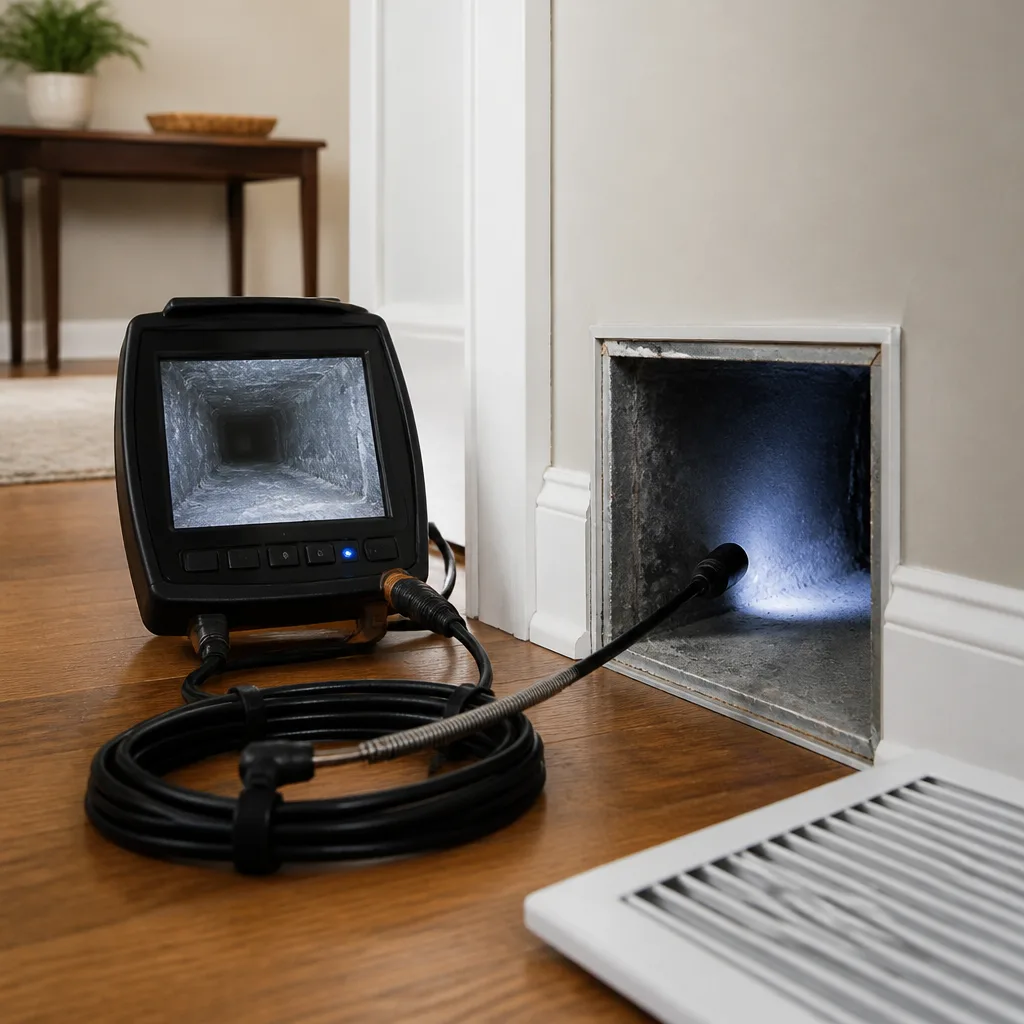 Camera inspection
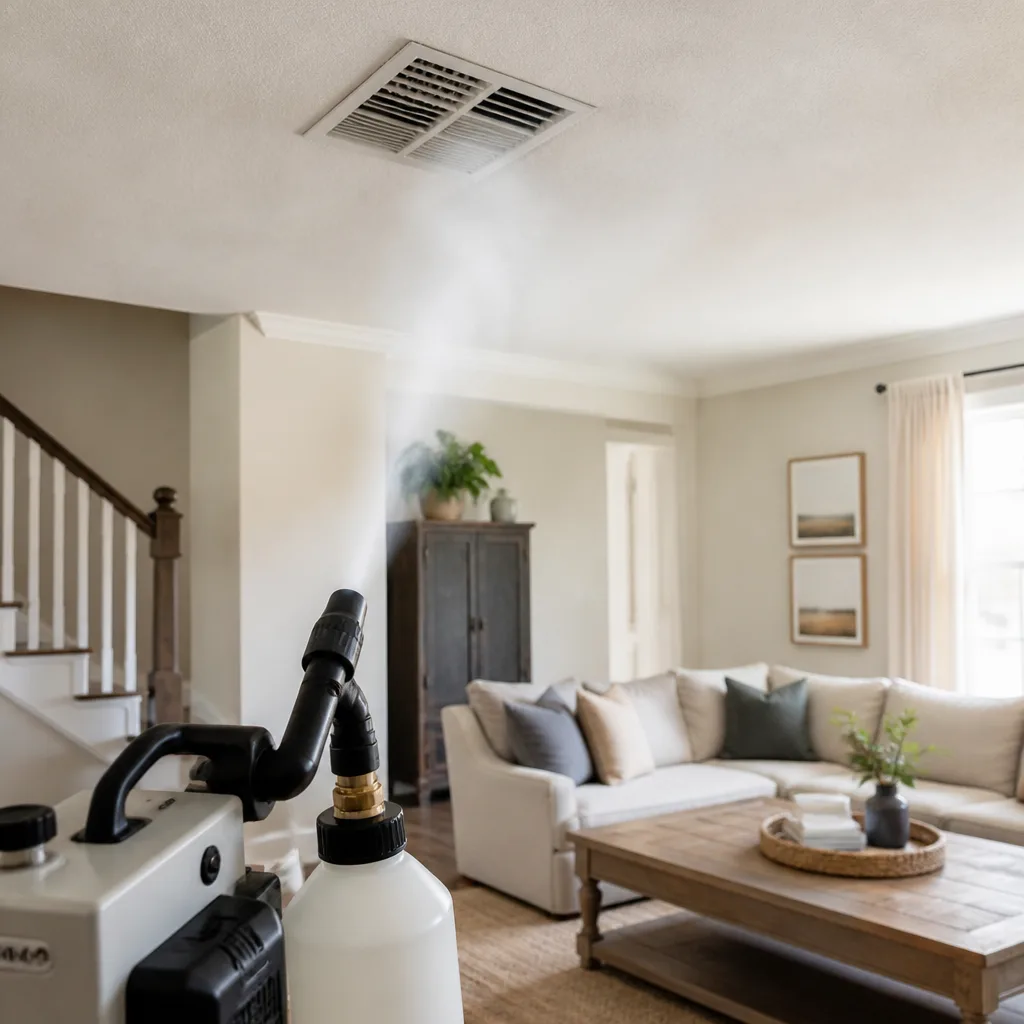 Sanitizing & deodorizing
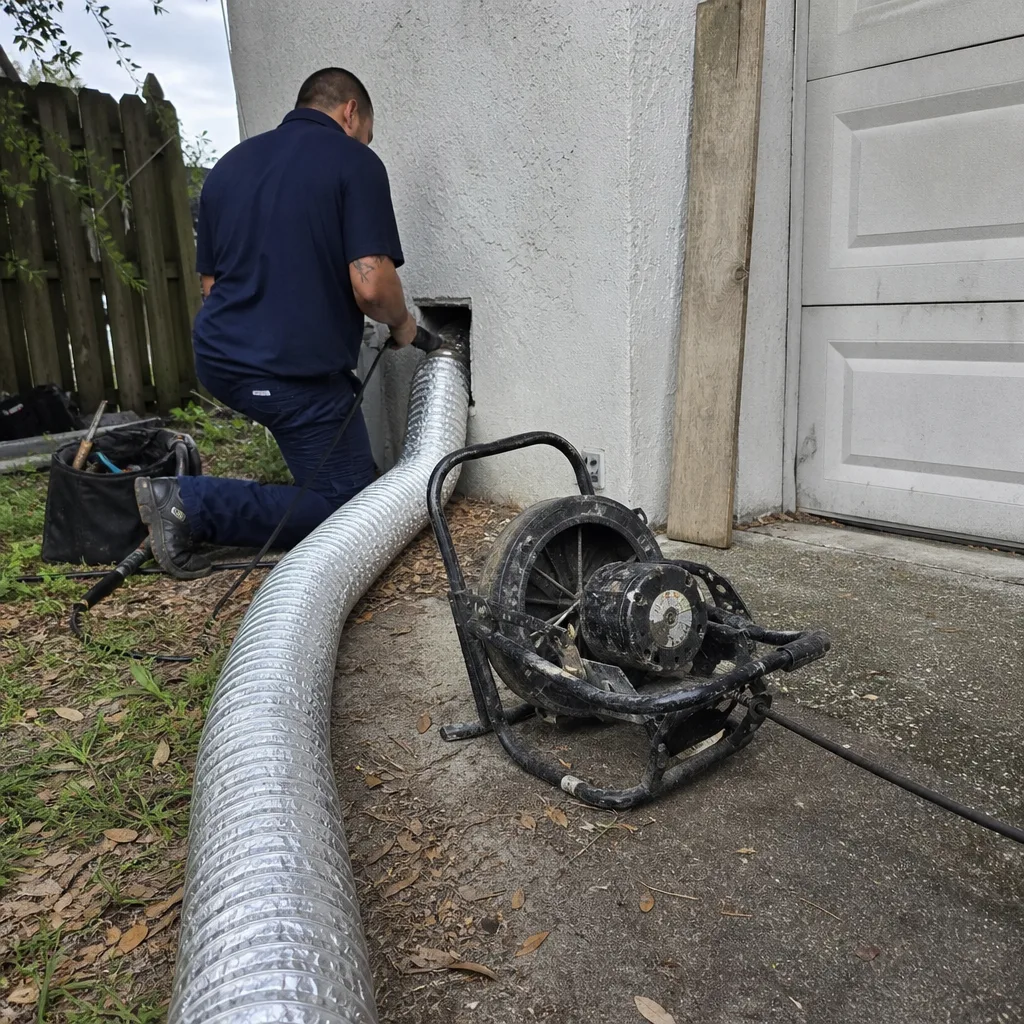
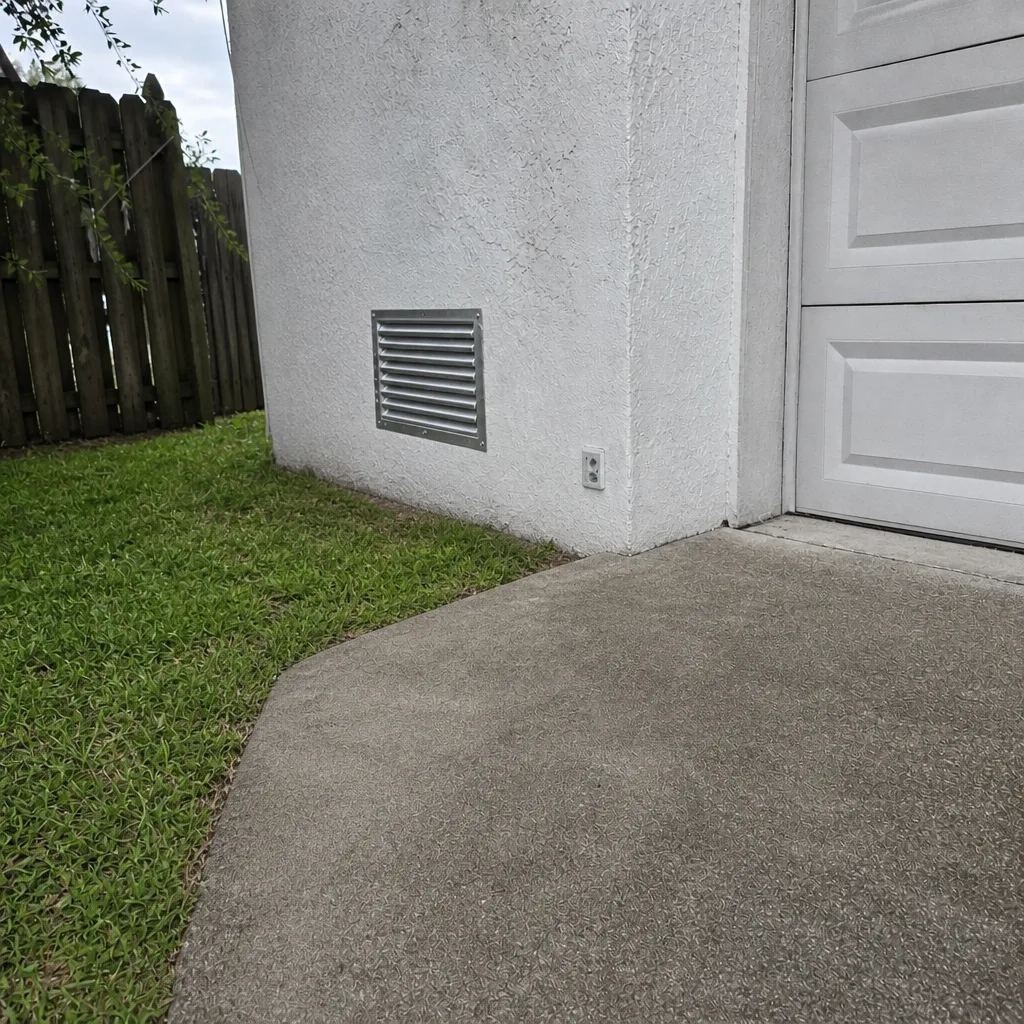
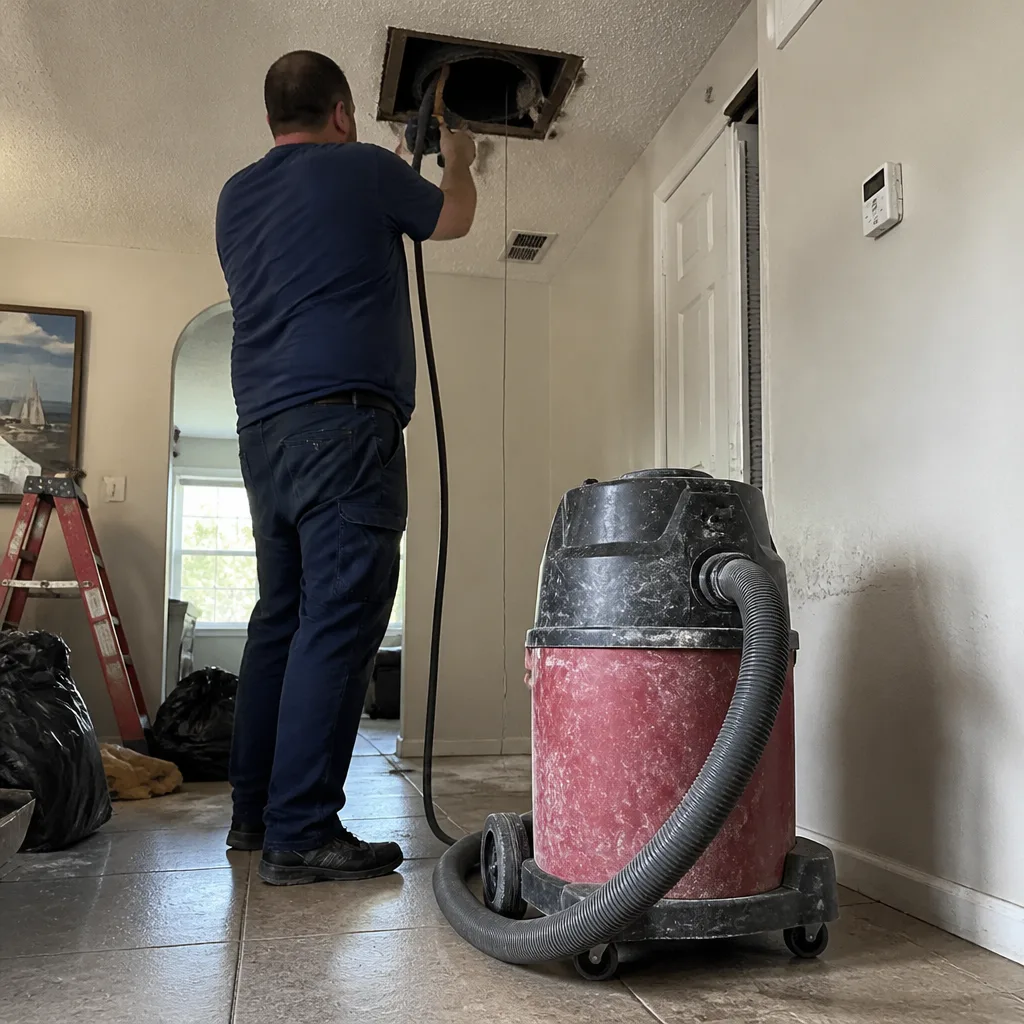
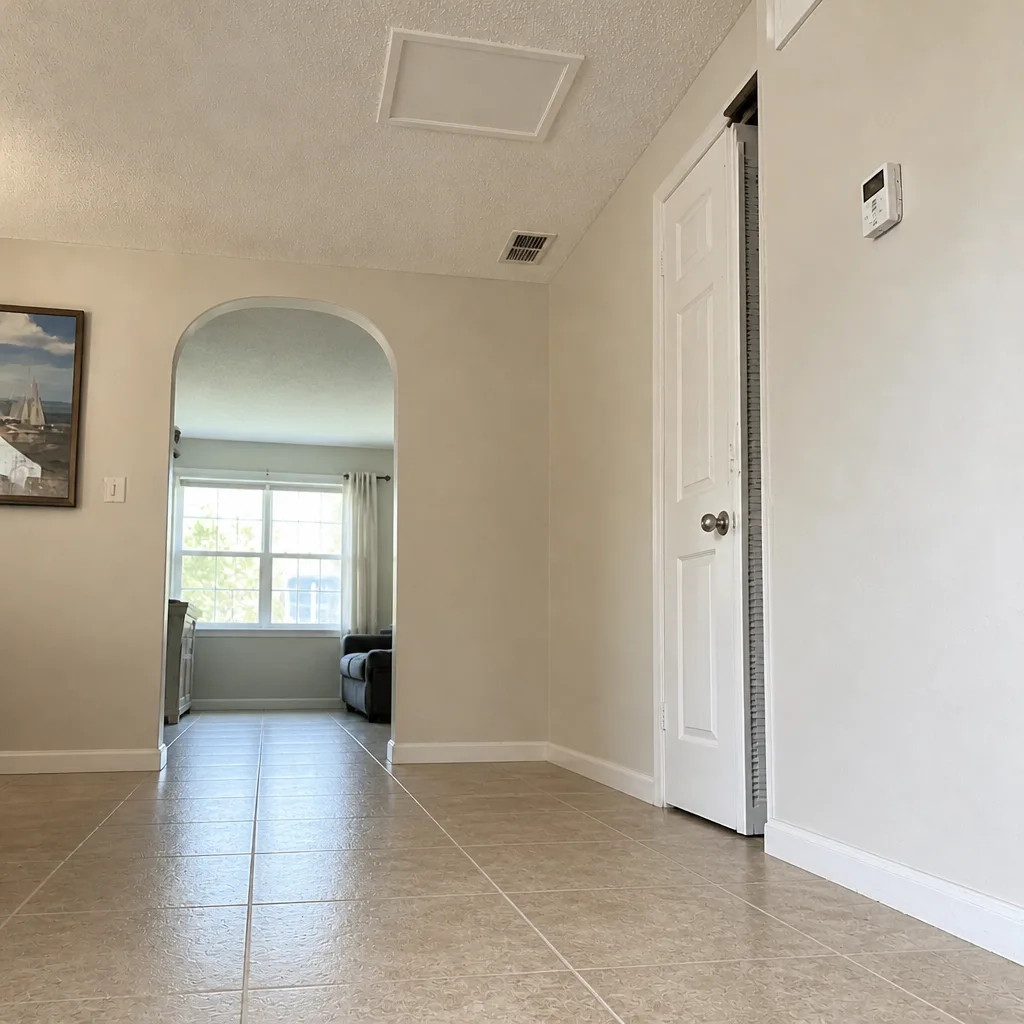
Whole-system duct and dryer vent check with before-and-after photos - you see exactly what came out of your vents
That "$99 whole-house special" is a bait ad - the real number appears once they are in your hallway, or the "clean" is a shop-vac at the register. We photograph the inside of your ducts before and after instead.
Air Duct Cleaning Maintenance Checklist for Palm Bay Homeowners
A filter schedule built for Chicago doesn’t translate to Palm Bay. Here, one system runs in August what a northern home spreads across four full seasons, and most homeowner checklists online still treat every ZIP code the same. That mismatch is why air quality problems sneak up on local households: the equipment keeps running, so nothing seems wrong until dust, odors, or weak airflow become obvious. This guide is a working document, not a generic reminder list. It’s built around Palm Bay’s dry season, hurricane prep windows, and post-storm triggers, with inspection points you can check yourself and clear thresholds for when to call a professional.
Quick Answer
A practical duct maintenance checklist for a Palm Bay home runs on a seasonal rhythm: filter checks every 30 to 60 days, a visual inspection of registers and return grilles monthly, a professional duct cleaning every three to five years (sooner with pets, allergies, or recent renovation), and an immediate inspection after any storm, flood, or pest activity. Because your system runs nearly year-round, the intervals are tighter than in colder climates. Log what you see, because that record is what helps a contractor diagnose the real problem instead of guessing.
Styles & brands we work with
- Whole-home duct cleaning
- Dryer vent cleaning
- Camera inspection
- Sanitizing & deodorizing
Table of Contents
- Why Palm Bay Ducts Need a Different Checklist
- The Month-by-Month Checklist
- What to Inspect Yourself at Registers and Returns
- Filter MERV Ratings for Florida Dust and Pet Dander
- How to Log System Performance for Your Contractor
- Trigger Events: When to Move From Maintenance to a Professional Call
- What a Professional Duct Cleaning Actually Involves
- Air Duct Repair: The Part Cleaning Can’t Fix
Why Palm Bay Ducts Need a Different Checklist
Most air duct maintenance checklists circulating online are written for a climate that gets a seasonal break. In Palm Bay, the air handler in a typical home runs most of the year, which means the same volume of air passes through your ductwork in twelve months that a northern system moves over two or three years. Your ducts see more airborne dust, more pollen from year-round growth, and more shed pet dander per calendar year than the same ducts would in a cooler market. That changes every interval on the checklist.
The local seasons matter too. Palm Bay has a distinct dry season and a wet season, and they put different demands on the system. During the dry months, airborne dust and pollen move freely and land in return grilles. During the wet season, humidity inside the home rises, and a duct system with gaps or loose joints can pull moist attic air into the conditioned stream. That’s often where a musty smell comes from, and it’s a duct integrity problem more than a cleaning problem.
We’ve seen this pattern across homes in Palm Bay more times than we can count: a family assumes their ducts are the problem, but the real issue is compromised ductwork pulling in air from a hot, humid attic. Cleaning alone won’t fix that. That’s why we clean and we repair, and why our technicians use professional-grade equipment, not shop-vac shortcuts. The checklist below is built to catch both kinds of problems.
If you’re new to the area or want the broad overview first, start with Duct Cleaning Palm Bay and then come back to this document. This page is the working checklist. That page is the introduction.
The Month-by-Month Checklist
Rather than a single to-do list, we break the year into four blocks that match how a Palm Bay home actually lives. Print this section, put it on the fridge, and check items off as you go.
January through March: Dry Season Reset
- Swap or clean the filter on the first of each month during this block. Dry-season dust loads are heavy in Palm Bay.
- Vacuum return grilles with a brush attachment. Return grilles are the intake, and they collect the most debris.
- Confirm the system’s temperature split with a simple thermometer at one supply register and the return, and write down the two numbers. You’ll log these in the section below.
- Inspect accessible duct joints at the air handler closet. Loose tape or gaps here get worse before they get better.
April through June: Pre-Wet-Season Prep
- Check the air handler closet for condensation or dampness. A wet closet going into the humid months is a warning sign.
- Look and sniff for musty odor at each register. Write down which rooms, if any, produce a smell.
- Clear the return path. Move furniture and boxes away from returns so the system isn’t starved for return air.
- Schedule a dryer vent inspection if it’s been more than a year. Lint buildup is a leading cause of residential fires, and it’s an invisible problem until it isn’t.
July through September: Hurricane Season Prep
- Photograph the air handler, filters, and accessible duct runs before any storm threat. Photos become the before half of your before-and-after comparison if water or debris gets in.
- Seal any window or door gaps that let wind-driven rain or outside air into the home during storms.
- After any named storm or flooding event, inspect the air handler closet and accessible duct runs before turning the system back on. If there’s standing water, visible debris, or a musty smell, call a professional.
- Replace the filter after a storm passes. Wind-driven dust gets pulled into the return quickly.
October through December: Recovery and Reset
- Book a professional duct cleaning if you haven’t had one in three to five years, or if you’ve had a renovation, flood, or pest issue. A full-system clean, performed with the right equipment, is what resets the baseline.
- Inspect the registers in every room for visible dust streaking or dark shadows around the vanes. That’s often a sign the supply branch is carrying more debris than the filter catches.
- Review your performance log (see below) and look for drift. Small, consistent changes over a season tell a story a single reading can’t.
- Test the dryer vent for airflow at the exterior termination.
What to Inspect Yourself at Registers and Returns
You don’t need tools to catch most early duct problems. You need a flashlight, a notebook, and the discipline to look at the same spots on a schedule. Here’s where to look, and what to look for.
Supply Registers
- Streaking or dark staining on the vanes. Airborne dust building up on the leading edges is normal at some level, but fresh, thick streaking suggests the supply branch is carrying more than the filter catches.
- Rattling or whistling. Loose ductwork or a register that’s not seated flush can cause this. It’s harmless to you, but it often means a joint has shifted.
- Cold or warm spots. If one register blows noticeably differently than others, note it. Uneven supply usually means a branch is restricted or disconnected somewhere upstream.
Return Grilles
- Lint or hair felt. Returns are where most debris actually lands. Run your hand along the grille face; a fuzzy feel means you’re due for a clean.
- Visibly dark filter face within two weeks. A filter loading up that quickly points to either a high-dust environment or a return that’s drawing from an unfiltered space.
Air Handler Access Panel
- Dampness or rust at the seams. Any moisture around the cabinet is worth a call. It’s often a duct-seal or condensation issue that cleaning alone won’t fix.
- Debris or dust accumulation on the blower side. A clear view of built-up dust on the interior of the cabinet, when visible through an inspection opening, is a strong signal that the system is overdue.
If anything you see at these points concerns you, write it down with the date and room. It turns a vague “it usually smells” call into a specific diagnostic. For a deeper walkthrough of the service itself, see our air duct cleaning page.
Filter MERV Ratings for Florida Dust and Pet Dander
Filter choice is where most homeowners accidentally overreach. The framing here is simple. MERV 8 is the practical workhorse for most Palm Bay homes. MERV 11 is reasonable for homes with pets or sensitive occupants, provided the system has the static pressure headroom for it. MERV 13 and above are where older duct systems start to notice the restriction.
Why the caution? A rated filter performs as advertised only when your system can move its designed airflow through it. Older ductwork, undersized returns, or a high-MERV filter installed on a low-capacity blower can cause a pressure drop that reduces airflow across the coil. The result is the opposite of what the homeowner wanted: less comfort, more runtime, and sometimes a frozen coil. A higher number on the box isn’t automatically a better choice. It’s a fit question.
For Florida dust loads, we generally recommend:
- Standard homes, no pets: MERV 8, changed every 60 to 90 days during low-demand periods and every 30 to 45 days in peak cooling.
- Homes with pets or allergy-sensitive occupants: MERV 11, changed every 30 to 45 days. Watch for reduced airflow.
- Recent renovation or wildfire smoke: a temporary step up in rating during the event, then back to the standard. Long-term high-MERV restriction isn’t worth it.
If you notice reduced airflow after changing to a higher-MERV filter, that’s your system telling you something. Put the original rating back in and note the change in your log. A filter is one part of a larger air quality picture. Whole-home systems from Honeywell and Aprilaire address humidity, filtration, and fresh-air ventilation at the equipment level, which is a different lever than a filter rating. Our technicians have up to 9 years of experience calibrating those systems to a home’s actual return capacity.
How to Log System Performance for Your Contractor
The single most useful thing you can do between service visits is keep a short record. A contractor with specific observations diagnoses faster than one working from a vague description. What follows is what to record and why it matters.
What to Record
- Date and time of each observation. Include a rough weather note (“hot afternoon”, “after rain”).
- Temperature differential between one supply register and the return grille. Do this with the same thermometer every time so the numbers are comparable.
- Odor notes (“musty in the primary bedroom”, “no smell elsewhere”). Note when the odor is strongest.
- Visible dust at registers. A simple “light / moderate / heavy” scale works.
- Filter change date and MERV rating.
- Any unusual events: storm, flood, renovation, pest activity, long vacancy.
Why It Matters
An isolate observation (“it smells in the hallway sometimes”) is hard to act on. A log that shows odor onset two days after a wet-season storm, sustained for three weeks, in one room, points directly at a specific return branch or a duct-seal issue. It also gives us a baseline: if your temperature differential drifts over a season, that’s a measurable signal. We bring professional diagnostic equipment, and the log tells us where to point it.
If you’re comfortable snapping phone notes, that’s fine. The format matters less than the consistency. The point is to give us a real picture of your Palm Bay home’s behavior, not a snapshot.
Trigger Events: When to Move From Maintenance to a Professional Call
Most of the year, duct maintenance is routine. A handful of events change that, and they’re the ones we see go wrong most often when homeowners wait. If any of the following applies, the checklist pauses and a professional call starts.
Post-Flood or Water Intrusion
Any time water enters the home, including a storm surge through vents, an overflowing appliance, or roof intrusion, the duct system can become a reservoir for moisture and pathogens. If water reached the air handler closet or any accessible duct run, call before turning the system back on. Running the blower spreads whatever’s inside the ducts through the house.
Post-Renovation
Drywall dust and construction debris are a specific problem. The particles are fine, load up filters quickly, and settle inside duct walls where a standard filter can’t reach. After a renovation, a full-system cleaning reestablishes the baseline. Cleaning isn’t cosmetic in that case; it’s removing a known, freshly introduced contaminant.
After Pest Activity
Rodent or insect activity inside ductwork leaves behind debris that isn’t safely handled by homeowners. It calls for professional-grade HEPA-filtration extraction, which is exactly the kind of work our Nikro equipment is built for. Neglected pest problems get worse, not better, and they’re not something to vacuum by hand.
Change in an Occupant’s Health
If a household member develops new respiratory symptoms that a doctor suggests may be tied to indoor air quality, the ducts deserve a professional look. We can’t diagnose health conditions, but we can inspect, clean, and repair the system so it’s not a contributing factor.
Structural Signs
Visible mold at a register or on the air handler cabinet, sagging flexible duct in the attic, or disconnected branches all move from maintenance to priority. For the underlying fix, see the air duct repair section below.
If you’re not sure whether an event rises to “call now” or “schedule next month”, call us and describe it. We’d rather tell you there’s nothing to worry about than find out later you waited too long. Call (844) 834-5154. We answer 24/7. Fast dispatch from 7am to 7pm, Sunday through Friday.
What a Professional Duct Cleaning Actually Involves
Most homeowners ask one question when they call: what are you actually doing in there? Here’s the honest answer. A full-system cleaning, done right, involves source removal: agitating and extracting debris from duct walls and delivering it to a containment system, not simply blowing it around. That’s the difference between a professional clean and a shop-vac demonstration.
The Equipment and What It Does
- Rotobrush rotary contact cleaning systems agitate debris off duct walls with a rotating brush, so material is lifted into the airstream where it can be captured.
- Nikro HEPA-filtration equipment captures and contains fine particulates rather than recirculating them into your living space.
- Abatement Technologies negative-air machines create controlled airflow, keeping the working area at negative pressure so contaminants go into the collection system, not into the room.
When you ask to see our equipment, that’s what we bring. Professional-grade, not consumer-grade substitutes. The same machines restoration and remediation contractors use on their own jobs. Your ducts are part of your home’s respiratory system, and we treat them accordingly.
The Steps of a Typical Cleaning
- Inspect the full system: air handler, supply and return runs, and accessible ductwork.
- Photograph the as-found condition at each section.
- Set up containment and negative-air equipment so the working space stays clean.
- Agitate and extract debris from each duct run with rotary and HEPA equipment.
- Clean the registers, grilles, and air handler surfaces.
- Photograph the finished condition and walk you through the before-and-after photos of your own ducts.
- Recommend any duct repairs the inspection revealed, and quote the work before it starts.
One flat price per system, agreed before work starts. No per-vent pricing games, and no surprise invoice after the crew is in your attic. That’s the model we work from, and we’re happy to be held to it.
Air Duct Repair: The Part Cleaning Can’t Fix
Cleaning removes what’s inside your ducts. Repair fixes what’s wrong with the ducts themselves. The two are separate jobs, and a duct cleaner who can’t do the second one will clean around the problem and call it a day. We can do both, and the difference shows up in homes across Palm Bay every week.
Common Duct Defects We Find
- Disconnected or separated flexible duct in the attic. This is one of the most common, and it silently dumps conditioned air into the attic instead of the room.
- Crushed or kinked runs that restrict airflow to one or more registers.
- Failed tape and mastic at joints. Standard duct tape fails. Mastic, applied correctly, lasts.
- Unsealed air handler cabinet seams that pull humid attic air into the conditioned stream.
- Undersized returns that starve the system and drive up static pressure.
The consequence of unrepaired duct defects is straightforward: your system delivers less conditioned air than it should, it runs longer, and the humidity and dust you were trying to control keep coming back. Repair is often the highest-leverage fix in a Palm Bay home, and it’s why we offer the service alongside cleaning rather than as an afterthought.
The One-System Approach
Because we handle cleaning, repair, and whole-home air quality products together, you deal with one qualified contractor instead of patching together vendors. That’s a practical advantage when a diagnostic inspection turns up more than one issue. The airflow readings, duct integrity, and air quality equipment can all be brought into a single written estimate. If you’ve been pricing out repairs and cleaning separately, start with the overview on our Palm Bay page and then call for an estimate.
Common Mistakes to Avoid
- Running a high-MERV filter in a system that can’t move enough air. A MERV 13 filter in an older Palm Bay home with an undersized return is a comfort problem dressed up as an upgrade. Match the filter to what the system can breathe through.
- Replacing the filter only once a year. In a system that runs most of the year, that’s effectively running on a loaded filter half the time. Thirty to sixty days is the realistic window.
- Skipping the return grilles. Homeowners clean the supply registers and forget the returns, which are where the largest volume of dust and hair actually lands.
- Assuming a musty smell means you need a cleaning. A musty odor in a Palm Bay home is often humid attic air being pulled in through a duct leak. Cleaning won’t fix a leak. Diagnosis first.
- Turning the system on after a storm or flood without an inspection. If water got into the air handler closet or ductwork, running the blower spreads the contamination through the house.
- Accepting a quote from a company that won’t show you the equipment. A shop vac and a promise is not a duct cleaning. Ask to see the rotary, HEPA, and negative-air equipment. A professional will welcome the question.
- Cleaning around disconnected ductwork. Cleaning a system with a disconnected run in the attic is wasted work. Repair first, then clean, or do both in one visit.
See the difference
 Before
 After
 Before
 After
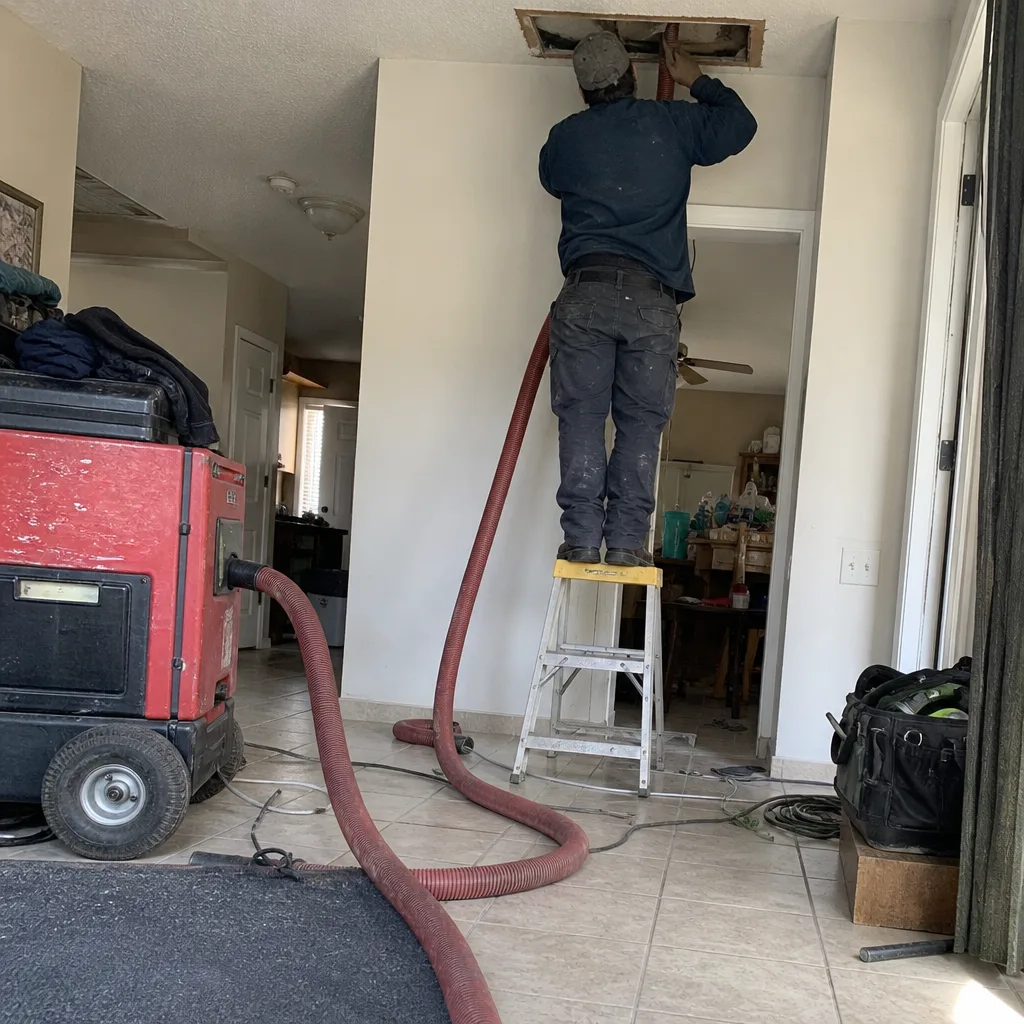 Before
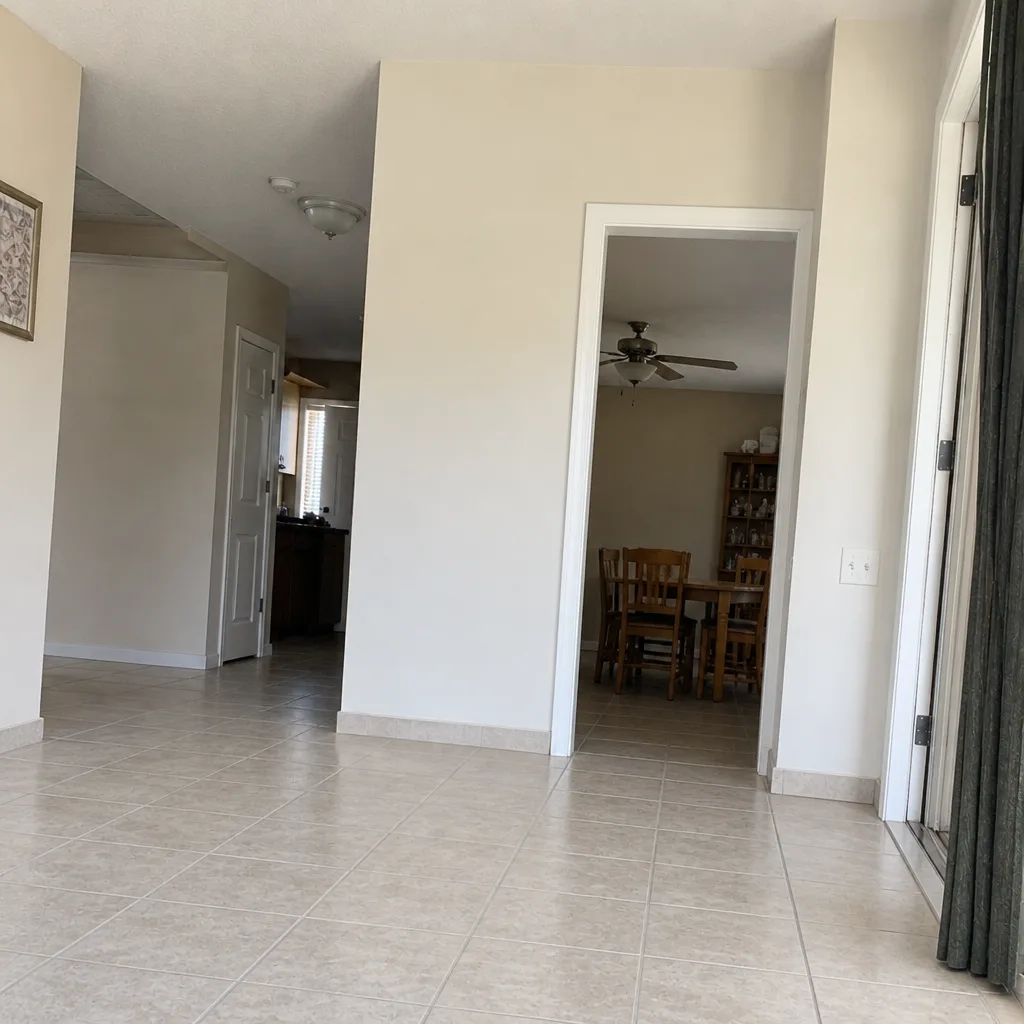 After
When to Call a Professional
Call a professional when you’ve had a storm, flood, renovation, or pest event that touched the duct system. Call when a musty odor persists after you’ve checked filters and returns. Call when the temperature differential you’ve logged has drifted noticeably over a season. And call if it’s simply been three to five years since the last cleaning, or if the work has never been done and you’re unsure of the history. Any of these is a legitimate reason to have the system inspected. Duct Cleaning Palm Bay offers free estimates in Palm Bay. Call (844) 834-5154. We answer 24/7. Fast dispatch from 7am to 7pm, Sunday through Friday. For the dedicated service that addresses a common fire risk in many homes, our dryer vent cleaning is worth putting on the same calendar.
Frequently Asked Questions
Every three to five years for most Palm Bay homes, and more often if you have pets, allergy-sensitive occupants, or a recent renovation, flood, or pest issue. Because the system runs nearly year-round in Florida, the intervals are tighter than what you’d follow in a colder climate. If you can’t remember the last cleaning, that’s a reason to schedule an inspection now. Call (844) 834-5154 for a free estimate.
Pricing is set per system, not per vent, and the written estimate you receive after an inspection is the price you pay. That’s deliberate. Per-vent pricing lets a quote look low until the technician counts the vents, and the final invoice is a surprise. We quote the whole system as a flat price, agreed before work starts. Call (844) 834-5154 for an exact estimate, and it’s free.
A very low quote is usually a shop-vac job in disguise, or a teaser price that grows once the technician is on site. The equipment matters: a real clean uses rotary contact agitation, HEPA filtration, and negative-air containment. If a company won’t show you that equipment or quote the entire system up front, treat the low number as the opening of a negotiation, not the final price. Call (844) 834-5154 for an honest whole-system estimate.
Before-and-after photos of your own ducts. A professional clean photographs the as-found condition at each section and the finished condition, then walks you through the comparison. You should also see the equipment during the job, including the collection and containment setup. If you can’t see the work, you can’t verify it. Call (844) 834-5154 to schedule an estimate and ask what the documentation will look like.
Yes, if any storm caused water intrusion, wind-driven debris, or visible dust in the home. A post-storm inspection is a specific trigger, and it’s not the same as a routine cleaning. If water reached the air handler closet or accessible duct runs, inspect before turning the system back on. Call (844) 834-5154 and describe what happened.
Cleaning removes debris from the interior of the ducts. Repair corrects the physical defects in the ductwork itself, such as disconnected runs, crushed sections, and failed joints. A home can need one or both. Because we do both, we can diagnose the actual problem rather than cleaning around it. Call (844) 834-5154 for a free estimate on either service.
The Bottom Line
Air duct maintenance in Palm Bay is a year-round rhythm, not a one-time chore. Filter checks every 30 to 60 days, visual inspections at registers and returns, a professional cleaning every three to five years, and immediate action after a storm, flood, renovation, or pest event. Keep a short log of what you see, because that record is what turns a vague concern into a fixable problem. And when you hire, ask to see the equipment. Professional-grade tools and before-and-after photos of your own ducts separate a real clean from a shop-vac visit. If it’s been a while, the checklist starts with a phone call.
Call (844) 834-5154 for a free estimate. We answer 24/7. Fast dispatch from 7am to 7pm, Sunday through Friday. We clean, we repair, and we’ll show you the photos when we’re done.
Written by the team at Duct Cleaning Palm Bay.