
Last updated November 15, 2026
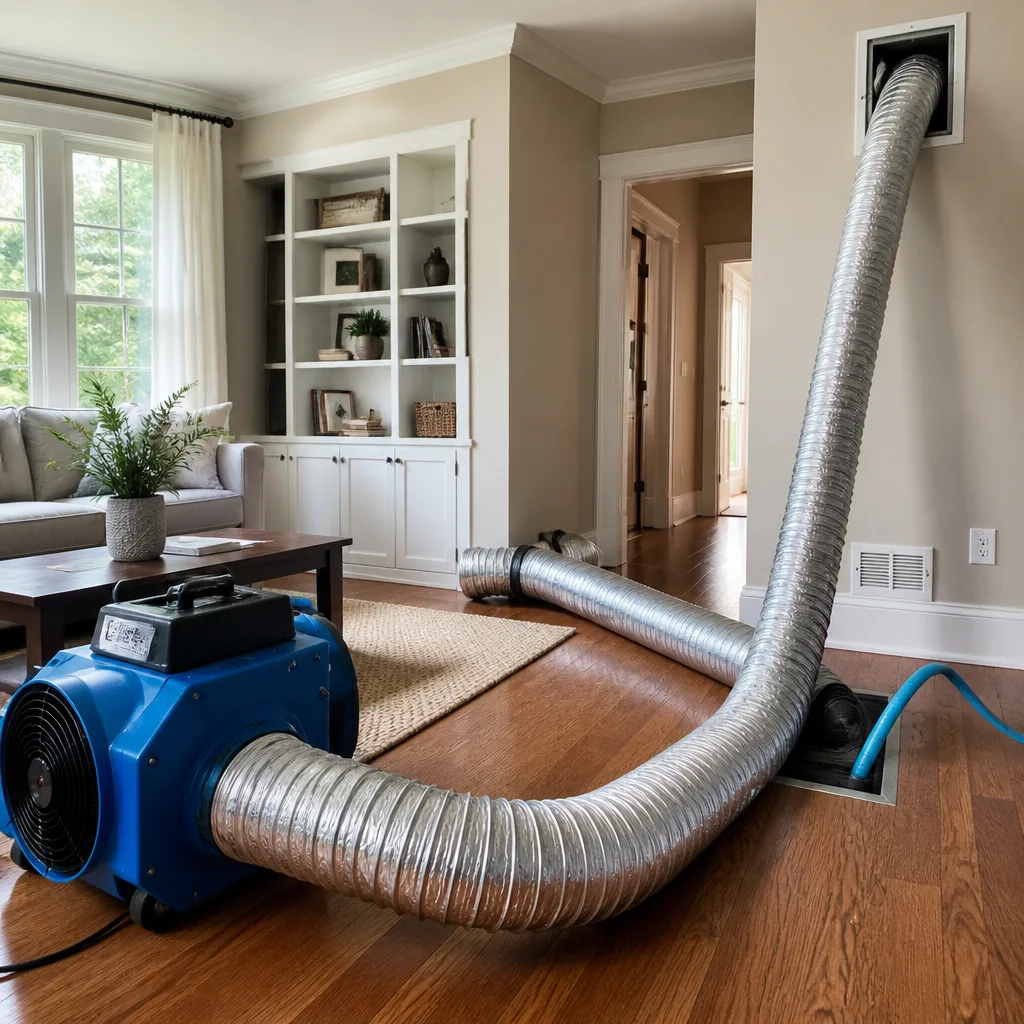 Whole-home duct cleaning
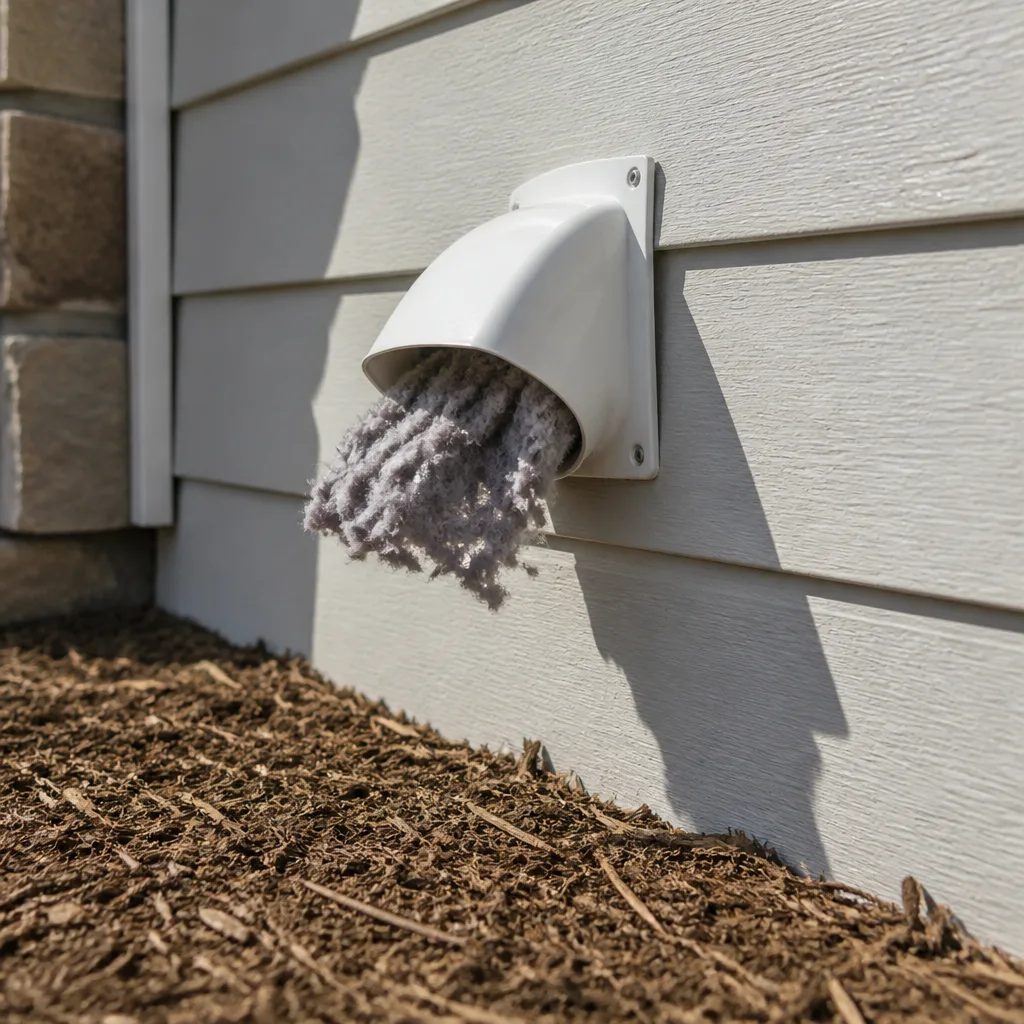 Dryer vent cleaning
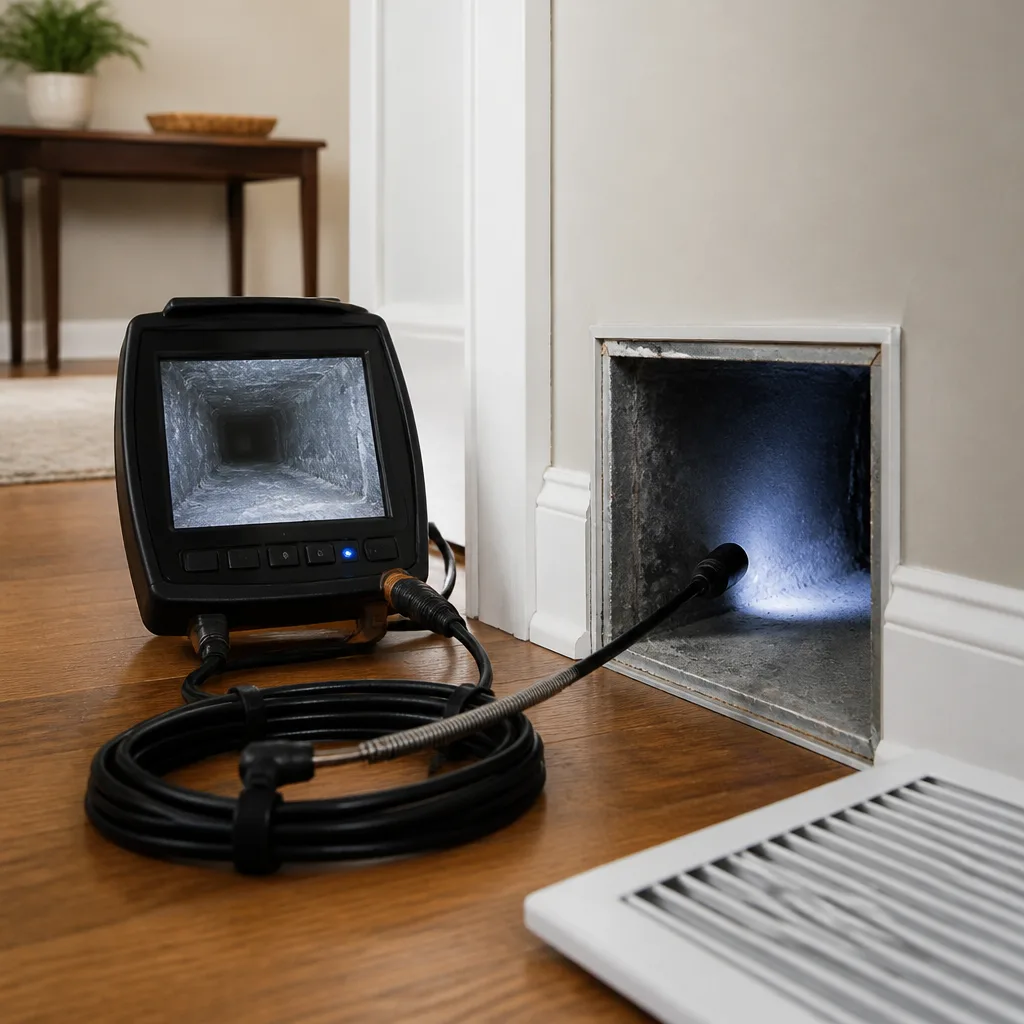 Camera inspection
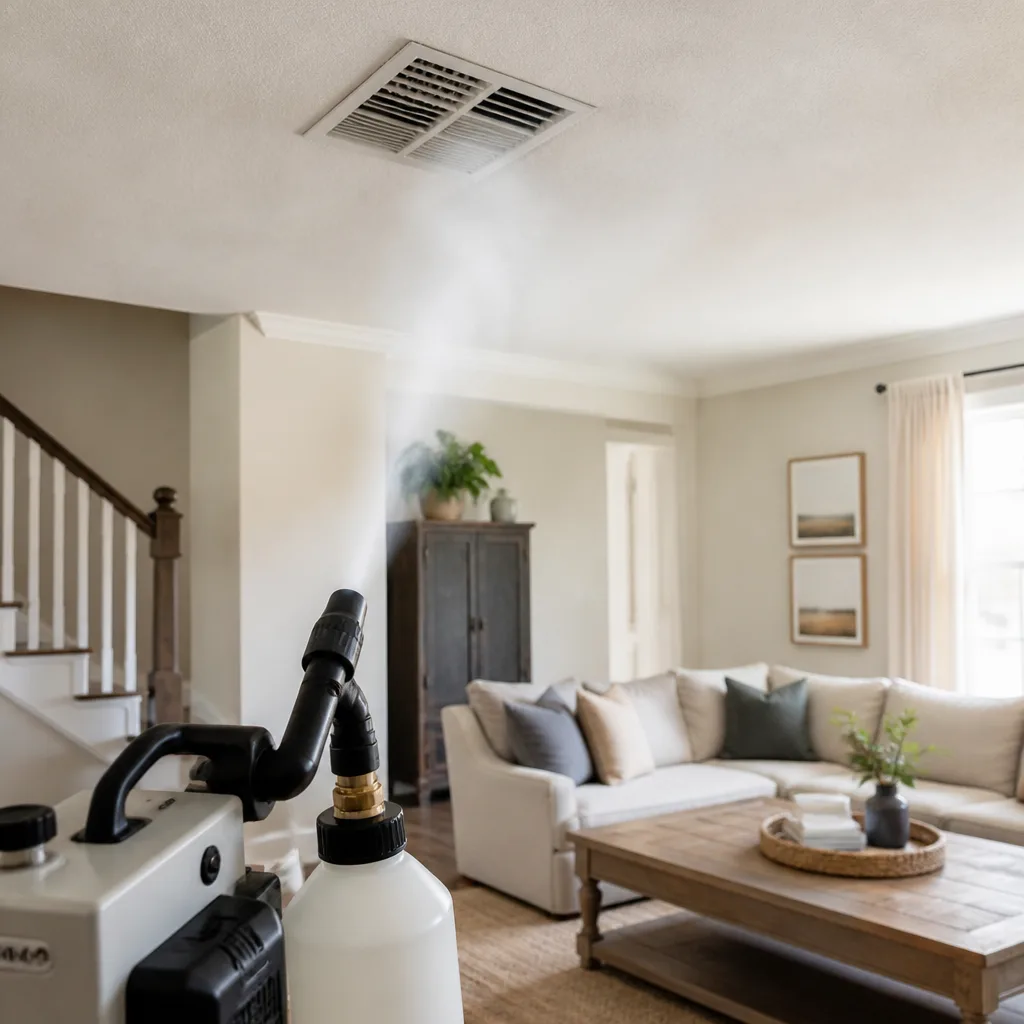 Sanitizing & deodorizing
Whole-system duct and dryer vent check with before-and-after photos - you see exactly what came out of your vents
That "$99 whole-house special" is a bait ad - the real number appears once they are in your hallway, or the "clean" is a shop-vac at the register. We photograph the inside of your ducts before and after instead.
Air Duct Cleaning Warning Signs: A Palm Bay Homeowner’s Reference Guide
Dust on your supply registers doesn’t always mean your ducts are dirty. Sometimes it means your duct system is pulling air from an unconditioned attic through a gap, and cleaning the inside of the duct won’t stop that dust from coming back next month. That distinction matters more than any checklist of symptoms you’ll find online. In this guide, we’ll walk through what specific warning signs actually indicate mechanically, so you can tell the difference between a cleaning issue, a sealing or repair problem, and a system failure that no amount of cleaning will fix. We’ll also cover the signs that show up more often in Palm Bay homes specifically.
Quick Answer
The main warning signs that you need air duct cleaning in Palm Bay are: visible dust puffing from registers when the system starts, musty odors after AC startup, uneven room temperatures that cleaning alone may not fix, visible mold at a register, pest activity in the ducts, and rising dust accumulation throughout the home. Some of these point to contamination inside the ducts, while others (like uneven temperatures and recurring dust from gaps) often indicate a duct repair problem that cleaning can’t solve on its own. Getting the diagnosis right is the difference between a job that lasts and one you’re repeating.
Styles & brands we work with
- Whole-home duct cleaning
- Dryer vent cleaning
- Camera inspection
- Sanitizing & deodorizing
Table of Contents
- Dust on Registers: Filtration Bypass vs. Duct Leakage
- What Musty Odor After AC Startup Actually Means
- Uneven Room Temperatures: Blockage, Collapsed Flex, or Balancing
- Mold at a Register: What It Tells You About the Contamination Source
- Florida-Specific Warning Signs: Pest Activity in Slab Homes
- The Full Warning Signs Checklist
- How a Professional Diagnosis Works
- Common Mistakes to Avoid
- When to Call a Professional
Dust on Registers: Filtration Bypass vs. Duct Leakage
Dust accumulating around your supply registers is the most commonly cited sign that ducts need cleaning, but it’s also the most misread. Two very different mechanical problems create that same visible result, and they require different solutions. Understanding which one you’re dealing with saves you from cleaning ductwork that will just collect the same dust again.
Filtration bypass happens when air escapes around the filter instead of moving through it. Your air handler pulls air through a filter slot, and if that filter frame has gaps, warped edges, or an improperly sized filter, unfiltered air bypasses the filter media and enters the duct system carrying dust straight from the return side. In this case, the contamination is coming from inside the house and getting past your filtration. The fix involves correcting the filter fit or sealing the filter frame, sometimes alongside cleaning to remove what’s already accumulated.
Duct leakage and unconditioned air infiltration work differently. If a supply or return duct has a gap, a disconnected joint, or a section of flex duct that’s slipped off a collar, the system can draw air from an attic or wall cavity and deliver that unfiltered air into your living space. Attic air in a Florida home carries insulation fibers, dust, and whatever else settles up there. When that air enters through a leak, you get dust at the registers, but cleaning the duct interior does nothing to close the gap. The dust returns because the leak is still there.
How to Tell Them Apart
There’s a rough diagnostic order that helps you narrow down the cause before anyone opens a register:
- Check the filter fit. Pull your filter and look at the frame. Is there visible gap around the edges? Is the filter the right size for the slot? A loose or undersized filter is a classic bypass source.
- Note where the dust appears. Dust concentrated at registers closest to the air handler, or only on certain branches, can suggest a leakage point on that branch rather than a whole-system problem.
- Look for pressure symptoms. Rooms that feel under-supplied while others are overly strong often point to leakage or disconnected runs, not contamination.
- Check for attic access and duct routing. In many Palm Bay homes, ductwork runs through the attic. If you can safely look at the visible duct runs, disconnected joints and sagging flex are sometimes visible.
This is why a proper diagnosis matters before a cleaning. If your ducts are contaminated, cleaning is the answer. If you have a leakage problem, Duct Cleaning Palm Bay also provides air duct repair, which means we can find and correct the compromised section rather than cleaning around a problem that keeps returning.
What Musty Odor After AC Startup Actually Means
That musty smell when the air conditioning kicks on is a helpful diagnostic signal, but it doesn’t automatically mean your ducts are dirty. Odors in a ducted system come from three primary places, and each points to a different kind of fix. Smelling the mustiness is the easy part. Understanding which of the three is causing it tells you whether cleaning is even the right service.
Evaporator Coil Biofilm
The evaporator coil sits at the air handler and stays wet during cooling season. In a Florida climate where the AC runs most of the year, the coil stays damp, and moisture on coil surfaces is a natural environment for biological growth. When that growth develops, musty air moves straight into the supply ducts. Cleaning the ducts alone won’t solve it if the coil itself is the source. Coil cleaning is a separate scope, and it’s worth asking about specifically before your appointment.
Duct Liner Contamination
Many duct systems, especially older flex duct with internal liner, have a porous surface where dust and moisture combine. Over time, contamination can develop directly on the liner material. In this case, the ducts are genuinely the source, and proper cleaning with rotary contact equipment addresses it. This is where a professional-grade system like a Rotobrush rotary brush matters: it makes physical contact with the duct interior and removes what’s adhered rather than just vacuuming loose debris.
Drain Pan Issue
Condensate drain pans under the air handler collect water and can develop standing moisture or growth that produces odor. If the pan doesn’t drain correctly or has debris in it, the smell travels into the airstream. This is a mechanical issue separate from duct cleaning and needs to be addressed on its own.
Distinguishing these three generally takes an on-site look at the air handler and the duct system. When you call, describe when the smell appears (at startup, continuously, or only in certain rooms) and whether it’s stronger near specific registers. That information helps narrow the cause before the appointment.
Uneven Room Temperatures: Blockage, Collapsed Flex, or Balancing
Rooms that never quite reach the temperature the thermostat is set to are one of the most common complaints in Florida homes, and duct issues are often part of the picture. But uneven temperatures aren’t all one problem. Depending on the cause, cleaning may help, may not be relevant, or may need to be paired with duct repair to mean anything. Here’s how the three main causes differ.
Blockage. Debris, collapsed liner sections, or even pest nests inside a duct run can restrict airflow to one or more rooms. When a run is blocked, the room receives less conditioned air than designed. Cleaning can remove blockages, but if the blockage is a physical collapse of the duct itself, cleaning only exposes the problem.
Collapsed flex duct. Flexible duct in an attic can sag, kink, or crush over time, especially where it runs short distances or turns sharply. A crushed section acts as a constant restriction, and it’s a repair issue, not a cleaning issue. In Palm Bay, with ductwork in hot attics, flex can also degrade from heat. Finding this requires physically inspecting the duct runs, not just cleaning the interior.
Balancing. Sometimes the duct system is clean and intact, but the airflow isn’t distributed correctly. Dampers that are fully open or closed, undersized branches feeding certain rooms, or a single-zone system trying to serve a home with significant internal temperature differences all cause uneven temperatures that cleaning won’t change. This is an airflow balancing conversation, not a duct cleaning one.
A Quick Diagnostic Order
- List which rooms are affected. One room consistently warm vs. half the house under-performing are different problems.
- Check register airflow. Hold your hand near the register. Weak flow in an affected room suggests a supply-side duct restriction, while adequate flow with no cooling suggests a different issue.
- Note changes over time. A room that used to cool well but doesn’t anymore suggests a change happened (collapse, blockage, disconnected run).
- Ask for a duct inspection with the cleaning. A professional assessment can tell you whether the ductwork is delivering what it was designed to deliver.
In our experience, uneven temperature complaints in Palm Bay often turn out to be a mix: some accumulated contamination, plus one or two compromised duct runs. That’s exactly why companies that clean but don’t repair tend to leave these homeowners with the same complaint a few months later. We clean, and we repair, which means a single visit can find the whole picture and correct it.
Mold at a Register: What It Tells You About the Contamination Source
Visible mold at a supply register is one of the clearer warning signs that something in your duct system or air handler has been holding moisture. But the key question is where the source actually is. Mold appearing at a register means the conditions for growth reached that point in the system, and figuring out where those conditions originate determines what actually solves the problem.
In most cases, mold at a register doesn’t mean the register itself is the source. Registers are just the openings where the airstream enters a room. Growth around them usually indicates that moisture and dust combined somewhere upstream: on the evaporator coil, in a wet section of duct, or on duct liner material that stayed damp. The register is where you can see it, not necessarily where it started.
What this means practically:
- Don’t just wipe the register and move on. The visible growth is a signal, not the whole problem. If the upstream source still has moisture and food for growth, it will return.
- Identify where moisture is coming from. An oversized AC system short-cycling in Florida’s humidity, a coil that isn’t draining properly, or ductwork in humid attic spaces can all create the moisture conditions for growth.
- Cleaning removes what’s there; correcting moisture prevents return. Professional duct cleaning with HEPA-filtration equipment like Nikro units captures and contains what’s removed. But if the moisture source remains, the conditions remain.
If you’re seeing mold at one or more registers in a Palm Bay home, a professional inspection that looks at both the duct interior and the air handler is the right next step. Ask specifically what moisture conditions might be feeding the growth, not just for a cleaning quote.
Florida-Specific Warning Signs: Pest Activity in Slab Homes
Pest activity inside duct systems is a common warning sign across much of Florida, and it shows up more often in slab-foundation homes where ductwork runs under the floor. That configuration is standard in many Palm Bay neighborhoods, and it creates a specific set of conditions: a length of duct that’s less visible, often less inspected, and occasionally more vulnerable to intrusion from the ground below or through gaps in the building envelope.
What makes pest contamination worth taking seriously isn’t just the visible evidence. When roaches or rodents enter a duct system, they leave droppings, shed particles, and introduce biological material into the airstream. The contamination extends beyond wherever they entered. By the time you see evidence at a register, the spread is usually wider than it appears.
Signs to watch for in a slab-duct home:
- Droppings near registers or floor vents, especially in kitchens, bathrooms, or utility areas.
- Musty or unusual odors that don’t match the usual AC-startup mustiness.
- Pest activity elsewhere in the home that keeps returning despite treatment. If the entry point involves ductwork, treating only the living space leaves the pathway open.
- Scratching or movement sounds near floor level, particularly at night when pests are active.
If pest activity is confirmed, proper cleaning with HEPA-filtration equipment – the kind that captures and contains rather than recirculating – is essential. A shop-vac approach can stir up contaminated material into the living space instead of removing it. Professional-grade equipment like Abatement Technologies negative-air machines creates controlled airflow during the process, which keeps contamination from spreading room to room.
For homes in Palm Bay dealing with pest activity in the duct system, cleaning and, if needed, air duct cleaning paired with an inspection of the ductwork for entry points is the practical sequence. Cleaning removes the contamination; finding the entry point is what keeps it from happening again.
The Full Warning Signs Checklist
Here’s a consolidated list you can use to assess what you’re seeing at home. Presence of one sign doesn’t automatically mean ducts need cleaning; several signs together, or one sign that’s recurring, is a stronger signal.
- Visible dust puffing from registers when the system starts, particularly if it returns after cleaning.
- Dust accumulating faster than normal on furniture, floors, or horizontal surfaces throughout the home.
- Musty odor after AC startup, which may indicate coil, liner, or drain pan issues rather than ducts alone.
- Visible mold at or around registers.
- Uneven room temperatures, especially if a room that used to cool well no longer does.
- Pest activity or evidence of pests in or near ductwork, more common in slab homes.
- Allergy or respiratory symptoms that seem worse indoors, or that improve when you’re away from home.
- Recent renovation or construction work in the home, which introduces significant dust into the duct system.
- Visible debris, insulation, or foreign objects in supply or return registers.
- Age of the home and duct system without a documented cleaning history. Ducts that have never been cleaned in an older Palm Bay home are worth having inspected.
Notice that several items point to repair or moisture issues rather than dirt alone. That’s deliberate. A credible warning signs list has to distinguish between what cleaning solves and what it doesn’t, or it just pushes people toward service they may not need.
How a Professional Diagnosis Works
A proper diagnosis before cleaning is what separates a real assessment from a sales call. Here’s what a thorough evaluation typically involves, so you know what to expect and what questions to ask.
- Return and supply side inspection. A technician should look at the return side (where air enters the system) and the supply side (where it exits to rooms), plus the air handler area.
- Air handler and evaporator coil check. Identifying moisture, biofilm, or drain pan issues that could be affecting duct conditions.
- Visible duct run inspection. In accessible areas, checking for disconnected joints, crushed flex, gaps, or damage.
- Assessment of current contamination level. Looking at duct interiors where possible, not just what’s visible at the register.
- Discussion of options. A clear explanation of whether cleaning is warranted, whether repair is also needed, and if so, what’s involved.
When your technician arrives, the equipment being used tells you a lot. Rotobrush rotary systems make physical contact with duct surfaces; that’s the difference between removing what’s adhered and just vacuuming loose material. HEPA-filtration equipment captures what’s removed. If a company’s setup resembles a shop vac and a promise, ask questions. Ask to see the equipment. It’s a fair question, and a professional who works with the right tools will be glad to show you.
Common Mistakes to Avoid
These are the missteps we see most often, and most of them come down to treating smoke as fire, or fire as smoke:
- Assuming all dust means dirty ducts. Cleaned ducts can collect the same dust next month if a bypass or leakage point wasn’t addressed. Identify the source, not just the symptom.
- Wiping mold off the register and considering it handled. Visible growth at a register signals a moisture source upstream. Cleaning without correcting the moisture leaves the conditions intact.
- Hiring a duct cleaning service that doesn’t offer repair. If your uneven temperatures come from collapsed flex or a disconnected run, the cleaning result looks great but the room stays warm. Make sure the company can diagnose and fix duct defects, not just clean around them.
- Accepting a low bid without seeing what equipment comes with it. A low bid and a shop vac setup are often the same thing. The equipment determines the thoroughness of the job.
- Ignoring pest evidence. In Palm Bay’s slab homes, a roach or rodent issue in the ducts is a contamination issue that requires removal, not just pest treatment. Deal with both.
- Skipping the dryer vent. It’s a separate system from your ductwork, and it deserves its own attention. This is not an upsell afterthought; it’s a leading cause of residential fires. Our dryer vent cleaning is a dedicated service with its own equipment.
- Cleaning without a documented before-and-after. Ask for photos of your own ducts. It’s reasonable to want proof the work was done and the condition after.
When to Call a Professional
Call us when you’re seeing multiple warning signs at once, when a symptom keeps returning after cleaning, or when you’re not sure what you’re looking at. The warning signs that most warrant a call: dust returning within a month of cleaning, visible mold at a register, musty odors you can’t trace to a single source, pest evidence in the ducts, and rooms that don’t reach temperature while the system runs normally. In those cases, the right sequence is inspection, honest diagnosis, and a clear explanation of whether cleaning alone solves it or whether air duct repair is part of the job. If your home in Palm Bay has combinations of these signs, or you’ve moved into a home with no known cleaning history, that’s the moment to have someone look at the whole system.
Duct Cleaning Palm Bay offers free estimates in Palm Bay. Call (844) 834-5154. We answer 24/7. Fast dispatch from 7am to 7pm, Sunday through Friday.
Frequently Asked Questions
The distinction comes down to what the symptom points to mechanically. Dust puffing at startup and musty odors after AC startup suggest contamination inside the duct system or at the air handler, which points toward cleaning. Dust that returns within weeks of cleaning, uneven room temperatures, or visible gaps and disconnects point toward a leakage or duct defect problem, which cleaning alone won’t solve. In many Palm Bay homes, it’s both, which is why a diagnosis before cleaning is worth having. Call (844) 834-5154 for a free estimate.
In Palm Bay’s climate, the most common cause of musty AC startup odor is moisture on the evaporator coil combined with dust, which invites biological growth that enters the airstream at startup. Duct liner contamination and drain pan issues can also produce it. The source distinguishes what’s needed: coil cleaning, duct cleaning, or drain pan service. Identifying which one applies takes an on-site look at the air handler. Call (844) 834-5154 to schedule a free estimate.
Sometimes, but not always. Uneven temperatures are often caused by a collapsed flex duct, a disconnected run, or a balancing issue, none of which cleaning corrects. When the cause is a restriction from debris or accumulated contamination, cleaning can help. The right move is to have the duct runs inspected to see which cause applies. Call (844) 834-5154 for a free estimate.
Visible mold at a register means moisture conditions have supported growth somewhere in the system, and treating the register surface alone doesn’t address the source. Professional cleaning removes the contamination present; correcting the moisture source prevents it from returning. Our technicians have up to 9 years of experience and can assess both the duct interior and the air handler area to find the source. Call (844) 834-5154 for a free estimate.
Slab-foundation construction, which is common in many Palm Bay neighborhoods, puts a section of ductwork below the floor, and that configuration makes intrusion more likely. When roaches or rodents enter a duct system, they introduce contamination beyond the entry point, which is why cleaning with HEPA-filtration equipment matters. Ask about a duct inspection if you’re seeing pest evidence. Call (844) 834-5154 for a free estimate.
A very low quote often reflects a lighter equipment setup – a shop vac or consumer-grade vacuum rather than professional rotary and HEPA-filtration systems. Cleaning with lighter equipment removes the surface layer but doesn’t make contact with adhered contamination, so the results don’t last. We use professional equipment including Rotobrush rotary systems, and we provide before-and-after photos of your own ducts so you can see what was done. Call (844) 834-5154 for a free estimate.
The Bottom Line
Warning signs matter, but the interpretation matters more. Dust, musty odor, mold, uneven temperatures, and pest activity each point to a specific mechanical cause, and only some of those causes are solved by cleaning. The others need repair or moisture correction, and getting that distinction right is what actually fixes the problem rather than resetting the clock. At Duct Cleaning Palm Bay, our full scope – air duct cleaning, air duct repair, and dryer vent cleaning – means the diagnosis and the solution come from the same visit. We clean, and we repair, with professional equipment from Rotobrush and Nikro, and we work alongside IAQ brands like Honeywell and Aprilaire for whole-home air quality. If you’re seeing signs in your Palm Bay home, call (844) 834-5154. We answer 24/7. Fast dispatch from 7am to 7pm, Sunday through Friday. Estimates are free.
Written by the team at Duct Cleaning Palm Bay.
See the difference
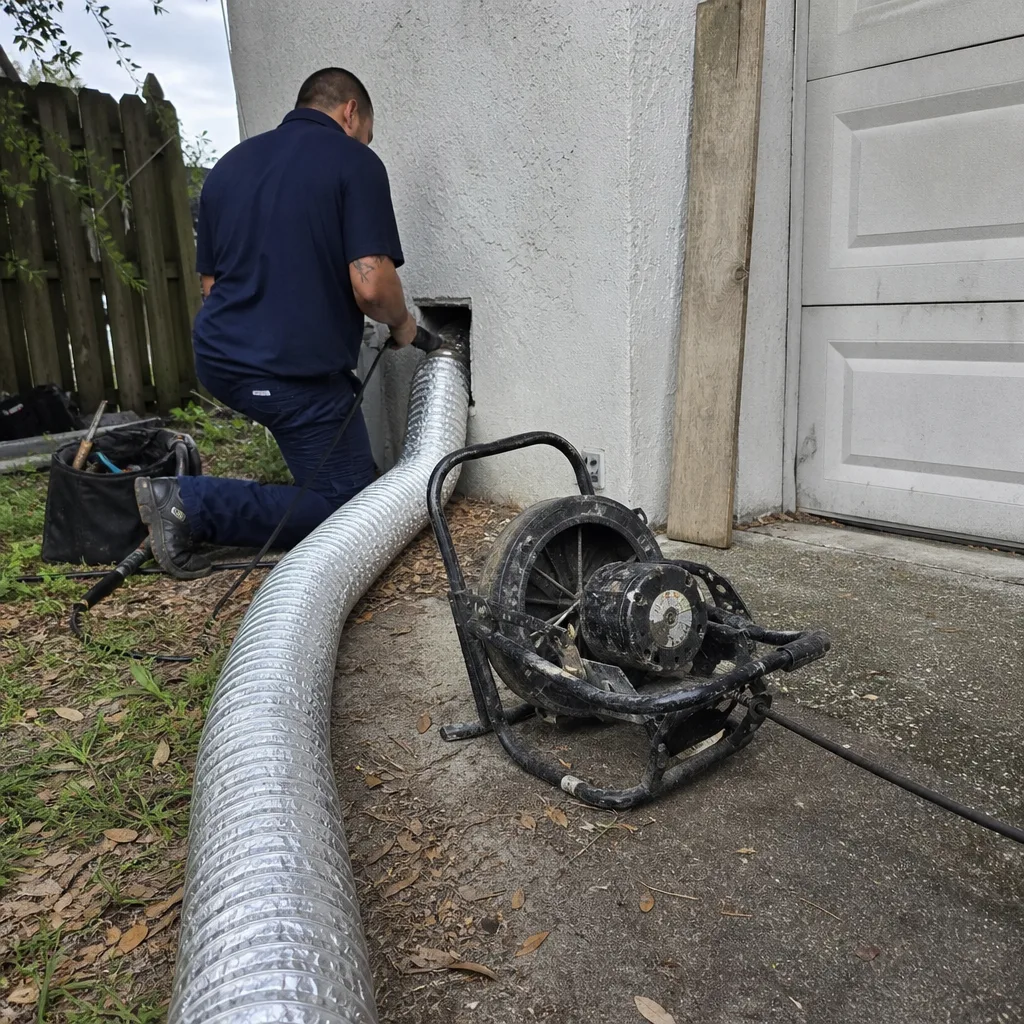 Before
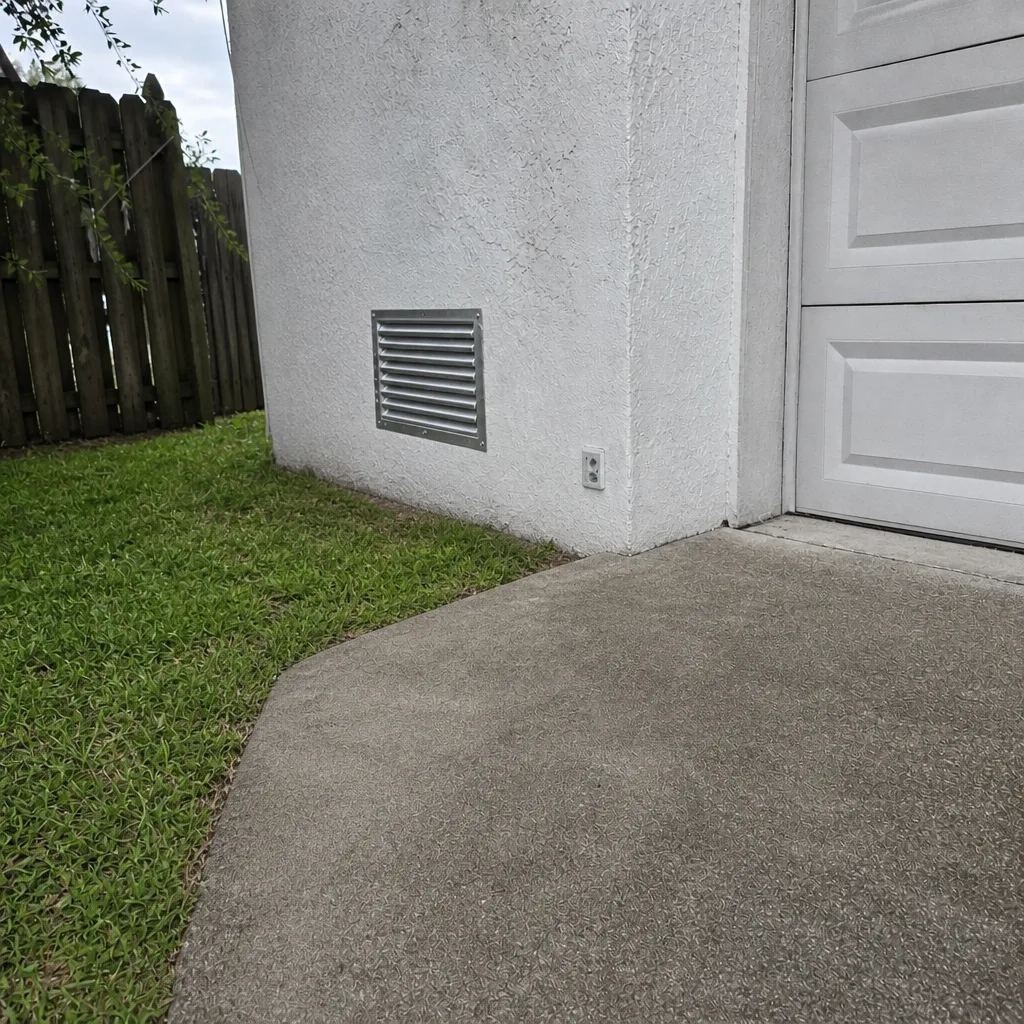 After
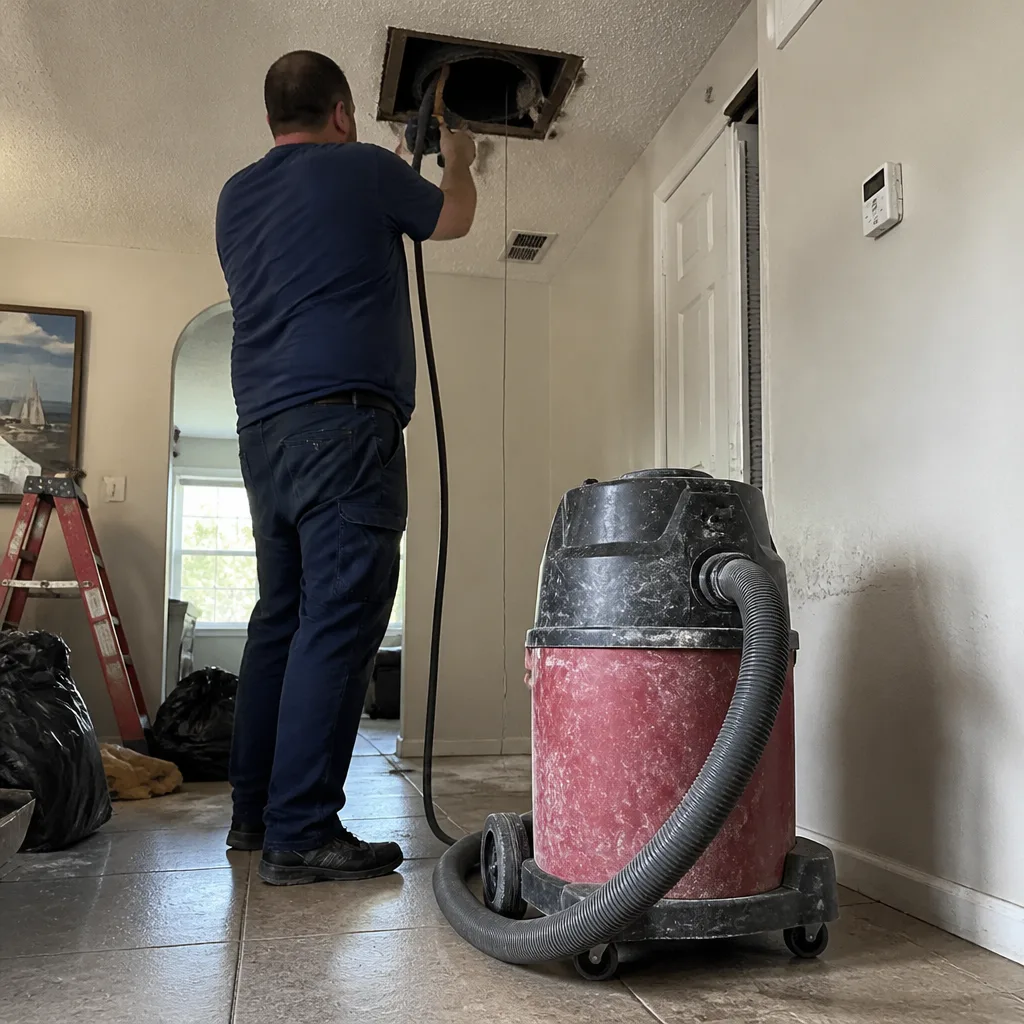 Before
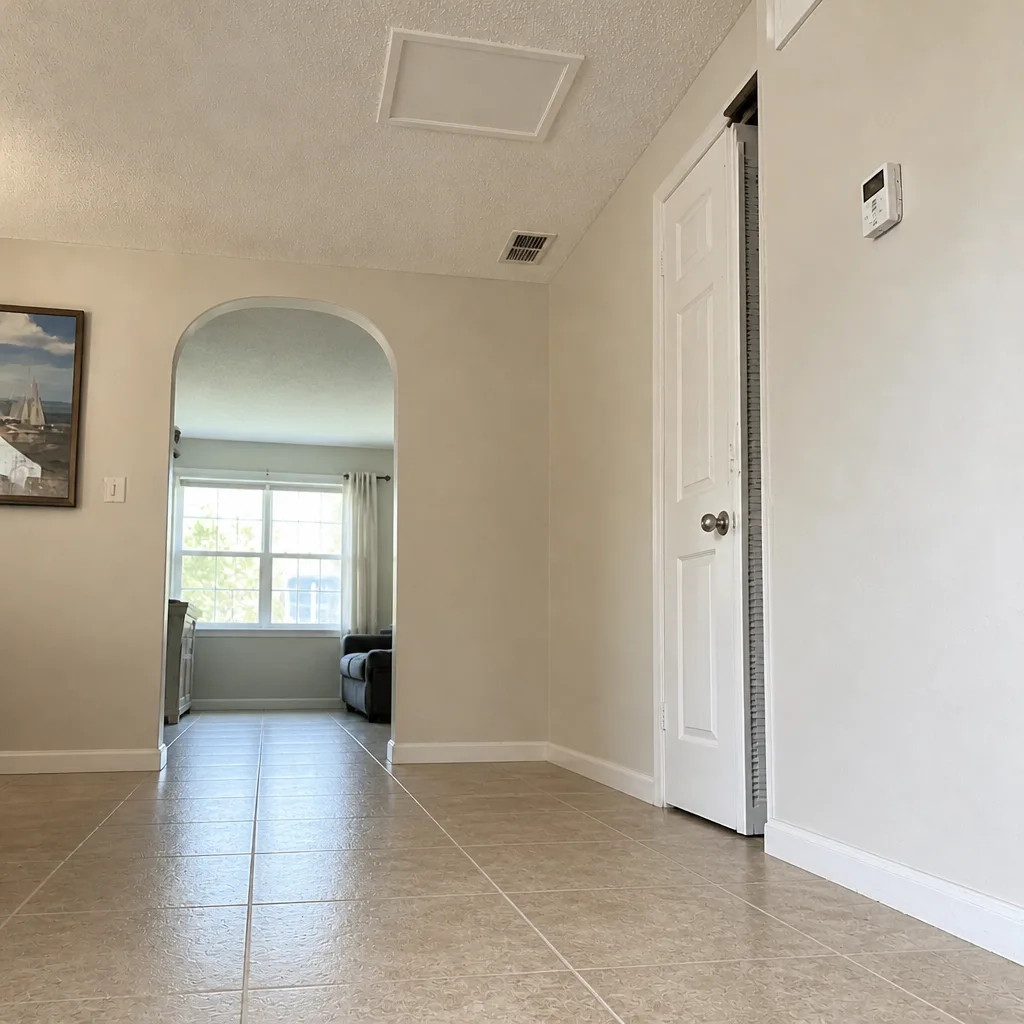 After
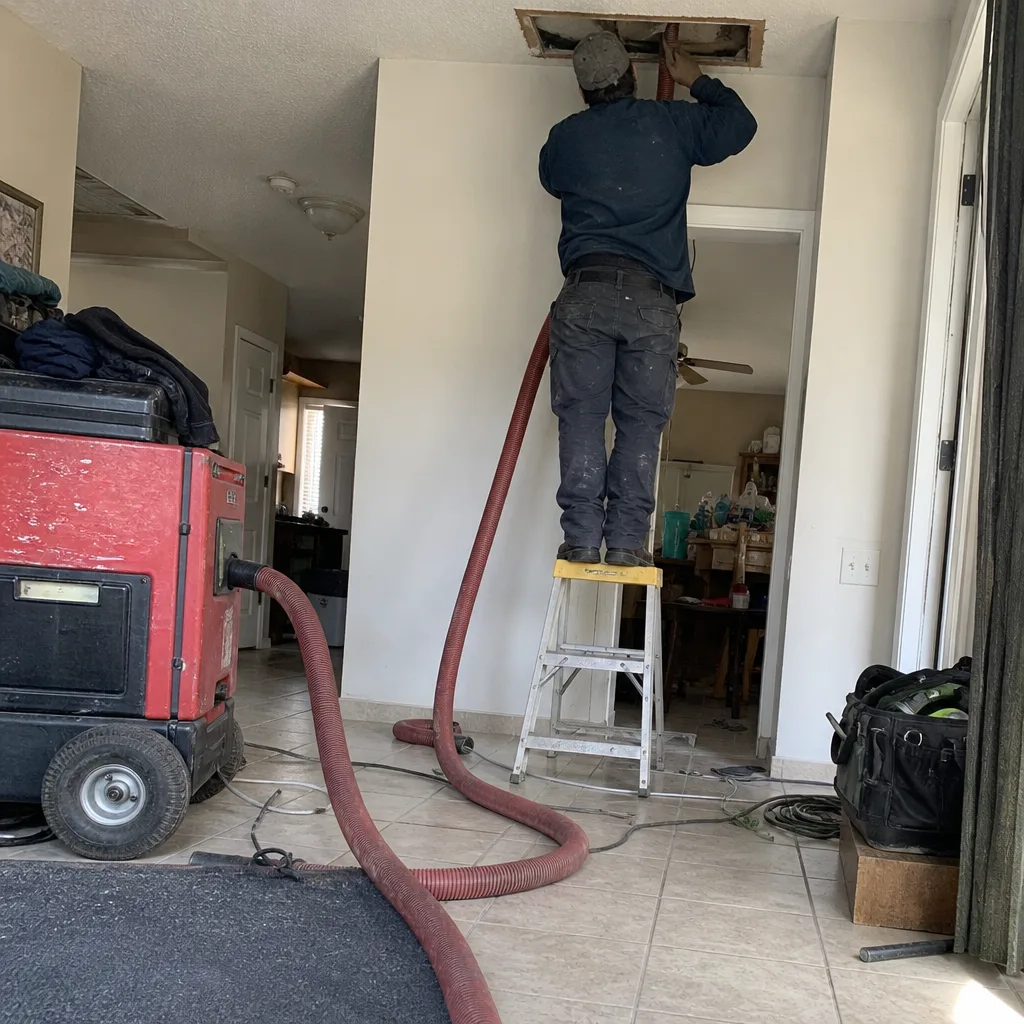 Before
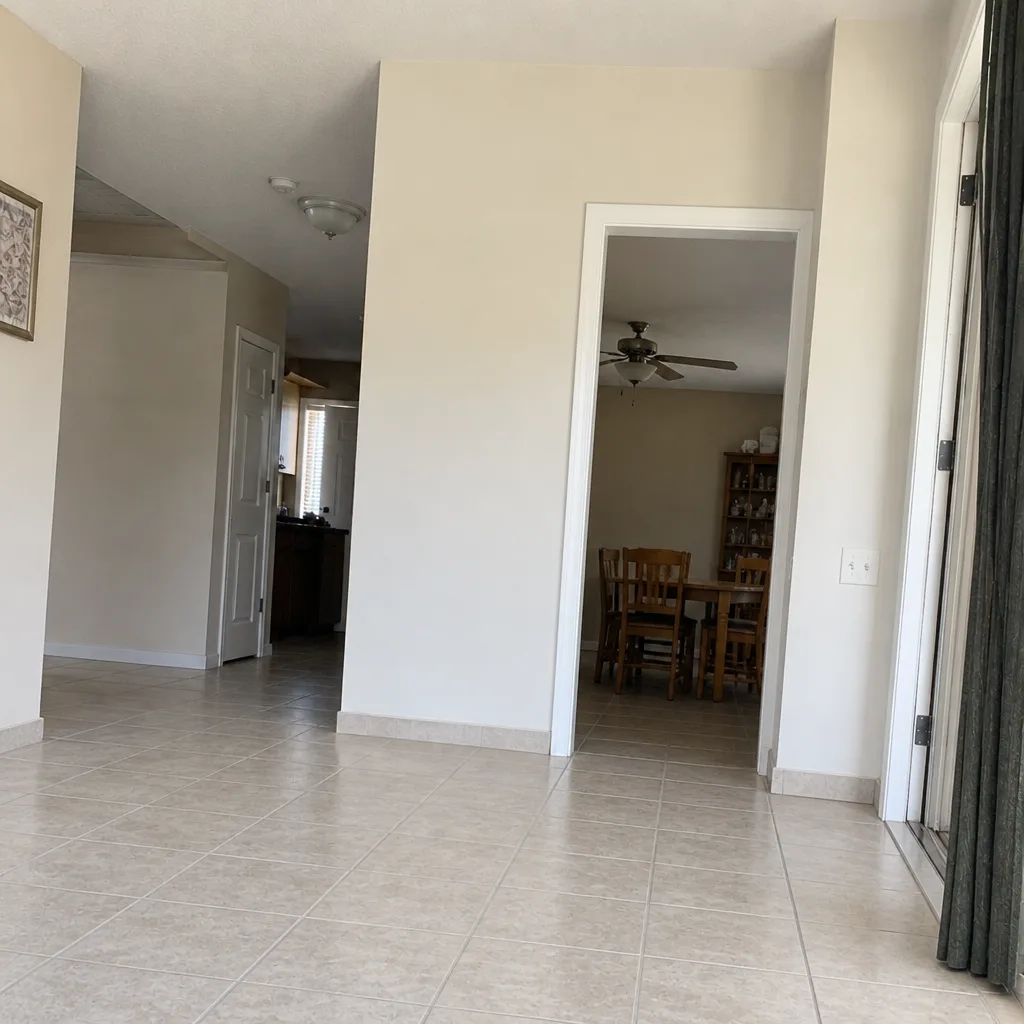 After