
Last updated November 15, 2026
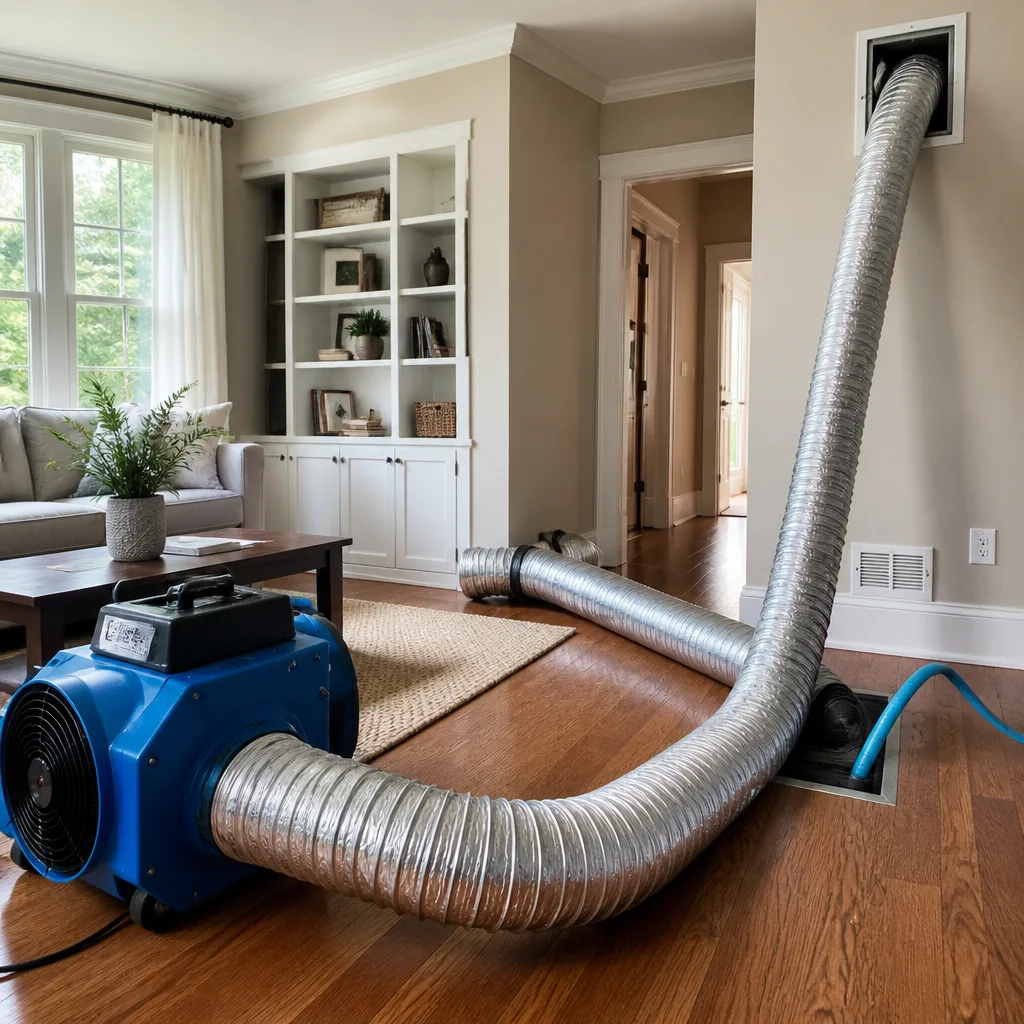 Whole-home duct cleaning
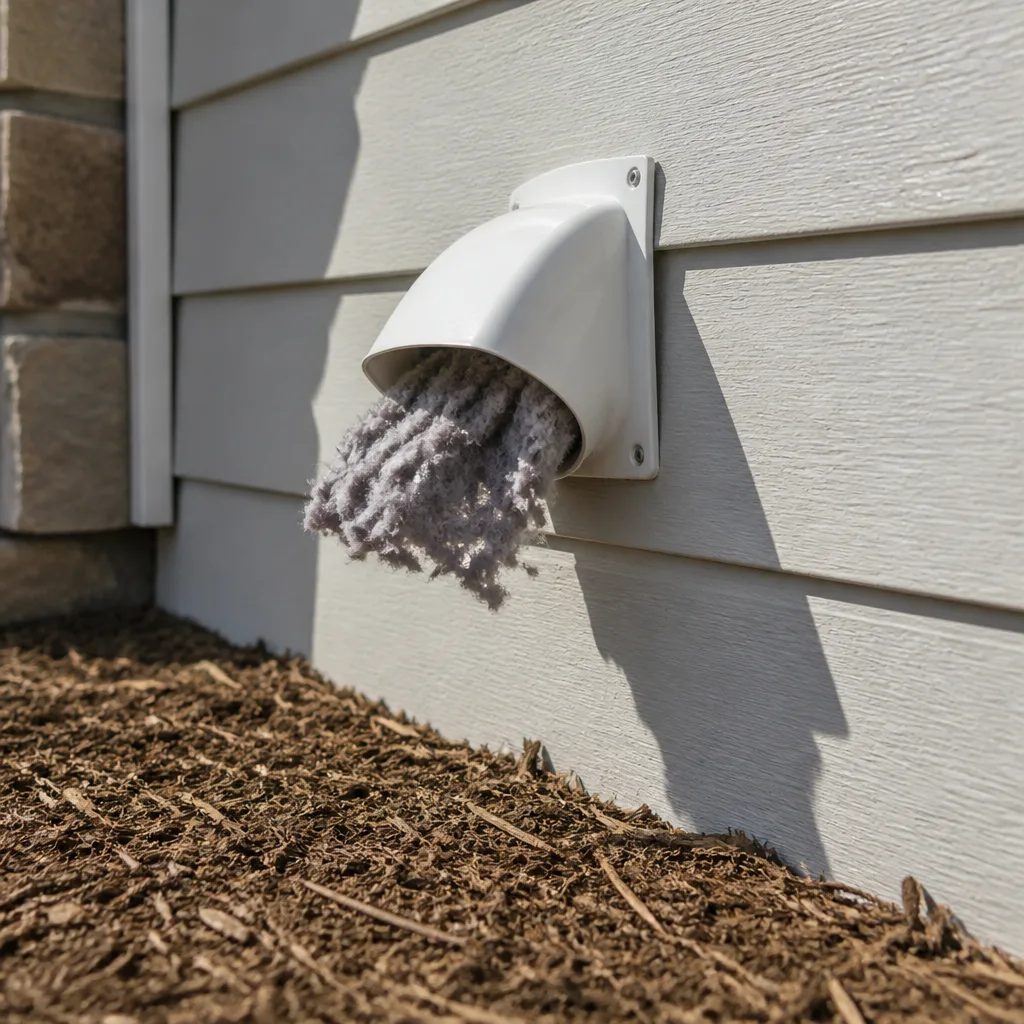 Dryer vent cleaning
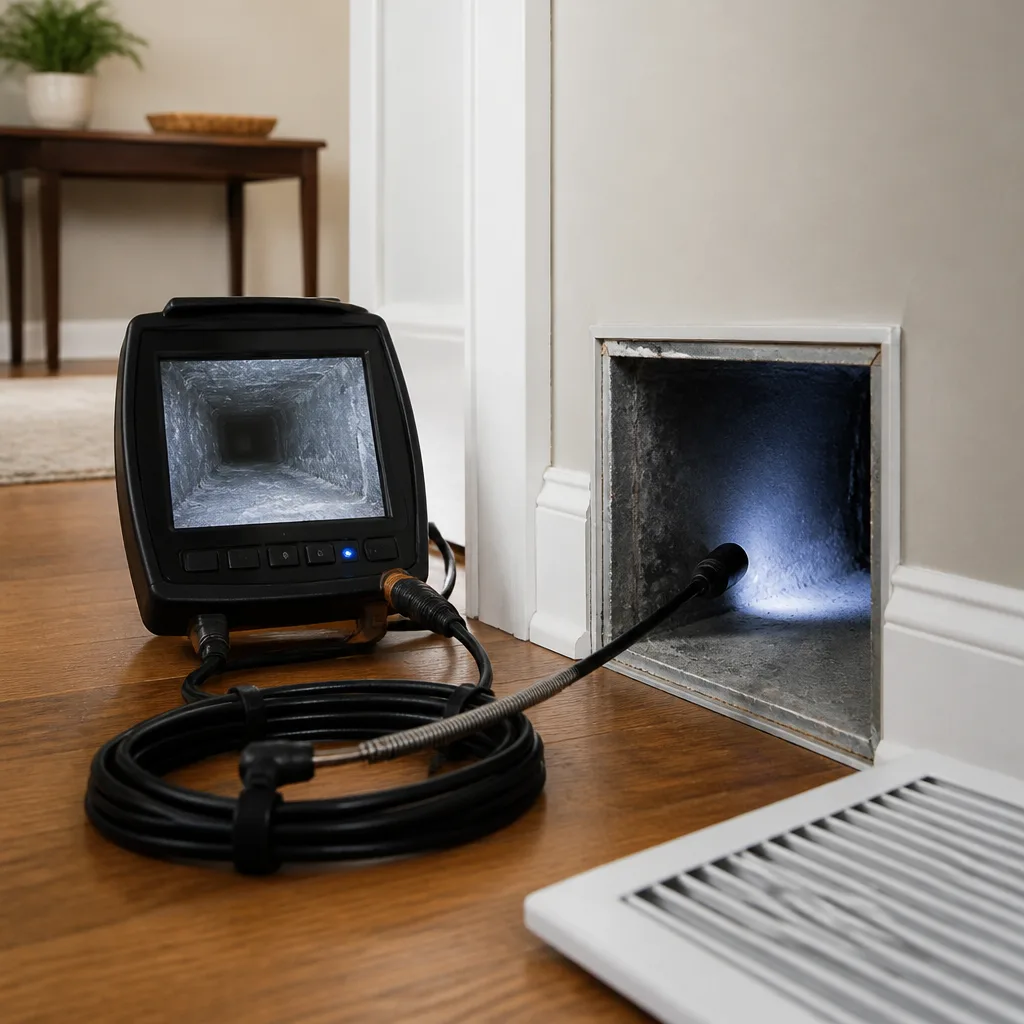 Camera inspection
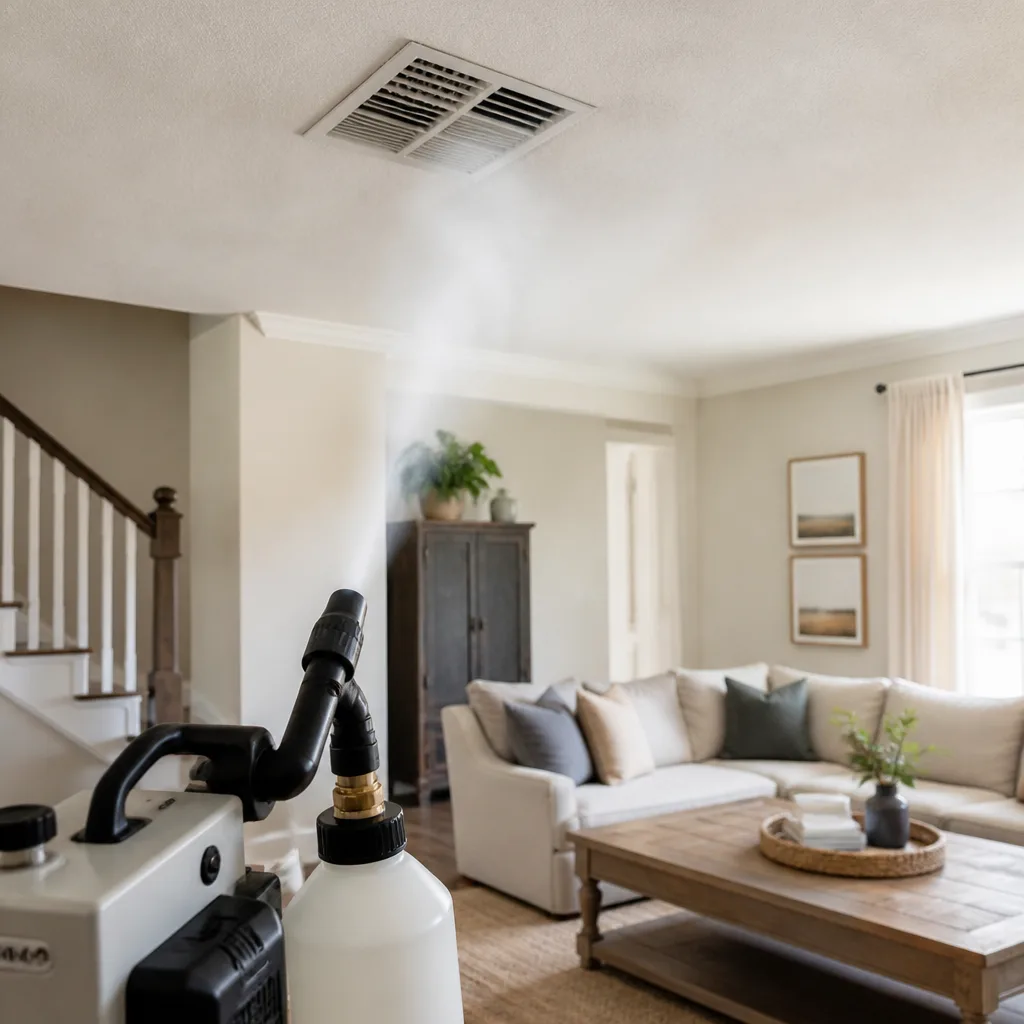 Sanitizing & deodorizing
Whole-system duct and dryer vent check with before-and-after photos - you see exactly what came out of your vents
That "$99 whole-house special" is a bait ad - the real number appears once they are in your hallway, or the "clean" is a shop-vac at the register. We photograph the inside of your ducts before and after instead.
The Complete Guide to Air Duct Cleaning in Palm Bay
Most homeowners here assume their ducts are clean because the air filter gets changed every few months. It’s a reasonable assumption. It’s also usually wrong. Filters catch what’s floating in the living space; they don’t stop the fine dust, pollen and moisture that settle on the inside walls of the supply runs over months of near-constant cooling. In a place where the AC runs almost every day of the year, that buildup doesn’t get the seasonal pause it does in colder parts of the country.
This guide explains the variables that matter for a Palm Bay home specifically: the humidity, the housing stock, and the difference between a real source-removal cleaning and a quick surface sweep. By the end you’ll know how to judge equipment, read a post-cleaning report, and ask the questions that separate a competent contractor from a low-bid generalist.
Quick Answer
Air duct cleaning in Palm Bay removes accumulated dust, biological growth, and settled particulate from the supply and return runs using professional vacuum and rotary-brush equipment. In this climate, a full source-removal cleaning is typically done when a home shows visible dust streaking, chronic allergy symptoms, or reduced airflow, and many homes here need it sooner than the national guidance suggests because warm, humid air and year-round cooling push buildup on a faster timeline. A written estimate sets the final price; a credible contractor will show you the equipment and document the work with before-and-after photos.
Styles & brands we work with
- Whole-home duct cleaning
- Dryer vent cleaning
- Camera inspection
- Sanitizing & deodorizing
Table of Contents
- Why Palm Bay’s Climate Changes the Timeline
- Humidity and What Grows Inside Ductwork
- How Palm Bay’s Housing Stock Shapes the Job
- What Professional Equipment Actually Does
- Source Removal vs. Surface Sweeping
- How to Read a Post-Cleaning Report
- Cleaning and Repair Belong Together
- The Dryer Vent Is Part of the Same System
Why Palm Bay’s Climate Changes the Timeline
National guidance often says to clean ducts every three to five years. That guidance was written for an average American climate with a real heating season and a real cooling-off period. Palm Bay doesn’t have that. The system runs for a very large share of the year, and warm, humid air circulates through the same metal and flex runs for months on end. Duct contamination here isn’t just dust settling; it’s a moist, biologically active environment where dust collects, clings and builds a layer that a dry-climate homeowner would see only after several more years.
What does that mean for scheduling? In practical terms, the variables that push a cleaning sooner are:
- Cooling hours per year – a home here cools for far more of the calendar than a house in the Northeast.
- Indoor humidity – a house that stays near an average relative humidity in the mid-70s builds condensation at the cold parts of the duct system where supply runs pass through unconditioned space.
- Filter neglect – the higher the runtime, the faster a filter loads and the more bypass dust enters the plenum.
- Pollen load – the long growing season means outdoor particulate enters the return regularly whenever doors and windows open.
- Return-path routing – slab-on-grade construction can route returns through short, tight runs where dust has nowhere to fall out.
None of these call for panicking or cleaning the ductwork every year. What they do mean is that a Palm Bay home with chronic dust, a musty smell at startup, or visible dust plumes from a supply register is showing signs it’s already past the point where a routine inspection would have helped.
Humidity and What Grows Inside Ductwork
Palm Bay averages around 74% relative humidity, and that number isn’t just a comfort statistic. Inside ductwork, high humidity drives the conditions where microbial growth takes hold: condensation forms on the cold, insulated surfaces of the supply runs, dust acts as a food source, and the interior becomes a stable environment where mold, mildew and dust mites can persist between cooling cycles. The system never fully dries out the way it does in a dry climate.
What this means practically:
- Odor at startup – a musty smell when the AC kicks on is a common symptom of biological growth on duct interiors and the evaporator coil area, not just dust.
- Visible dark staining – streaking around supply registers or the inside of return grilles that looks darker than ordinary dust.
- Increased allergy symptoms indoors – runny nose, congestion or eye irritation that improves when the family spends time away from home.
- Coil fouling – the same contamination that settles on ducts can coat the cooling coil, and a fouled coil usually means longer runtimes, higher bills and more moisture downstream.
We work with whole-home air quality components from Honeywell and Aprilaire because humidity control and filtration belong to the same conversation as duct cleaning. Filtration and dehumidification address the source; cleaning removes the accumulation that’s already there. Both need to be part of the plan in a Palm Bay home.
How Palm Bay’s Housing Stock Shapes the Job
Most of Palm Bay was built slab-on-grade, which is common in Brevard County. There’s no basement and typically no conditioned crawlspace under the main living area. That single structural fact changes what a duct cleaning job looks like in three ways.
First, duct routing is often tight and long. Supply runs in slab-on-grade homes are typically routed through the attic or, in some older construction, through shallow chases in the slab itself. Tight routing means less opportunity for dust to settle out of the airstream, so contamination tends to accumulate on the walls of the ducts as a more even coating rather than a loose layer at the bottom.
Second, the attic is where a lot of the duct system lives, and an attic in Palm Bay runs hot. Attic ducts are subject to high ambient temperatures and, when insulation is thin or degraded, to condensation on the outer jacket. That condensation creates the same moisture conditions inside the insulation and, in poorly sealed cases, inside the flex run itself.
Third, the two-story and single-story housing here often has a single central return, which means one return path is doing the work of pulling air from the whole house. A single-return system loads that duct and the filter cabinet far more heavily than a multi-return layout.
What we look for during a Palm Bay visit: attic insulation condition around the duct runs, sealant at the boot-to-floor connections, the filter cabinet and plenum walls, and the returns themselves. The cleaning method follows from what the routing actually looks like, not a one-size template.
What Professional Equipment Actually Does
There’s a real equipment gap in this trade. A lot of low-bid work is done with a shop vac and a hand-operated brush. That setup removes loose debris near the register but leaves compressed dust cake on the walls of the run, doesn’t create the negative pressure to contain what it loosens, and can redeposit contamination back into the living space. A source-removal job uses equipment built for the job.
Here’s what we use and why:
- Rotobrush rotary contact cleaning systems. The rotating brush head is driven through the duct interior on a flexible shaft, agitating the walls of the run and lifting settled dust and biological growth rather than just loosening the top layer. It’s the standard used by professional HVAC and restoration contractors for source removal because the mechanical contact is what breaks the accumulation from the duct wall.
- Nikro HEPA-filtration vacuums. These capture and contain the material the rotary brush loosens instead of recirculating it. The HEPA final-stage filtration is what keeps the process from pushing fine particulate into the living space.
- Abatement Technologies negative-air machines. Negative air creates controlled pressure so contamination is drawn toward the collection equipment rather than migrating into other parts of the house. In a tight Palm Bay attic with the system running, this is what prevents cross-contamination during the job.
Ask any contractor to show you their equipment before work starts. If they can’t open the truck and show you a rotary brush system, HEPA vacuums or negative-air machines, the “cleaning” you’re getting is a brush and a promise. The same equipment logic applies whether it’s a full-house system cleaning or a dryer vent cleaning job, which uses its own dedicated tooling rather than a vacuum nozzle.
Source Removal vs. Surface Sweeping
“Air duct cleaning” describes two very different things in the trade. The NADCA standard for the process is source removal: the cleaning is done by mechanical agitation combined with a vacuum source capable of moving the entire airstream in the duct system, so the material loosened from the walls is captured, not just moved. A surface sweep is exactly what it sounds like – a brush and a shop vac at the register end, with the duct interior left mostly untouched.
The difference shows up over the following months. A source-removal job on a Palm Bay home leaves the duct walls visibly and measurably cleaner from register to plenum. A surface sweep lets a homeowner feel good at first and then watch dust return to the registers and grilles around the same time as it did before. In a humid climate the surface-sweep approach is worse than wasted money, because the disturbed-but-not-removed material keeps feeding biological growth.
Numbered, the two processes look like this:
- Source removal. Seal and protect the system, establish negative pressure, agitate every supply and return run with rotary contact tools, vacuum from the collection point through the plenum and trunk line, and document the result with before-and-after photos.
- Surface sweep. Run a brush a short distance into each run from the register, vacuum what loosens, and finish – typically without negative pressure and without touching the plenum, trunk or coil area.
When you call, ask specifically whether the job is source removal and whether the plenum and trunk lines are part of the scope. That answer tells you which process you’re paying for.
How to Read a Post-Cleaning Report
A credible contractor hands you a report at the end of the job. This is where the industry’s bait-and-switch reputation gets settled, because the report is either a real record of what was done or a receipt. What should be in it:
- Before-and-after photos of the same supply and return runs, from the same angle.
- The scope of work – which runs were cleaned, how the plenum and trunk line were handled, and whether the coil or blower was included.
- The equipment used – the specific rotary, vacuum and negative-air equipment, not “professional equipment.”
- Noted defects – disconnected sections, crushed flex, torn insulation, or unsealed joints found during cleaning.
- Observations on filter and filtration – what was in the cabinet and what the contractor recommends going forward.
If a contractor can’t give you before-and-after photos of your own system, that’s the signal. The photos are also how you check that the work you paid for isn’t just the visible grille up front. Ask for the report at the estimate stage, not just after the job, so you know what you’ll be handed at the end.
Cleaning and Repair Belong Together
Cleaning exposes duct defects that a homeowner wouldn’t otherwise know about. A rotary brush run through a supply duct will find a disconnected section at a vent boot, a crushed flex run under an attic knee wall or a torn insulated jacket that’s been leaking for years. What happens next is the difference between a contractor and a cleaning service: a cleaning-only outfit cleans the run and leaves the disconnect for the next guy. A full-service contractor diagnoses the defect, quotes the air duct cleaning and the repair as one job, and closes the hole that was letting half your conditioned air into the attic.
The defects we most often find in Palm Bay homes:
- Disconnected or partially attached supply boots where the flex meets the floor or ceiling fitting.
- Crushed or kinked flex runs in tight attic chases.
- Torn or missing insulation jackets on attic runs, which lets heat transfer and moisture condense.
- Unsealed plenum and trunk joints in older construction.
- Undersized return paths that have been loaded past their original design by a filter cabinet change.
We clean, and we repair. That matters because the two are diagnostic of each other – the cleaning reveals the leak, the repair keeps the cleaning from being undone by unfiltered attic air pulling into the system.
The Dryer Vent Is Part of the Same System
Dryer vent cleaning is a separate service, and it’s a separate job with its own equipment. It’s also the one duct in the house where the stakes are measured in fire risk rather than air quality. Lint is highly combustible, and a dryer vent that’s partially blocked doesn’t just slow drying time – it lets heat and lint accumulate in places that can’t be seen from the outside. In a Palm Bay home where the dryer runs often and the vent run may travel through the attic, that buildup is worth inspecting on its own schedule.
Signs a vent needs attention:
- Clothes take longer than they used to on the same setting.
- The dryer cabinet gets noticeably hot during a cycle.
- There’s a musty or scorched smell from the laundry area.
- The exterior vent flap doesn’t open fully while the dryer runs.
- Visible lint around the vent cap on the outside.
We do this as a dedicated service, using equipment made for the vent run, not a hand vac at the back of the dryer. If you’re already having the ducts cleaned, ask about the dryer vent at the same visit so it’s on the same estimate instead of being bolted on later.
Common Mistakes to Avoid
- Buying the coupon price. A very low advertised price almost always translates into either a surface sweep or a “you have mold” upsell once the technician is on site. Ask what equipment is used and what’s in the scope before agreeing.
- Trusting generic national cleaning intervals. A Palm Bay home with year-round cooling and 74% humidity has a different buildup timeline than the three-to-five-year rule. Judge the schedule by visible dust, symptoms and the post-cleaning report, not a national average.
- Skipping the plenum and trunk line. Cleaning only the branch runs while the trunk line and plenum go untouched leaves the biggest reservoir of dust and biological growth in place. Insist those are in the estimate.
- Cleaning around a known leak. If the contractor finds a disconnected boot or a torn flex jacket, cleaning without repairing the defect means unfiltered attic air walks straight back into the system. The repair belongs in the same job.
- Ignoring the filter cabinet. A filter cabinet that’s leaking at the seams pulls unfiltered air past the filter. The cleaning is only as good as the seal around it.
- Not asking for the report up front. Before-and-after photos of your own system are the proof the job was done. Ask at the estimate, not at the end.
- Skipping the dryer vent. It’s easy to forget because it’s not part of the air system – it’s the highest-fire-risk duct in the house, and it deserves its own scheduled attention for lint and airflow.
See the difference
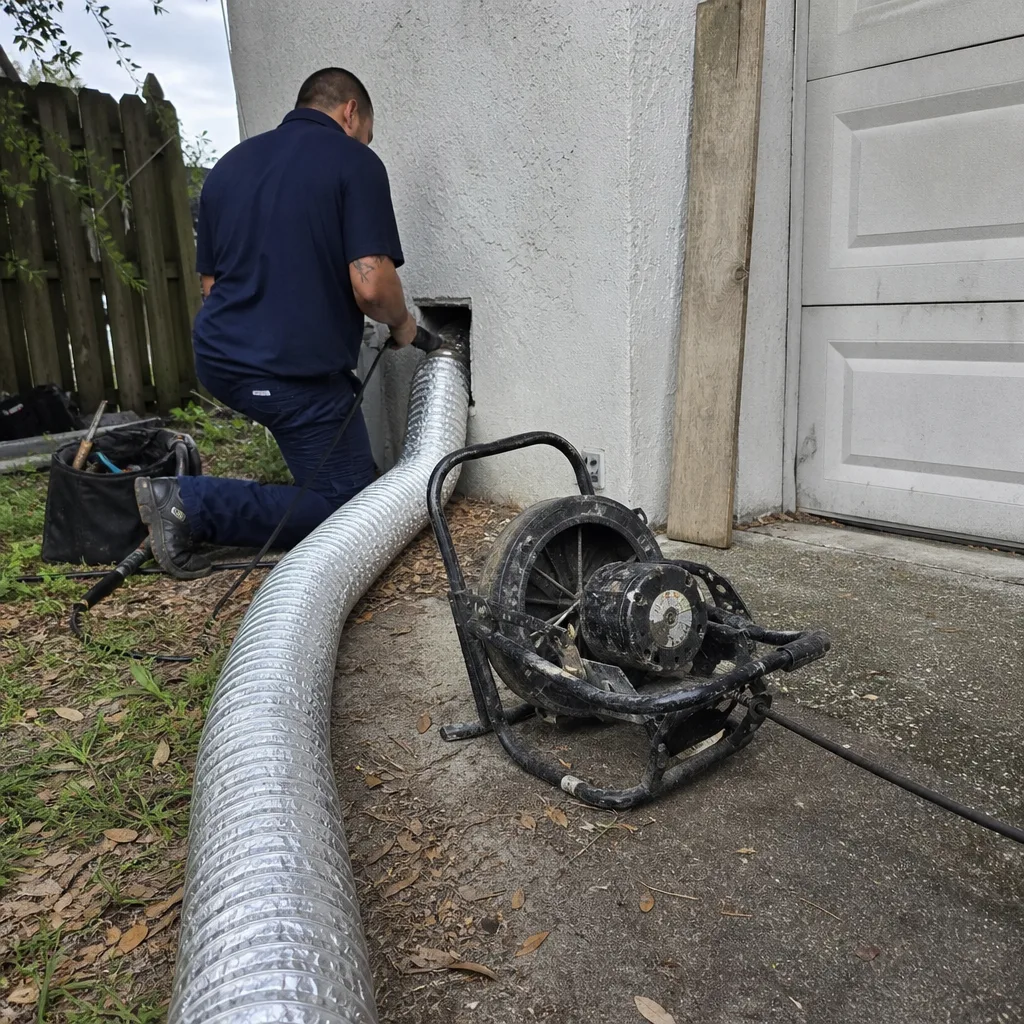 Before
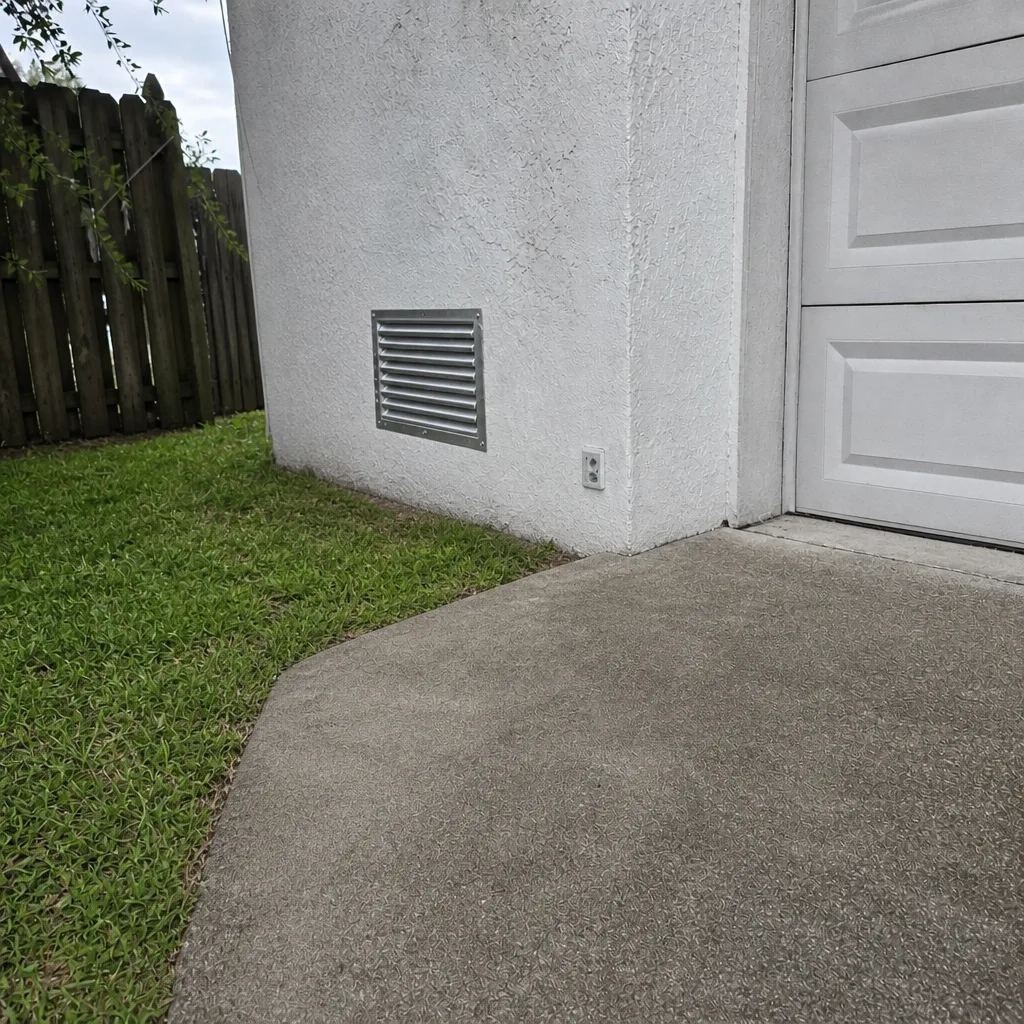 After
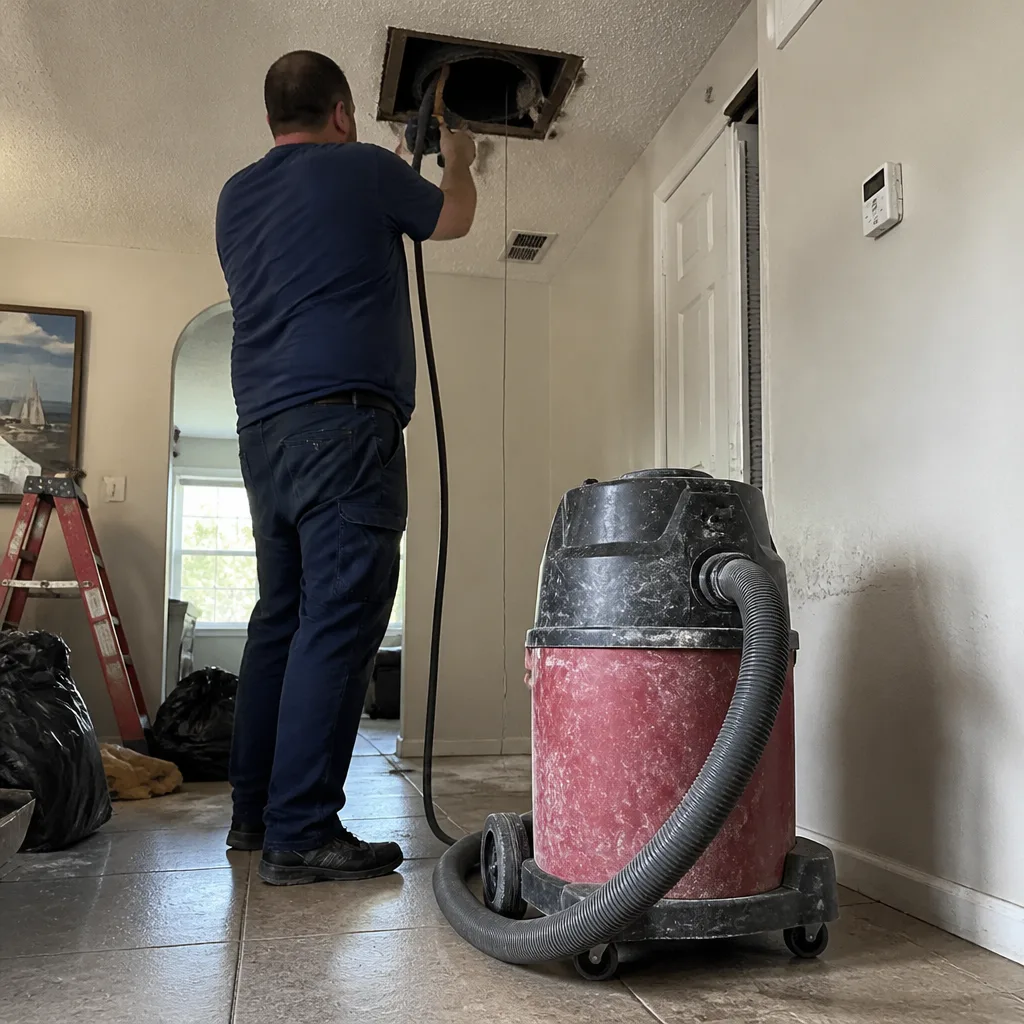 Before
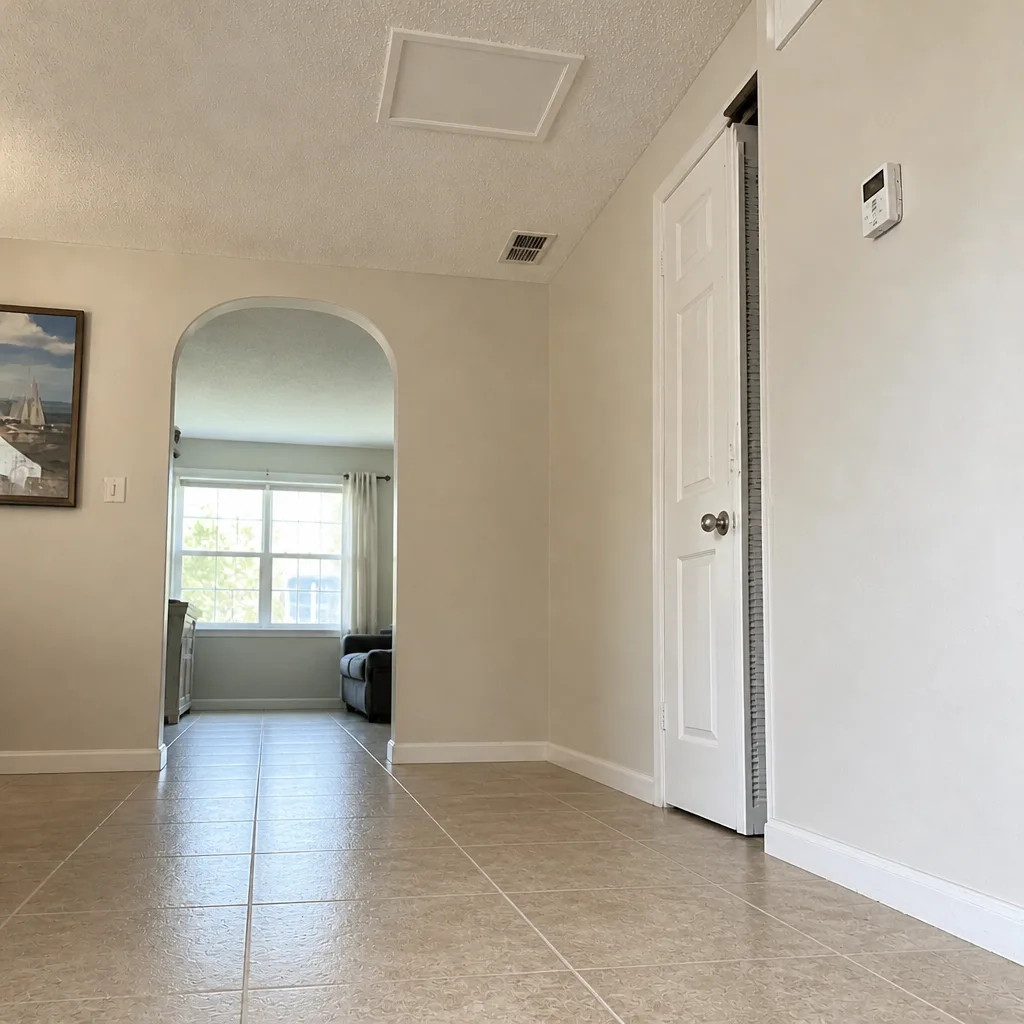 After
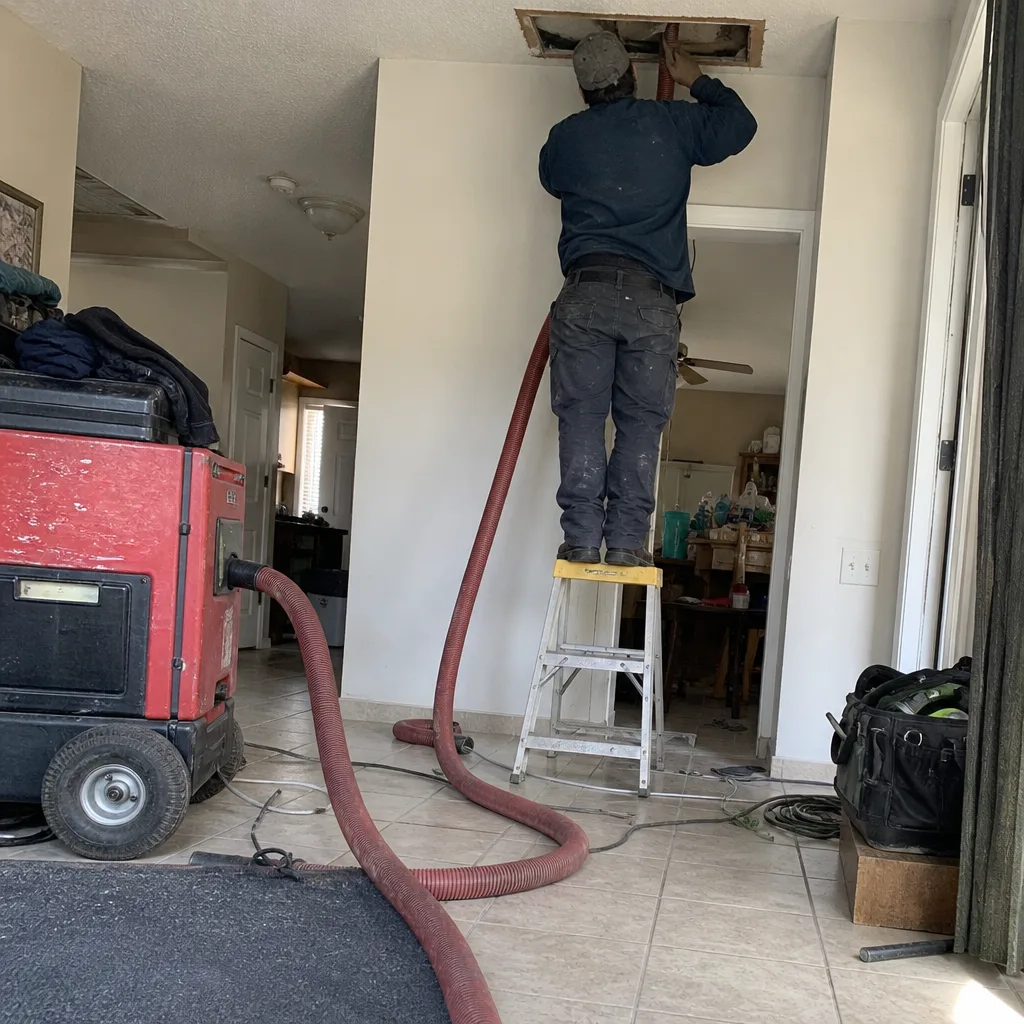 Before
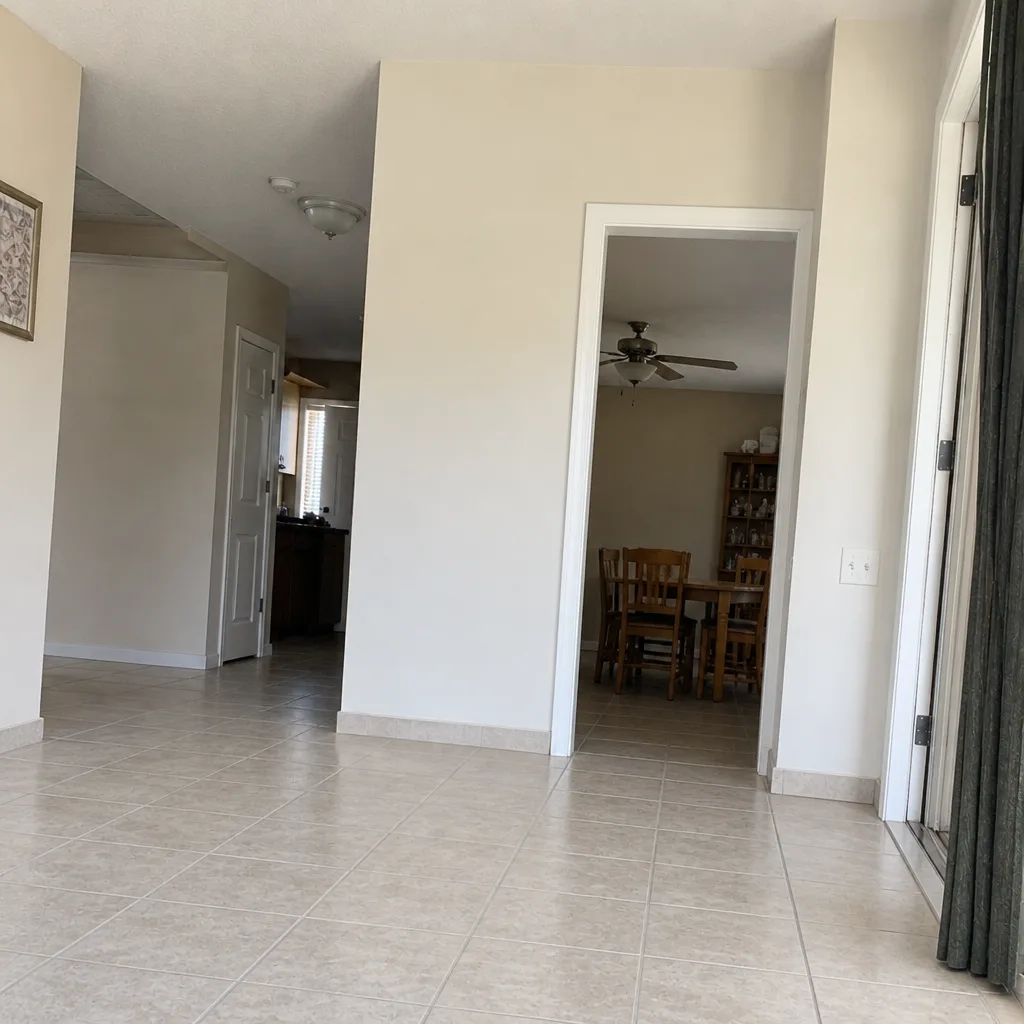 After
When to Call a Professional
Call a professional when the signs point to source removal rather than a filter change. Visible dust streaking around the registers, a musty smell when the AC starts, allergy symptoms that improve when you’re away from home, an HVAC system that’s running longer than usual, or a post-renovation cleanup where drywall dust loaded the returns are all cues. A dryer vent that’s slow to dry is another. And if you’ve never had the ducts cleaned since you moved in, a diagnostic visit is worth the call even without symptoms.
Duct Cleaning Palm Bay offers free estimates in Palm Bay – call (844) 834-5154. We answer 24/7. Fast dispatch from 7am to 7pm, Sunday through Friday. One flat price per system, agreed before work starts, with before-and-after photos of your own ducts when we’re done.
Frequently Asked Questions
Air duct cleaning in Palm Bay is priced per system based on the size, number of runs, and condition of the ductwork, and the written estimate sets the final price. Whole-system jobs typically land somewhere in a broad middle tier, but the honest way to price it is to look at the actual system, not to quote a number over the phone or compare coupon ads. One flat price per system, agreed before work starts, is the structure that protects you from the “base price plus upsell” pattern. Call (844) 834-5154 for an exact quote – estimates are free.
The cheap quotes are usually quoting a surface sweep rather than source removal. A brush and a shop vac at the register is a fraction of the labor and equipment of a rotary-contact cleaning with HEPA vacuum and negative air, and the price reflects it. The gap you’re seeing is the equipment gap. Ask any contractor what tools they use – if the answer doesn’t include a rotary brush system and HEPA or negative-air equipment, you’ve found the difference. Call (844) 834-5154 to compare a real equipment-based estimate.
More often than the national three-to-five-year guidance would suggest, because the system here runs nearly year-round and the average humidity (around 74%) keeps the return and supply runs in conditions where dust and biological growth accumulate faster. Many Palm Bay homes benefit from an inspection every two to three years and cleaning when they show the symptoms – dust streaks, musty startup smell, allergy flare-ups, longer runtimes. Call (844) 834-5154 for a free inspection and estimate; we’ll tell you honestly if cleaning is premature.
You should be handed a report with before-and-after photos of your own system, from the same angles, plus the scope of work and the equipment used. That record is the standard, not the exception. If a contractor can’t show the state of your ducts before and after, the job doesn’t count as documented. Call (844) 834-5154 and ask what the post-cleaning report includes before you book.
Yes, mainly because there’s no basement or crawlspace, so the supply runs travel through the attic or through chases, and the return path is often a single central run. That routing means more contamination clings to the run walls instead of settling out, and any attic-side defect – crushed flex, torn insulation, disconnected boots – pulls unfiltered attic air into the system. A cleaning quote that ignores the attic side of the system is missing half the job. Call (844) 834-5154 for an inspection that includes the attic runs.
Dryer vent cleaning is a separate service and a separate fire-risk conversation, and it’s worth doing on its own when drying times lengthen, the dryer cabinet runs hot, or there’s lint around the exterior vent. It’s not a hand-vac job at the back of the dryer – the run needs its own tooling to clear buildup through the full length. If you’re already scheduling a duct cleaning, put the dryer vent on the same estimate. Call (844) 834-5154 to add it or ask about a dedicated visit.
The Bottom Line
Palm Bay homes don’t follow the national duct-cleaning calendar. Year-round cooling, 74% humidity, and slab-on-grade construction mean contamination builds faster, hangs on the duct walls longer, and needs source-removal cleaning rather than a quick surface sweep. Judge a contractor by three things: the equipment on the truck (rotary brush, HEPA vacuum, negative air), whether the plenum and trunk line are in the scope, and the post-cleaning report with before-and-after photos of your own system. Cleaning and repair belong in the same job, and the dryer vent belongs in the same conversation. If you want a straight answer on what your system needs, call (844) 834-5154. One flat price per system, agreed before work starts.
Written by the team at Duct Cleaning Palm Bay.