
Last updated November 15, 2026
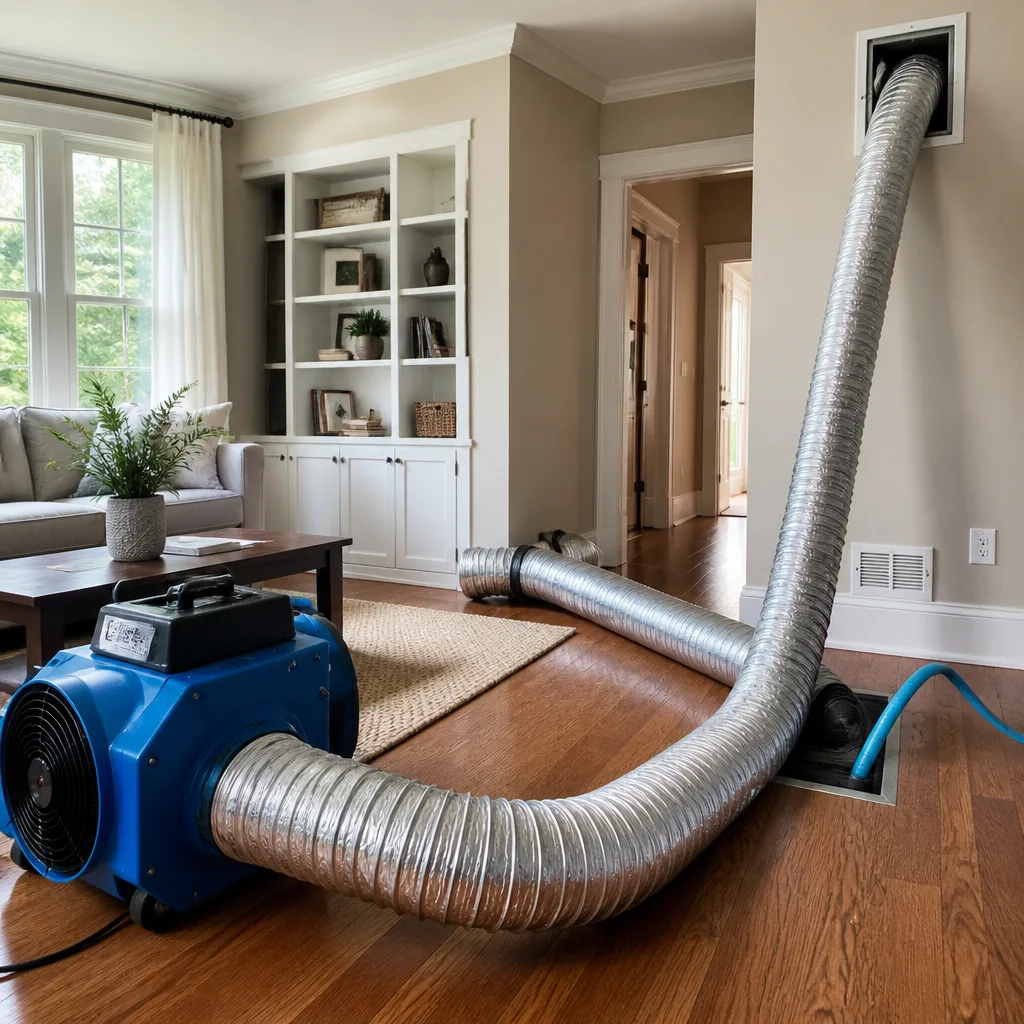 Whole-home duct cleaning
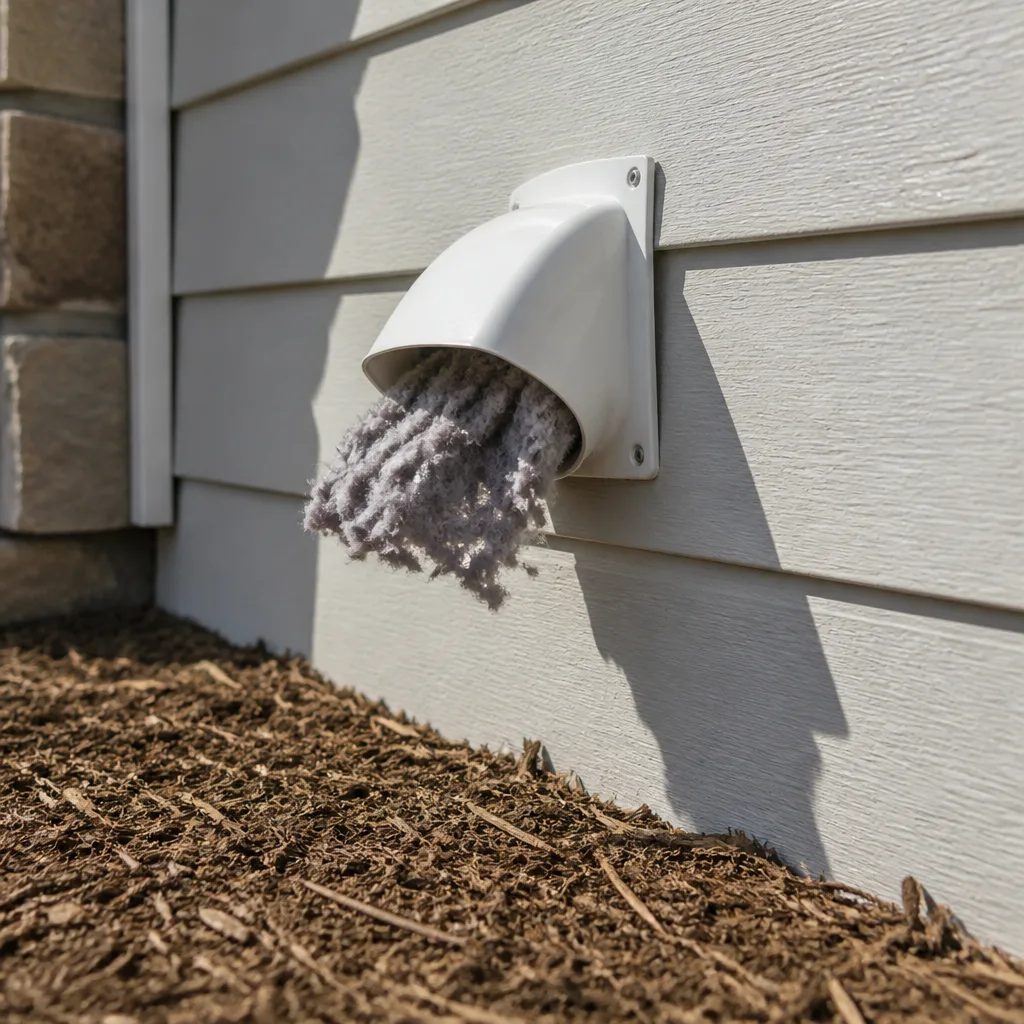 Dryer vent cleaning
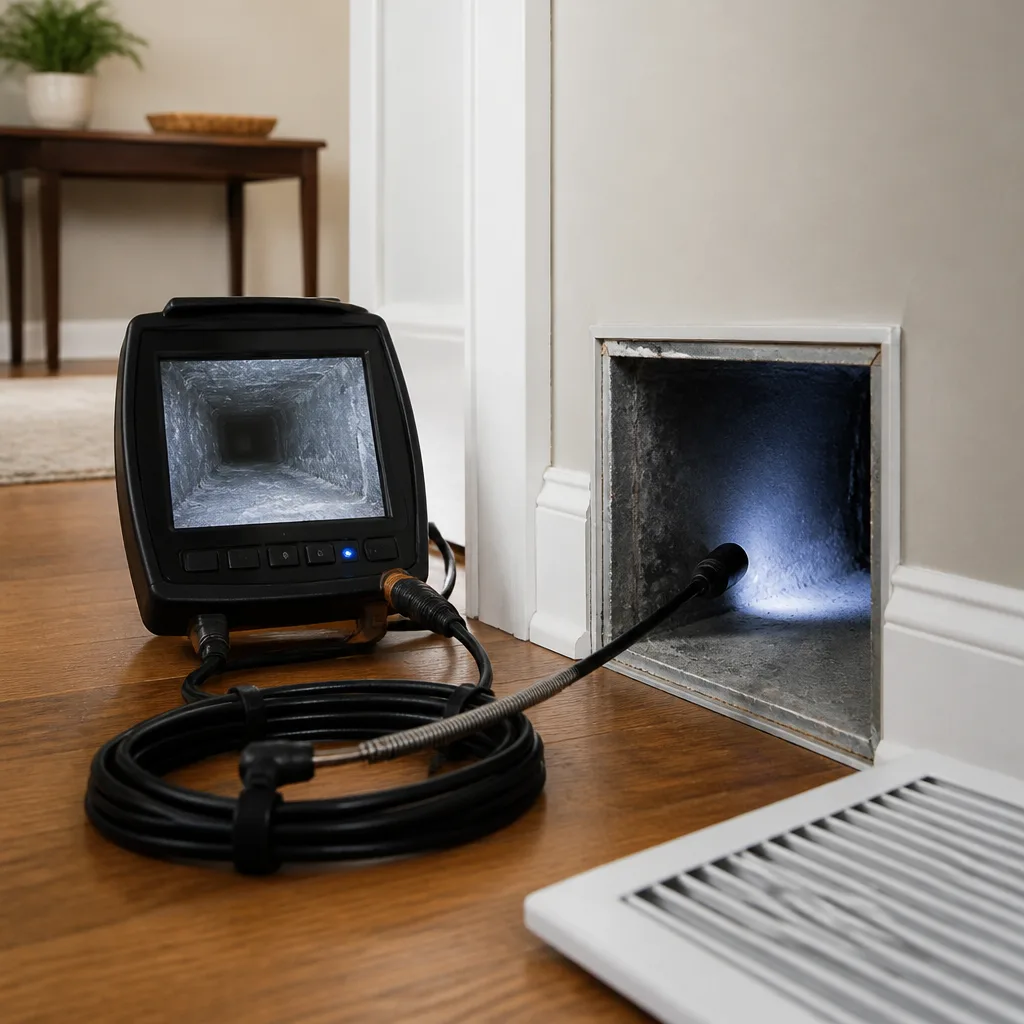 Camera inspection
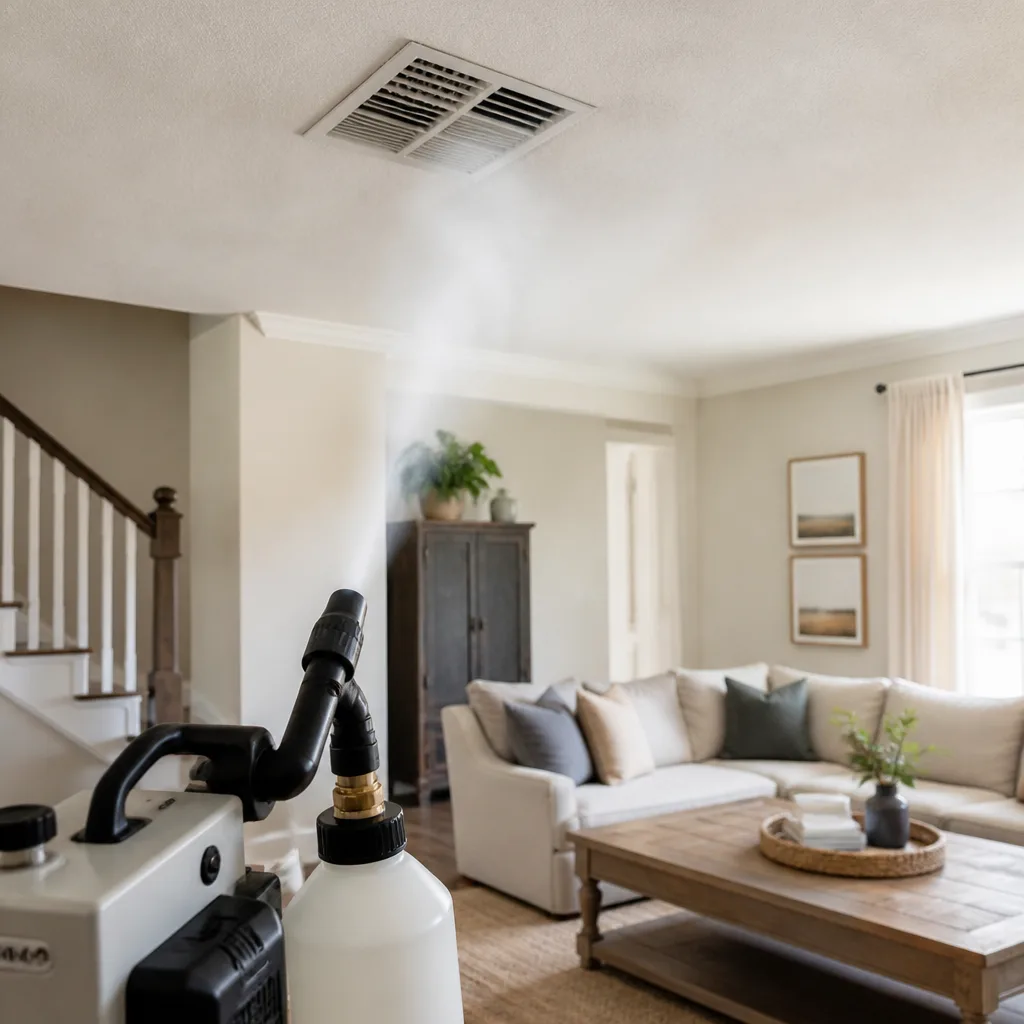 Sanitizing & deodorizing
Whole-system duct and dryer vent check with before-and-after photos - you see exactly what came out of your vents
That "$99 whole-house special" is a bait ad - the real number appears once they are in your hallway, or the "clean" is a shop-vac at the register. We photograph the inside of your ducts before and after instead.
Air Duct Cleaning Cost Breakdown: The Palm Bay Homeowner’s Reference for 2026
Two duct cleaning quotes sit in front of you. One says $149. The other says $650. On paper they describe the same job title: air duct cleaning. That’s the whole problem. Nothing in this trade forces two contractors to mean the same thing when they say “clean your ducts,” so a low number and a high number can both be honest expressions of very different work, or one of them can be a number designed to get a phone call and a technician through your door. This guide gives you the framework the industry never handed you: what each line item in a real job actually costs, what equipment signals a legitimate bid, how per-vent pricing really compares to whole-system pricing, and where the 2026 Palm Bay market lands.
Quick Answer
Air duct cleaning in Palm Bay in 2026 typically runs about $350 to $600 for an average home with 15 to 25 vents, with smaller systems starting closer to $250 and larger or heavily fouled systems reaching $800 or more. The number that matters isn’t the headline price; it’s whether the quote covers a full whole-system job with negative air control, mechanical agitation, and HEPA filtration, or just a surface pass with a shop vac. A legitimate estimate itemizes those components, and the final price is fixed in writing before any work starts.
Styles & brands we work with
- Whole-home duct cleaning
- Dryer vent cleaning
- Camera inspection
- Sanitizing & deodorizing
Table of Contents
- What’s Actually in a Duct Cleaning Quote? The Line Items That Matter
- Per-Vent Pricing vs. Whole-System Pricing: How to Compare Them
- Equipment as a Pricing Signal: What Real Gear Costs and Why It Matters
- 2026 Price Benchmarks for Palm Bay Homes by Size
- Add-Ons: Legitimate Line Items vs. Reflexive Upsells
- Why Two Quotes for the Same House Can Differ by Hundreds
- How to Verify the Work Was Done and Done Right
What’s Actually in a Duct Cleaning Quote? The Line Items That Matter
A real duct cleaning job breaks into a handful of definable components, and each one carries labor and equipment time. When you learn to read them, the gap between a $149 quote and a $650 quote stops being mysterious. The cheap quote is missing most of this list. The legitimate one is pricing every item because the work can’t be done correctly without them.
Here’s what a professional-grade job is built from, in the order a technician typically encounters it:
- Access and setup. The technician identifies each supply and return run, opens registers, and sometimes cuts small access points in the trunk line. This is methodical work, and it’s where a legitimate bid starts. It’s also where the cheap bid usually starts skipping.
- Negative air pressure setup. A machine like an Abatement Technologies negative-air unit is connected to the system and pulls the whole duct assembly into negative pressure before agitation begins. This keeps loosened debris moving toward the collection point instead of puffing out into your living room. It’s a setup step most homeowners never see and most cut-rate bids never include.
- Mechanical agitation. A rotary brush system such as a Rotobrush works the interior surfaces of the duct, breaking the bonded layer of dust and debris loose from the metal or flex liner. A whip or air-driven tool does a similar job in different duct types. This is the part that actually cleans, as opposed to vacuuming what happens to be loose.
- HEPA vacuuming and collection. A Nikro HEPA-filtration vacuum captures fine particulate rather than recirculating it. HEPA isn’t decoration; it’s the difference between removing contaminants and redistributing them.
- Register and grate cleaning. Supply and return covers get pulled, cleaned, and reinstalled. Small item, real time.
- Final inspection and documentation. A proper job ends with a look inside the system and a record of what was found and done, ideally with before-and-after photos of your own ducts. Documentation is a line item too, and it’s the one that protects you.
When a quote is far below market, one or more of those steps is missing. Usually it’s the first three. If you want to see what a full job looks like as a service, our air duct cleaning page lays out the sequence the way we run it.
Per-Vent Pricing vs. Whole-System Pricing: How to Compare Them
Per-vent pricing sounds fair and transparent: a set price for each vent, multiplied by however many you have. In practice, for the average home it usually costs more than a whole-system quote, and it pushes the contractor’s incentive in the wrong direction. A whole-system price treats your ductwork as one connected assembly, because that’s what it is. A per-vent price treats each opening as a billable unit, and on a typical Palm Bay house with 15 to 25 registers, those units add up fast.
Here’s how to convert between the two so you can compare apples to apples:
- Count your registers. Supplies plus returns. Not the number of rooms; the number of openings.
- Multiply by the per-vent rate in the quote you’re holding.
- Add whatever “system fee,” “truck fee,” or “setup fee” appears in the fine print. These often push the effective total well past the advertised per-vent figure.
- Compare that total to a flat whole-system number for the same home size.
In our experience, a whole-system quote almost always comes out lower for homes in the 15-to-25-vent range, because the labor is concentrated in setup and agitation, not in repeating a fixed routine per opening. It also removes the incentive to run a brush past forty registers quickly rather than work the trunk lines that hold most of the debris. The per-vent model isn’t automatically dishonest; it’s just a pricing structure that tends to reward speed over thoroughness. Ask for a flat whole-system number and compare that.
Equipment as a Pricing Signal: What Real Gear Costs and Why It Matters
The single most reliable way to tell a legitimate bid from a lowball one is to ask what equipment will show up. A professional duct cleaning rig isn’t a shop vac with a long hose. It’s a collection of machines that each cost real money to buy, maintain, and operate, and that cost has to live inside the price of every legitimate job. When a quote is $149, something in that chain is missing.
Here’s what a professional outfit brings, and why it changes the math:
- Rotary contact cleaning (Rotobrush or equivalent). The industry standard for breaking bonded debris loose from duct interior surfaces. These systems are priced like professional tools because they are professional tools, built to run job after job.
- HEPA filtration vacuums (Nikro and similar). Captures fine particulate instead of blowing it back into the house. HEPA-grade equipment is a meaningful capital cost and a meaningful difference in result.
- Negative-air machines (Abatement Technologies). Creates controlled airflow during the job, preventing cross-contamination between the duct system and living spaces. This is the same category of tool restoration contractors rely on.
- Rotary whips, air tools, and duct-specific brushes sized for different duct materials and shapes.
A contractor who owns and maintains this equipment has already sunk real money into being able to do the job correctly. That equipment cost is baked into every bid, which is why their number has a floor. The shop-vac operator has almost no gear cost, so their price has almost no floor, and almost no ceiling on what can go wrong inside your ducts. We work with professional-grade equipment, not shop-vac shortcuts, and we’re glad to have you ask to see it. Beyond cleaning, we also install and service Honeywell and Aprilaire products, which matters if your estimate includes filtration or humidity control as part of a whole-system approach to indoor air quality.
2026 Price Benchmarks for Palm Bay Homes by Size
Every house is different, and the written estimate is what sets your final price. Still, a range by home size gives you a benchmark to sanity-check any quote. These are typical 2026 estimates for a whole-system air duct cleaning job in Palm Bay, not per-vent specials and not teaser pricing.
| Home Size | Typical Register Count | Estimated Whole-System Range |
|---|---|---|
| Smaller homes and condos | up to 15 | $250 – $400 |
| Average single-family homes | 15 – 25 | $350 – $600 |
| Larger homes | 25+ | $550 – $800+ |
| Heavily fouled or recently renovated systems | varies | Add for extended agitation and access time |
What pushes a quote to the high end of its range? Multiple air handlers, a system that hasn’t been cleaned in many years, recent construction or renovation that introduced drywall dust into the returns, flex duct runs that need careful handling, or ductwork that turns out to need repair before cleaning can be done properly. What keeps it at the low end? A standard single-system home with accessible registers, clean returns, and reasonable maintenance history.
It’s also worth knowing your system’s layout before you call. In Palm Bay, the mix of older block construction and newer subdivisions means ductwork varies widely from one neighborhood to the next, and a technician quoting you needs to know how many systems you have and where the returns are. Count your registers, note how many air handlers serve the house, and mention anything unusual when you request an estimate. That information smooths the quote and helps you compare bids fairly.
Add-Ons: Legitimate Line Items vs. Reflexive Upsells
Add-on services are where the honest contractor and the pressure salesman split apart. A legitimate add-on solves a specific problem the technician actually finds in your system. An upsell gets applied to every job regardless of need, because the business model depends on it. The test is simple: does the technician explain what they saw that justifies the add-on, and would they skip it if it weren’t needed?
Legitimate add-ons, when the need is genuine:
- Dryer vent cleaning. A real safety service, not a duct cleaning afterthought. Lint buildup in a dryer vent is a leading cause of residential fires, and this deserves proper equipment, not a hand-vac pass. It’s a dedicated service with its own scope and price.
- Sanitizer or antimicrobial application. Legitimate when there’s visible growth or a documented moisture problem inside the system. Reflexive when it’s tacked onto every quote “just in case.”
- Coil cleaning. Legitimate when the evaporator coil is fouled and restricting airflow. Ask to see the condition that warrants it.
- Air duct repair. Legitimate and sometimes essential. Disconnected flex runs, crushed sections, and leaky joints undermine the cleaning you just paid for. We clean and we repair, which means we can find and fix compromised ductwork rather than cleaning around a problem.
- Whole-home filtration or humidity control using products like Honeywell and Aprilaire, when the homeowner has an ongoing air quality goal beyond cleaning.
If an add-on shows up on your quote without a clear reason tied to what’s actually in your ducts, ask why. A straight answer is a good sign. A vague one is a signal to get a second estimate.
Why Two Quotes for the Same House Can Differ by Hundreds
Two contractors look at the same Palm Bay house and quote $250 and $650. Both quotes are honest in the sense that both contractors mean what they wrote. The gap comes from four things, and once you know them, you can read quotations like a pro.
- Scope definition. One quote covers setup, negative air, agitation, HEPA collection, register cleaning, and documentation. The other covers “cleaning” with a portable vacuum and a brush, with an add-on menu waiting to expand the invoice on site. You’re not comparing the same job.
- Equipment class. A three-piece professional rig with negative air and HEPA filtration costs far more to own and operate than a portable kit. That cost lives in the bid. It also lives in the quality of the result.
- Labor time. A thorough whole-system job on a 20-vent home takes real hours of methodical work. A quick surface pass takes far less. The price reflects that.
- What happens on site. A bid that holds its number is a bid built on the work described. A bid that grows once the technician is standing in your hallway was never a bid; it was a visit fee dressed up as a price.
This is the trade’s bait-and-switch reputation in action, and it’s the reason we do it the other way: one flat price per system, agreed before work starts, no per-vent surprises, and before-and-after photos of your own ducts when we’re done. If you’re comparing bids from different companies, ask each one whether the number they quote is the number you’ll pay. The Duct Cleaning Palm Bay approach is a written estimate with the whole system in it and nothing added once the job begins.
How to Verify the Work Was Done and Done Right
The final bill is where the hesitation really lives. Did the technician actually clean the ducts, or just run a vacuum for an hour and hand you an invoice? You shouldn’t have to take it on faith. A legitimate job leaves evidence, and you’re entitled to see it before you pay.
- Before-and-after photos. A proper job documents the inside of your ducts at the start and the end, from the same angles. These are your proof, and any contractor who can’t produce them either didn’t do the work or didn’t check it.
- A visible collection point. HEPA and negative-air equipment collects what it pulls out of the system. A tech who won’t connect a proper collection setup is a tech who’s going to blow the dust somewhere else.
- A look inside. Ask to see the interior of the trunk through a register before and after. If it’s accessible, you should be allowed to look.
- A clear, itemized invoice that matches the estimate you approved.
We’re open about this because we’ve seen the other side. If you want to compare photos, ask for them. Our technicians have up to 9 years of experience and will happily show you what came out of your system, not just tell you it was cleaned. If a quote seems out of line with your home’s size or the work described, check it against our Palm Bay pricing context and ask for a written estimate you can compare line for line.
Common Mistakes to Avoid
- Hiring on the headline number alone. The cheapest quote is usually cheap because it leaves out most of the work. Compare scope, equipment, and documentation before you compare price.
- Accepting per-vent pricing without converting it. Multiply the per-vent rate by your register count and add any fees, then compare that total to a flat whole-system number. The per-vent figure is often the higher one once you do the math.
- Believing a “free inspection” that becomes a sales presentation. An inspection should tell you what’s in your ducts and what it takes to clean them. If it becomes a pressure pitch for sanitizer and coil cleaning on every visit, walk away.
- Skipping the documentation. If nobody photographs your ducts before and after, you have no way to know what was done. Ask for the photos up front so it’s clear they’re part of the job.
- Cleaning around damaged ductwork. Loose, crushed, or disconnected runs mean the cleaning won’t hold and the air isn’t going where you think. Ask whether duct repair is part of the estimate, not just cleaning.
- Treating dryer vent cleaning as an afterthought. It’s a separate service with its own real risk if neglected. A dedicated dryer vent cleaning using proper equipment is a different job from a quick pass with a vacuum.
- Assuming a low price means a full system. Ask specifically whether the quote covers every duct, every register, and every air handler in the house. Some low quotes cover one system and quietly charge for the rest.
See the difference
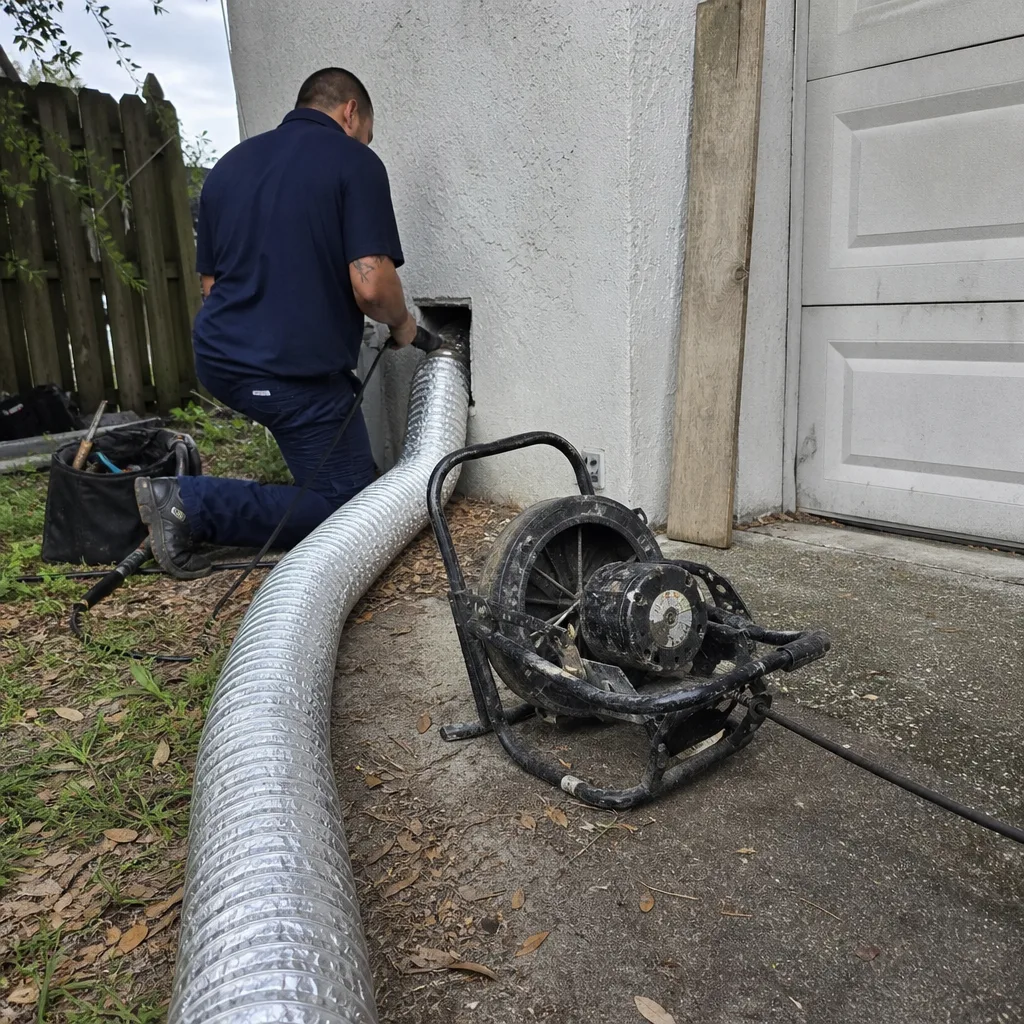 Before
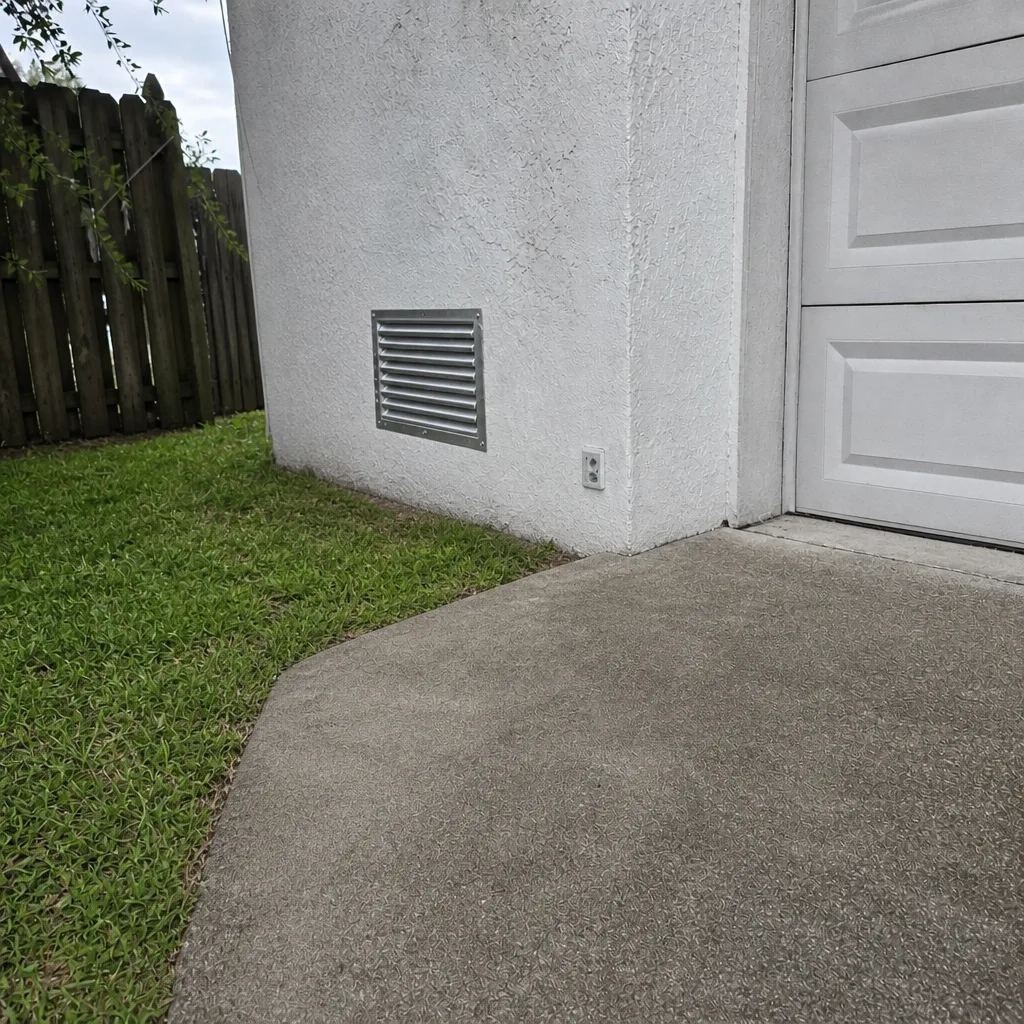 After
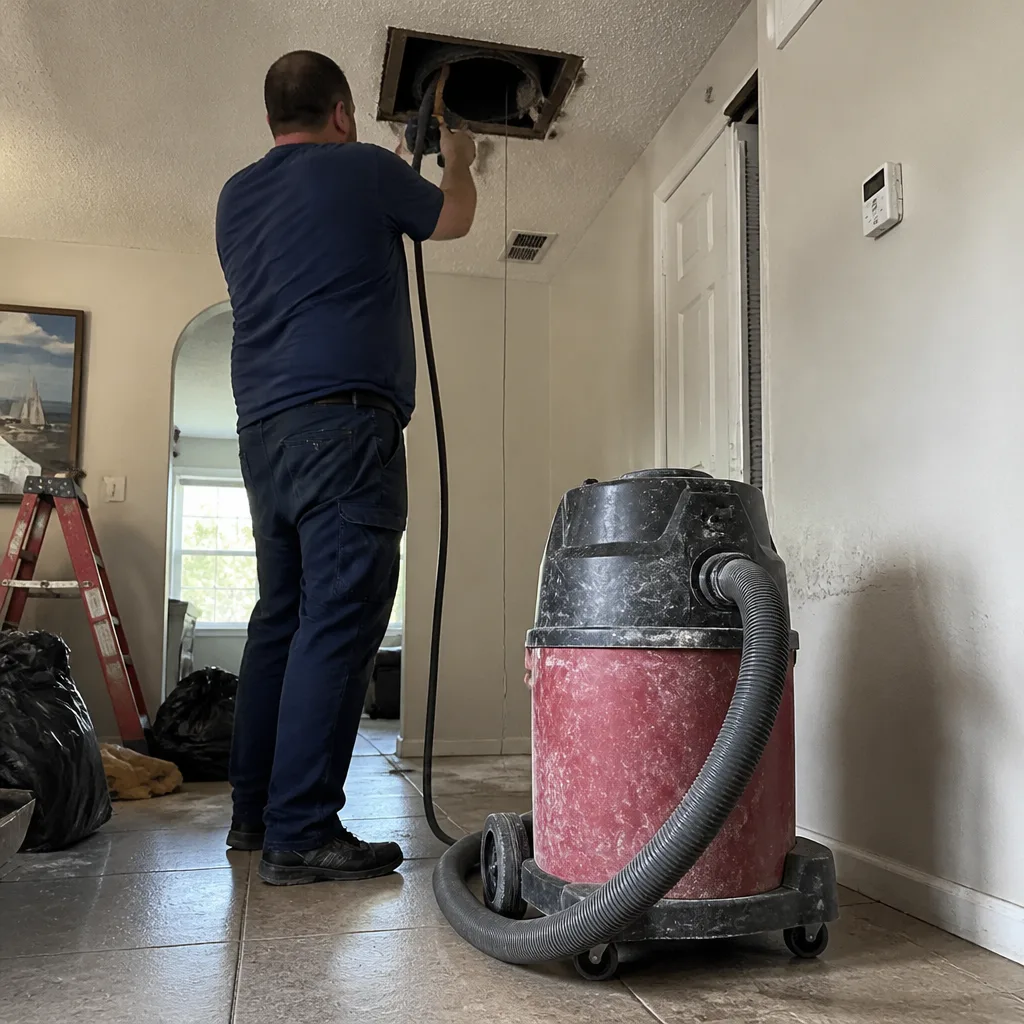 Before
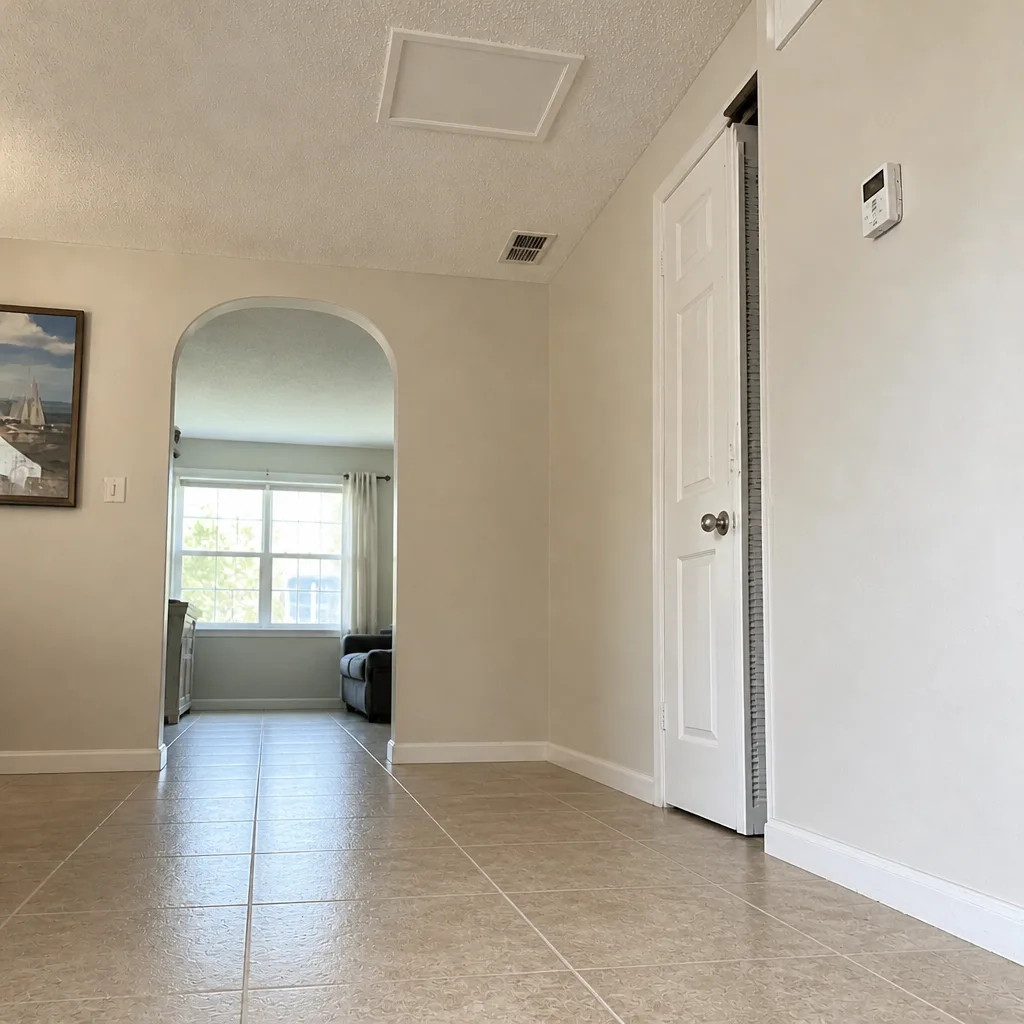 After
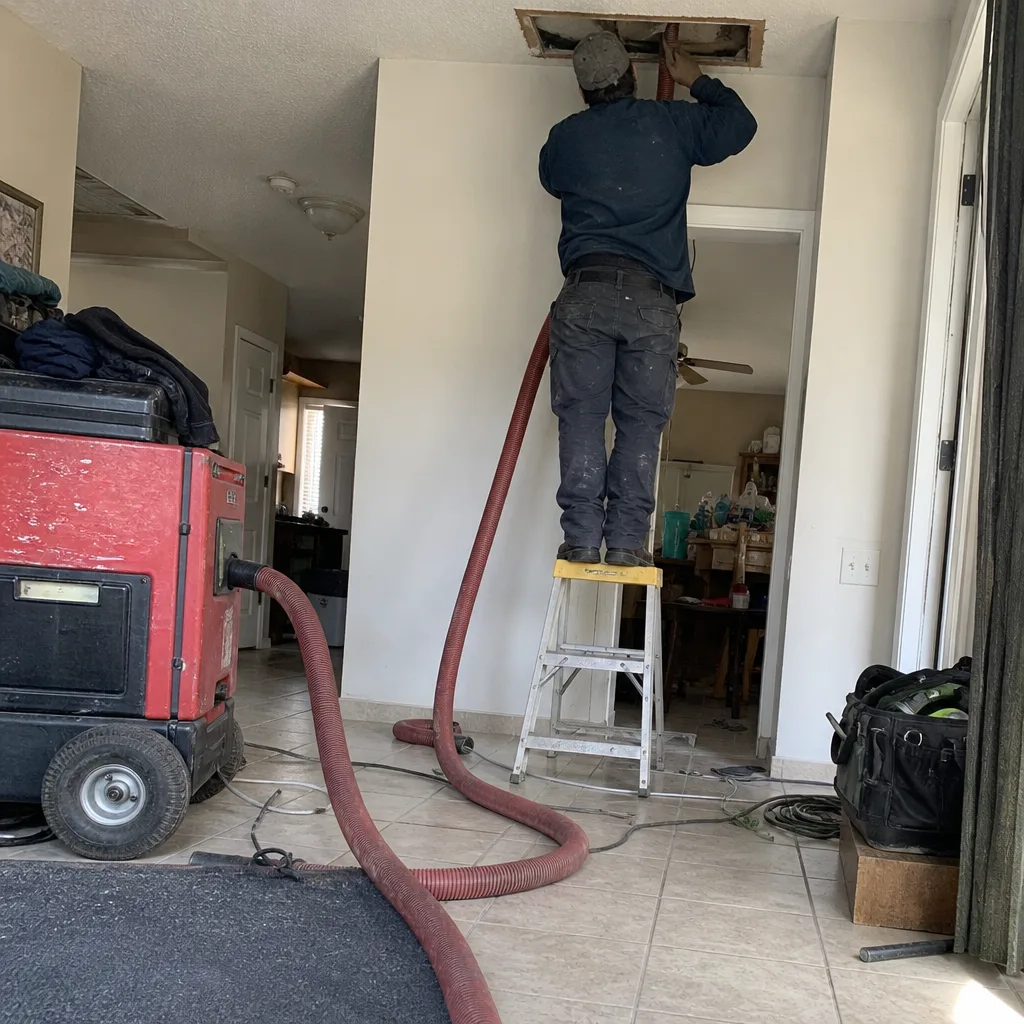 Before
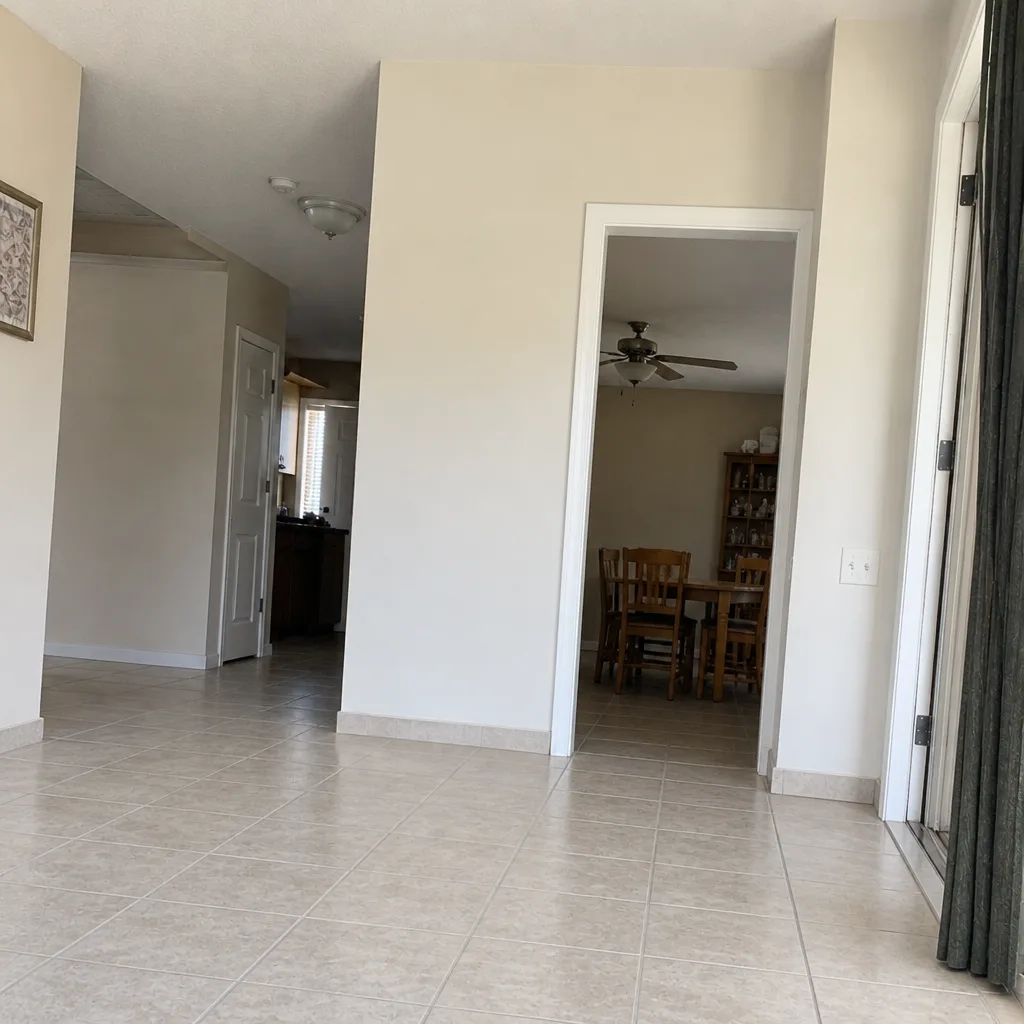 After
When to Call a Professional
Some situations call for a duct professional rather than a wait-and-see approach. If you’ve noticed a visible layer of dust settling on surfaces shortly after cleaning or after a renovation, if allergy symptoms spike when the system runs, if airflow from your registers feels noticeably weaker than it used to, or if you’ve never had the ducts cleaned in a home you just moved into, that’s the time to get an estimate. Same if a room stays stuffy while others are fine, which often points to a compromised run rather than dirt alone. Palm Bay’s mild winters mean the AC runs heavily for much of the year, and that long runtime is a steady reason for the system to accumulate debris. Duct Cleaning Palm Bay offers free estimates in Palm Bay; call (844) 834-5154 and we’ll walk the system with you and put the price in writing.
Frequently Asked Questions
Expect about $350 to $600 for an average home with 15 to 25 registers, with smaller systems from around $250 and larger or heavily fouled systems reaching $800 or more. The range reflects how much ductwork you have, how fouled it is, and whether the job includes repair. The written estimate sets your final price. Call (844) 834-5154 for an exact quote, since estimates are free.
Because they leave out the parts of the job that cost money: negative air setup, mechanical agitation, and HEPA filtration. A $149 quote and a $650 quote rarely describe the same work once you look at the equipment and the scope. Ask what machines will show up and what they’ll be connected to. Call (844) 834-5154 and we’ll explain exactly what’s in ours.
You ask for before-and-after photos of your own ducts, taken from the same angles, and you look at them. You also confirm a proper collection setup was used, not just a vacuum pointed at the registers. A real job leaves a documented trail. Call (844) 834-5154 for an estimate that includes that documentation.
For most homes with 15 to 25 vents, a flat whole-system price is lower and includes more work than the converted per-vent total. Per-vent pricing rewards speed over thoroughness and often comes with added fees. Ask for a flat price per system so you can compare bids directly. Call (844) 834-5154 for one.
For a well-maintained home with a clean return, every few years is generally reasonable, but it depends on your filter habits, pets, renovations, and how heavily the system runs. There’s no fixed calendar everyone should follow. If you’re not sure, an inspection tells you more than a schedule. Call (844) 834-5154 and we’ll give you a straight answer for your system.
It’s a separate service with its own price, because it’s a separate job addressing a separate risk. Lint buildup in a dryer vent is a leading cause of residential fires and needs proper equipment, not a shop-vac pass. It’s worth bundling with a duct cleaning for scheduling convenience. Call (844) 834-5154 for a combined estimate.
The Bottom Line
The duct cleaning market in Palm Bay makes it hard to tell $149 from $650 by the number alone, but the framework this guide builds makes it straightforward. Look at scope, not price. Ask what equipment will show up, whether negative air and HEPA filtration are part of the setup, and whether the quote covers every run in the house. Convert per-vent quotes to whole-system totals so the comparison is fair. Insist on a flat price per system written down before work begins, and on before-and-after photos of your own ducts when it’s done. Those two things alone separate the legitimate bids from the rest. If you want a written estimate with all of it in there, call (844) 834-5154. We answer 24/7. Fast dispatch from 7am to 7pm, Sunday through Friday.
Written by the team at Duct Cleaning Palm Bay.