
Last updated November 15, 2026
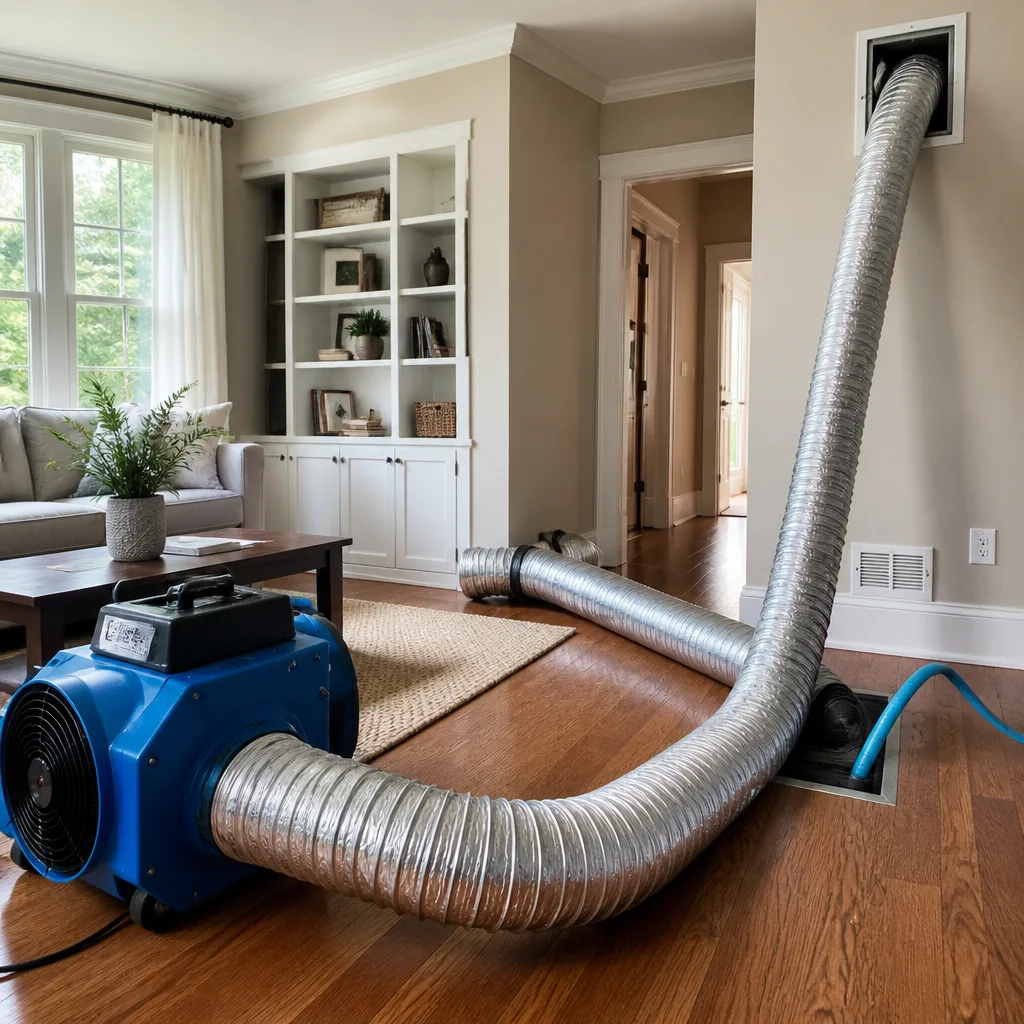 Whole-home duct cleaning
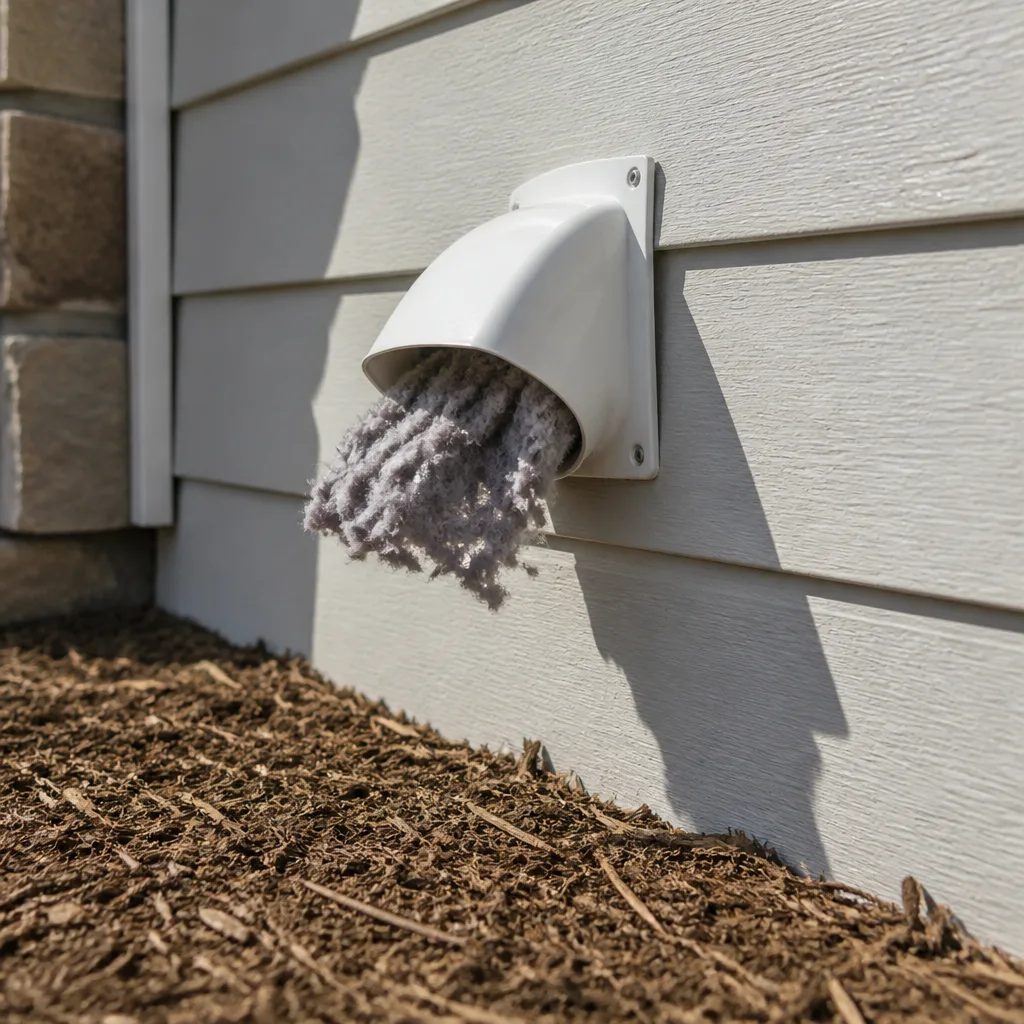 Dryer vent cleaning
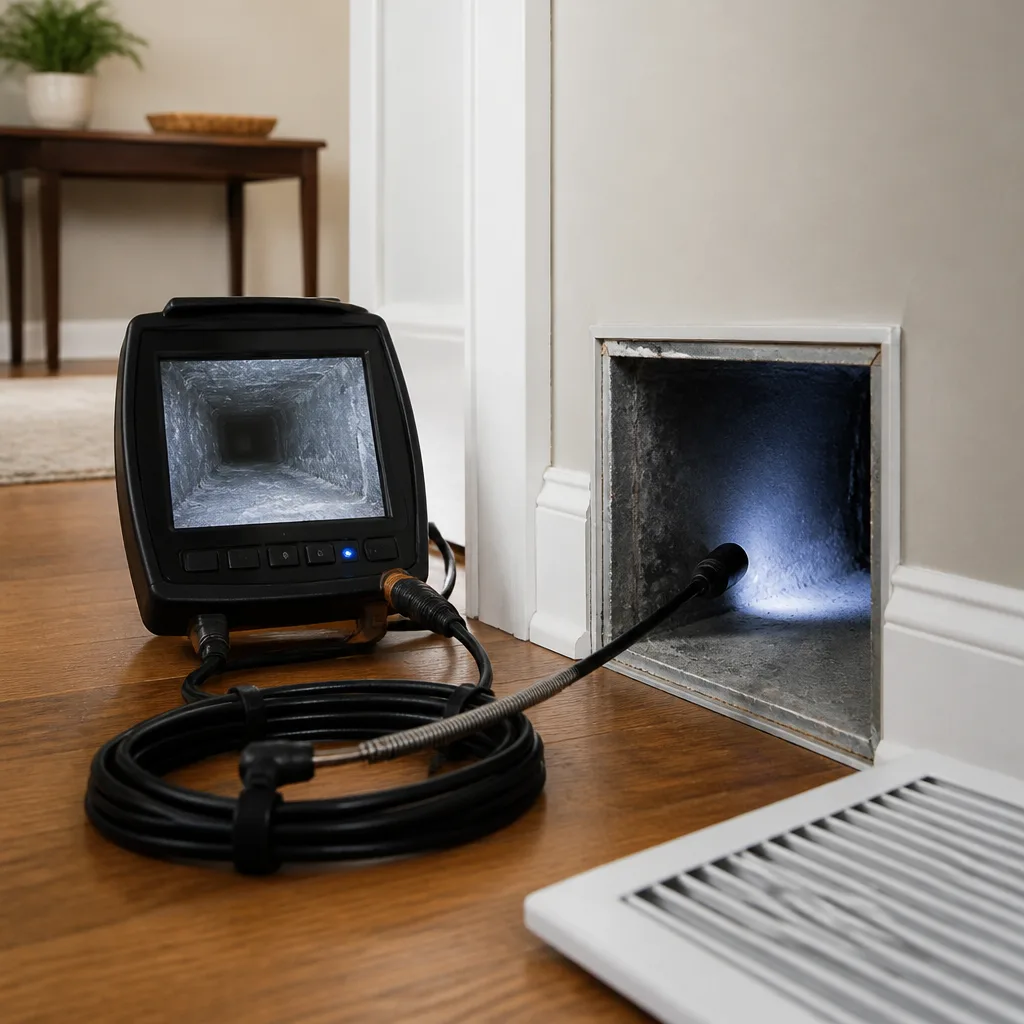 Camera inspection
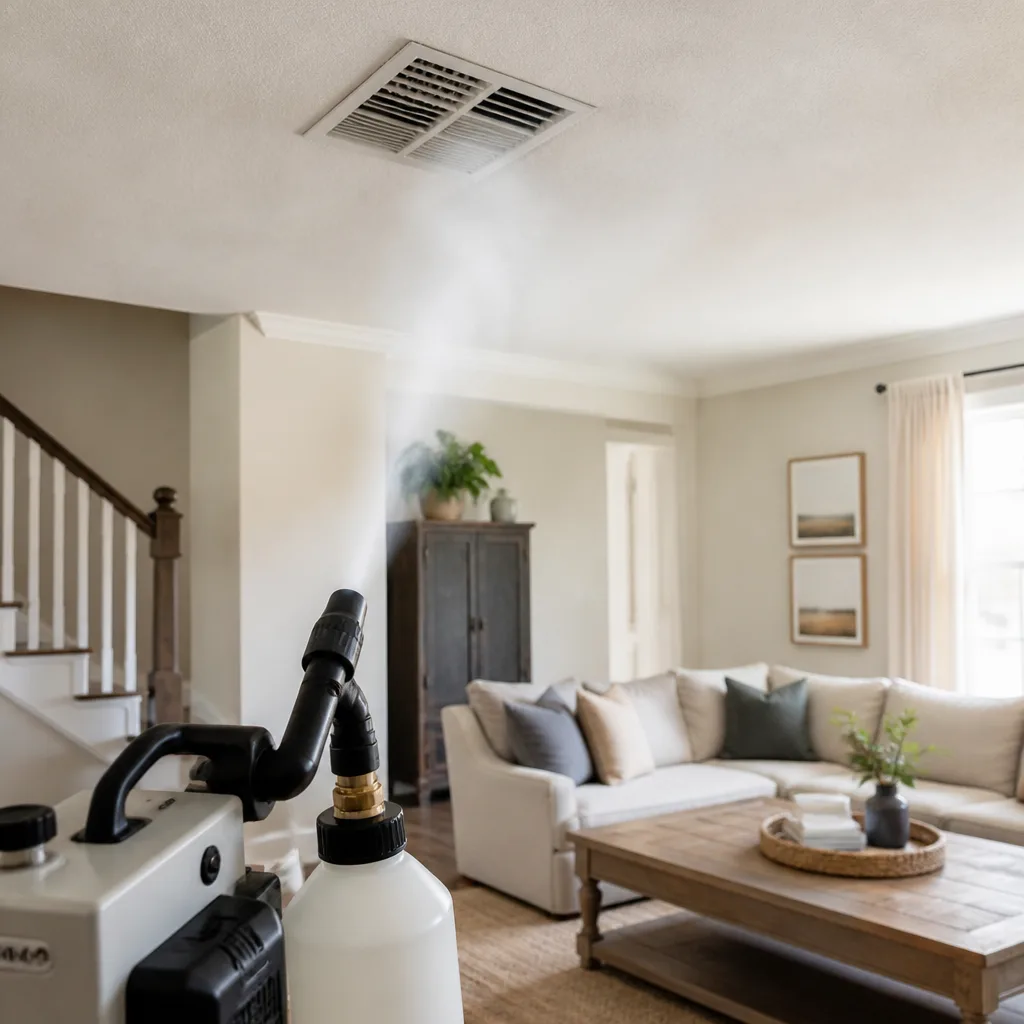 Sanitizing & deodorizing
Whole-system duct and dryer vent check with before-and-after photos - you see exactly what came out of your vents
That "$99 whole-house special" is a bait ad - the real number appears once they are in your hallway, or the "clean" is a shop-vac at the register. We photograph the inside of your ducts before and after instead.
Air Duct Cleaning Troubleshooting in Palm Bay: Common Problems and How to Fix Them
If your home smells musty two weeks after a duct cleaning, the cleaning didn’t fail. The technician probably never touched the evaporator coil, drain pan, or return plenum where biofilm actually lives. That’s the pattern we see most often in Palm Bay: a homeowner paid for a cleaning, symptoms faded for a few days, then everything came back. The system wasn’t the problem. The scope of the job was. In this guide we walk through the symptoms that show up after a duct cleaning and map each one to what it actually means. You’ll learn how to tell a dirty duct system from a dirty air handler, what a negative-pressure test proves, and when the real answer is repair rather than another cleaning pass.
Quick Answer
Most post-cleaning problems in Palm Bay come down to one of four things: the air handler and coil were skipped, the ducts were cleaned but not repaired, moisture was never addressed, or the job was done with consumer-grade equipment that stirred up debris instead of containing it. Fixing any of these means diagnosing the whole system, not just the visible duct runs. A professional job pairs rotary contact cleaning and HEPA negative-air containment with an actual inspection of the coil, plenum, and drain pan.
Styles & brands we work with
- Whole-home duct cleaning
- Dryer vent cleaning
- Camera inspection
- Sanitizing & deodorizing
Table of Contents
- Dirty Ducts vs. a Dirty Air Handler: Why Cleaning One Leaves the Other Behind
- Post-Service Symptoms and What They Actually Mean
- The Negative-Pressure Test: How to Request Proof a Cleaning Was Done Right
- Palm Bay Failure Modes: Humidity, Slab Foundations, and Attic Duct Runs
- When the Problem Is Duct Repair, Not Another Cleaning
- When to Suspect a Moisture Problem and What Readings Tell You
- What the Equipment on the Truck Tells You Before Work Starts
Dirty Ducts vs. a Dirty Air Handler: Why Cleaning One Leaves the Other Behind
Your ducts are part of your home’s respiratory system. Most people picture the vents in each room when they think about duct cleaning. The air handler is where the air actually gets conditioned, and it’s where the dirt that matters most tends to collect. The blower, the evaporator coil, and the drain pan sit in that cabinet. Air passes over the coil thousands of times a week. Whatever is suspended in that air – dust, dander, pollen, and in Palm Bay a lot of fine outdoor particulate – settles on the wet side of that coil.
A cleaning that only touches the duct runs leaves all of that behind. Then the system runs again, air moves across a dirty coil, and the ducts begin to re-collect debris faster than they should. Homeowners read this as the cleaning not working. What actually happened is half the system was cleaned.
Here’s how to tell the two apart before you hire anyone:
- Dirty ducts: visible dust streaks near the registers, dark dust on the return grille, consistent dust on horizontal surfaces after a recent deep clean, or a musty smell only when the fan runs.
- Dirty air handler: musty or damp smell that shows up at the return vent regardless of room, a visible layer of matter on the coil when the cabinet panel is opened, standing water or a slimy film in the drain pan, or a system that cools poorly despite clean filters.
- Both: this is the common case. When the coil and drain pan are dirty, the ducts downstream are too, because the system keeps redistributing the same debris.
The takeaway: a complete job includes the air handler, the coil, and the plenum, not just the duct runs. Ask any contractor whether their scope covers all of them. In our experience, if the answer stops at “we clean the ducts,” that’s the whole answer.
Post-Service Symptoms and What They Actually Mean
Most complaints about duct cleaning fall into a small number of patterns. Rather than treating them as a reason to give up on the service, treat each one as a diagnostic checkpoint. We’ve seen every one of these across homes in Palm Bay, and each points to a specific missed step.
Dust on registers within a few days
If a fresh layer appears on the registers within days, the cleaning likely loosened material without containing it. That means the debris is being pulled back through the vents by the return. A proper job uses negative-air containment to keep contaminants from re-entering the living space during the work. Without it, a shop-vac setup just moves the problem around.
Musty smell at the return vent
A musty smell at the return usually means the return plenum, coil, or drain pan was not cleaned. These are the wettest parts of the system, and moisture is what feeds the microbial growth that produces that odor. Re-cleaning the supply ducts won’t fix it.
Uneven room pressure or weak airflow in some rooms
Weak airflow in one or two rooms while others are fine usually points to a duct defect, not a cleaning issue. A crushed flex run in the attic, a disconnected joint, or a leak at a boot will show up this way. Cleaning doesn’t fix a duct that’s pinched shut or separated. Repair does.
Same dust returning within weeks
If you’ve had a proper cleaning in the last year and the dust is back within weeks, the source is airborne. That can mean a dirty filter, a dirty air handler, or a return pulling unconditioned air from a wall cavity or attic. We deal with that by fixing the source, not by cleaning again.
Rattle or hum after the service
That’s usually a register cover or return grille not fully seated. It’s minor, but it’s a sign to walk the job with the technician before they leave. Ask for a quick verification run through the system while they’re still there.
The Negative-Pressure Test: How to Request Proof a Cleaning Was Done Right
A negative-pressure verification tells you whether the cleaning was actually contained during the work. Here’s how it works. During cleaning, the containment setup pulls air from the duct system into a HEPA-filtered vacuum. That creates a pressure difference between the ducts and the room. If a duct is leaking into the living space, that pressure difference closes to zero and the containment breaks down. A proper setup keeps the ducts under negative pressure the whole time, so any leak pulls room air into the ducts rather than pushing debris out.
You don’t need to run the test yourself. You need to ask for it. Here’s what to request when you hire a duct cleaning contractor in Palm Bay:
- Ask what containment they use. “Negative-air machine” is the term to listen for. Abatement Technologies is one brand that restoration contractors use for this. If they can’t name the equipment, ask to see it.
- Ask what captures the debris. Nikro HEPA-filtration equipment captures and contains contaminants rather than recirculating them into your living space. A shop vac doesn’t do this at the level a duct system needs.
- Ask what agitates the duct surfaces. Rotobrush rotary contact cleaning is the standard trusted by professional HVAC and restoration contractors. It scrubs the duct wall rather than blowing air through it.
- Ask for before-and-after photos of your ducts. A technician with a camera can show you the inside of the run before and after. If they can’t, that’s information.
- Ask how they verify the job is complete. A photo record plus a visual check of the air handler, coil, and drain pan is the minimum.
Ask to see our equipment. It’s a reasonable question, and in a trade full of shop-vac operators it’s the fastest way to separate a professional service from a low-bid one. We work with the same class of equipment restoration and remediation contractors rely on: Rotobrush, Nikro, and Abatement Technologies.
Palm Bay Failure Modes: Humidity, Slab Foundations, and Attic Duct Runs
Duct problems in Palm Bay don’t look like duct problems in a drier climate. The combination of high humidity, slab foundations, and long attic duct runs creates specific failure modes that a general contractor from somewhere else won’t be looking for. Here are the ones we see most.
High humidity and the coil
In a humid climate, the evaporator coil is constantly wet during cooling season. That’s normal. The problem is what happens to a wet coil when the system shuts off and the cabinet stays damp. Dust sticks, the drain pan stays wet longer, and the return plenum – the space just before the air handler – becomes a prime spot for microbial growth. A duct cleaning that skips these areas leaves the moisture source intact. If you’re noticing a musty smell, the coil and drain pan are the first places we look.
Slab foundations and return chases
Many Palm Bay homes sit on slab foundations. That means the return air chase – the space the return air travels through before it reaches the air handler – runs through a wall cavity or under the slab in some designs. Those chases collect dust and moisture differently than attic runs do, and they’re easy for a technician to skip because they’re not part of the visible duct run. A thorough job covers them.
Long attic duct runs
Attic ducts in Palm Bay take a beating. High attic temperatures during the hotter months stress flex duct joints, and humidity swings expand and contract the material over time. A disconnected joint or crushed run in the attic is one of the most common reasons a home has weak airflow to one part of the house. Cleaning won’t fix it. A repair visit will. This is why we treat air duct cleaning and duct repair as two parts of the same job, not separate line items you have to think about.
Outdoor particulate
Palm Bay gets a serious volume of fine outdoor particulate during the drier stretches, and it comes into the system through the return filter. If the filter is undersized or dirty, that particulate lands on the coil and ducts. A cleaning resets the system, but the filter is the thing that determines how fast it gets dirty again.
When the Problem Is Duct Repair, Not Another Cleaning
Cleaning fixes dirt. Repair fixes air. If your symptoms point to a system problem rather than a dirt problem, another cleaning won’t help. Here’s how to tell.
Reach for repair, not cleaning, when you notice any of these:
- Airflow that varies a lot from room to room. A crushed flex run or a disconnected joint means the air isn’t reaching the register at full volume.
- Dust streaks forming at a specific joint or boot. A leak at a joint will pull in unconditioned air and push out fine dust, which leaves a visible trail.
- Higher energy bills with no other explanation. Leaky or disconnected ducts can lose a meaningful amount of conditioned air before it reaches the room.
- A room that never cools. Typically a duct termination problem, not a dirt problem.
- Visible gaps or crushed sections when you look at an accessible run. That’s a repair job, not a cleaning one.
We clean, and we repair. That’s an important distinction in this trade, because a lot of companies clean around a defect and leave you with a system that’s clean and still broken. When we scope a job, we check the accessible runs, the joints, and the boots. If we find a defect, it goes in the estimate. That gives you a decision, not a mystery.
If your Palm Bay home needs a repair scope, this is where a Duct Cleaning Palm Bay visit starts: a full system walk-through, not just the duct run.
When to Suspect a Moisture Problem and What Readings Tell You
This is where we’re careful about scope. Duct cleaning addresses dirt and debris. It does not address active mold growth on building materials, and mold remediation is a separate discipline with separate standards. If the underlying issue is moisture-driven microbial growth on a surface that has to be removed, treated, or encapsulated, the right call is a specialized remediation contractor.
What we can do is flag when a moisture issue is likely enough that remediation is the right next step. That’s what the moisture readings tell you.
Homeowners who suspect moisture should ask for these readings:
- Relative humidity inside the return plenum. In Palm Bay, this is the number to watch. Sustained high humidity in the return air path is where microbial growth gets a foothold.
- Surface readings at the drain pan and coil cabinet. A continually wet drain pan or a persistently damp cabinet is a moisture problem, not a dirt problem.
- Visible conditions. Discoloration, a slimy film, or persistent musty odor at the return means the air handler needs a closer look, and possibly remediation rather than cleaning.
If those readings point to active growth on structural materials, we’ll tell you. Recommending a remediation scope you don’t need would be a bad business, and recommending a cleaning when you need remediation is worse. The honest answer is the one that actually solves the problem.
What the Equipment on the Truck Tells You Before Work Starts
You can learn a lot about a duct cleaning job before the technician turns the machine on. The equipment lineup is the tell. There’s a real difference between the tools a shop-vac setup uses and the tools a professional-grade cleaning uses, and it maps directly to whether the problems in this guide get solved or simply delayed.
Here’s what professional equipment does, and why it matters for Palm Bay homes:
- Rotary contact cleaning in the duct run. Rotobrush is the standard for agitating the duct wall, and it matters because simply blowing air through doesn’t remove the debris that’s stuck to the surface. A brushed-and-vacuumed duct is a different thing than a blown-out duct.
- HEPA-filtration capture. Nikro equipment captures and contains contaminants rather than recirculating them. If a company is using consumer vacuums, the contaminants end up back in the air in the house.
- Negative-air containment. Abatement Technologies machines create controlled airflow during cleaning, which prevents cross-contamination between rooms. That’s the difference between a cleaning that stays clean and a cleaning that just spreads the problem.
- Whole-system air quality support. We work with IAQ brands like Honeywell, Aprilaire, and Guardsman, which means we can address both the duct system and the air quality products attached to it. Cleaner air starts at the source, and the source is the whole system.
Ask to see the equipment before the job starts. Confidence-forward transparency is the fastest trust signal in this trade, and it’s the thing that separates a professional duct cleaning in Palm Bay from a low-bid pass.
One more note on scope: if your dryer has been taking longer to dry clothes, that’s a separate system and a separate job. Our dryer vent cleaning service is a dedicated service, performed with proper equipment, because a lint-clogged vent is a leading cause of residential fires and deserves more care than a hand-vac side job.
Common Mistakes to Avoid
- Hiring on price alone. In Palm Bay, cheap quotes often hide a scope that stops at the visible duct run. That’s the setup for the exact problems this guide is about.
- Cleaning the ducts without cleaning the air handler. The coil and drain pan are where the moisture and the dirt actually collect in a humid climate. If they’re skipped, results fade within weeks.
- Skipping the return plenum. It’s the dampest, dirtiest part of many systems and the easiest part to leave out of the scope. Ask specifically.
- Not asking for photos or a verification test. Before-and-after photos and a negative-pressure check are the difference between knowing the work was done and hoping it was.
- Ignoring a duct defect. A crushed run in a Palm Bay attic won’t get better with a cleaning. If airflow issues persist after the job, ask for a repair scope.
- Assuming another cleaning will fix a musty smell. A persistent musty smell at the return is a moisture signal. Address the coil and drain pan, or get a remediation referral.
- Letting a clogged dryer vent wait. If clothes take longer to dry, treat it as a fire-safety issue, not a laundry inconvenience. Book a dedicated dryer vent cleaning.
See the difference
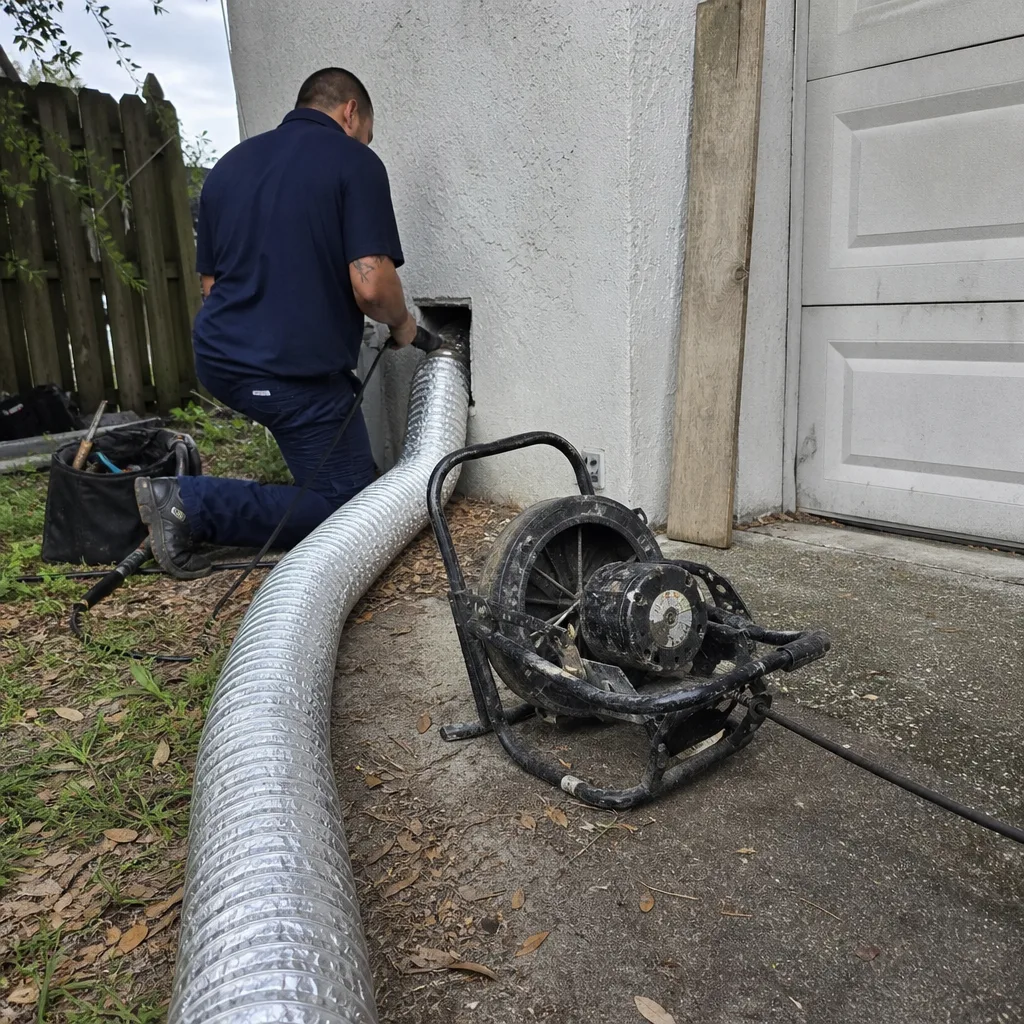 Before
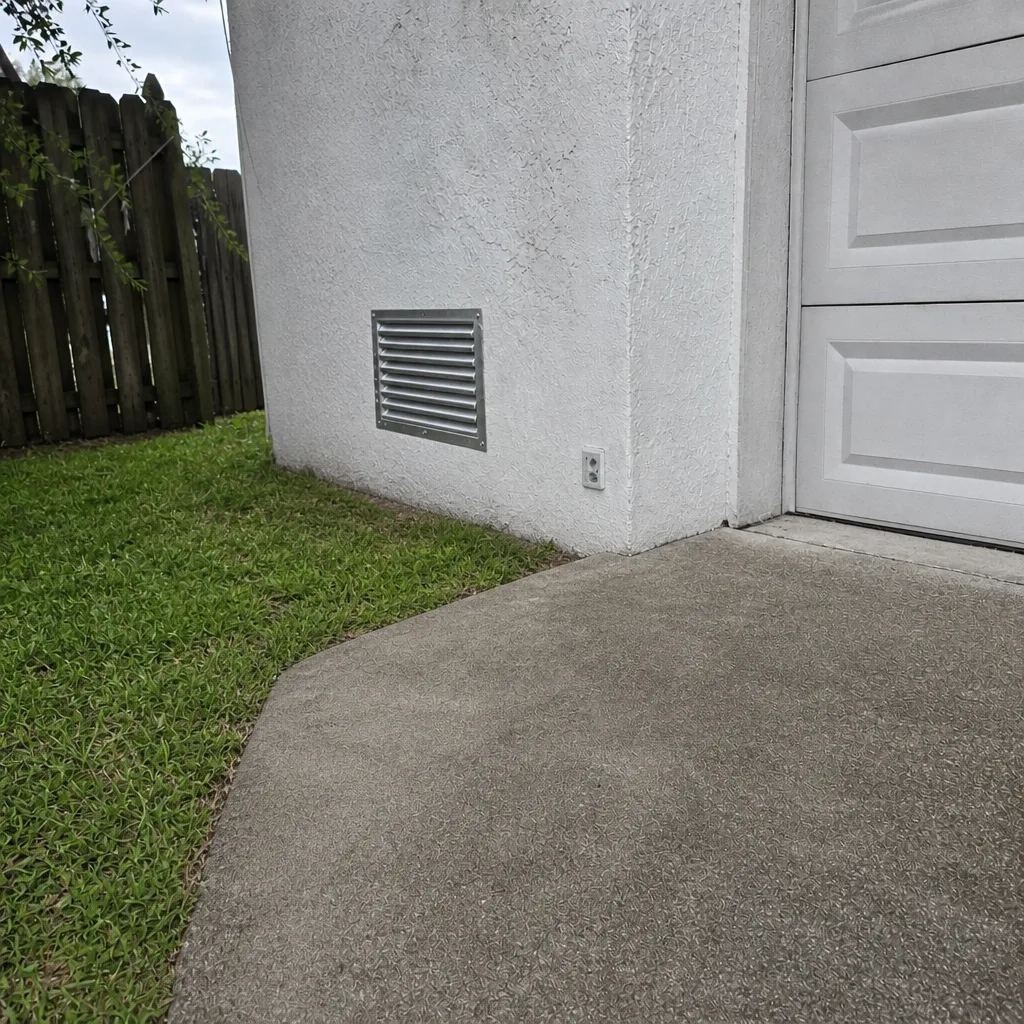 After
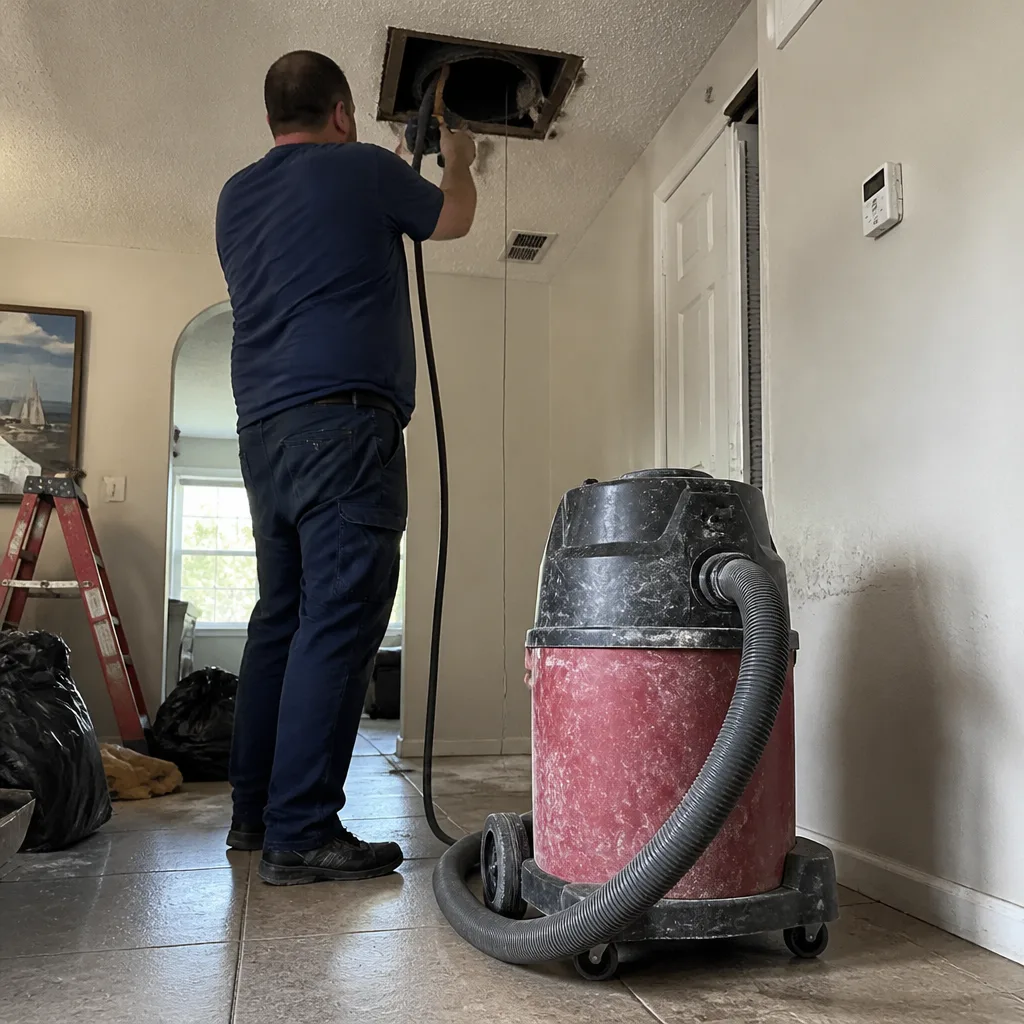 Before
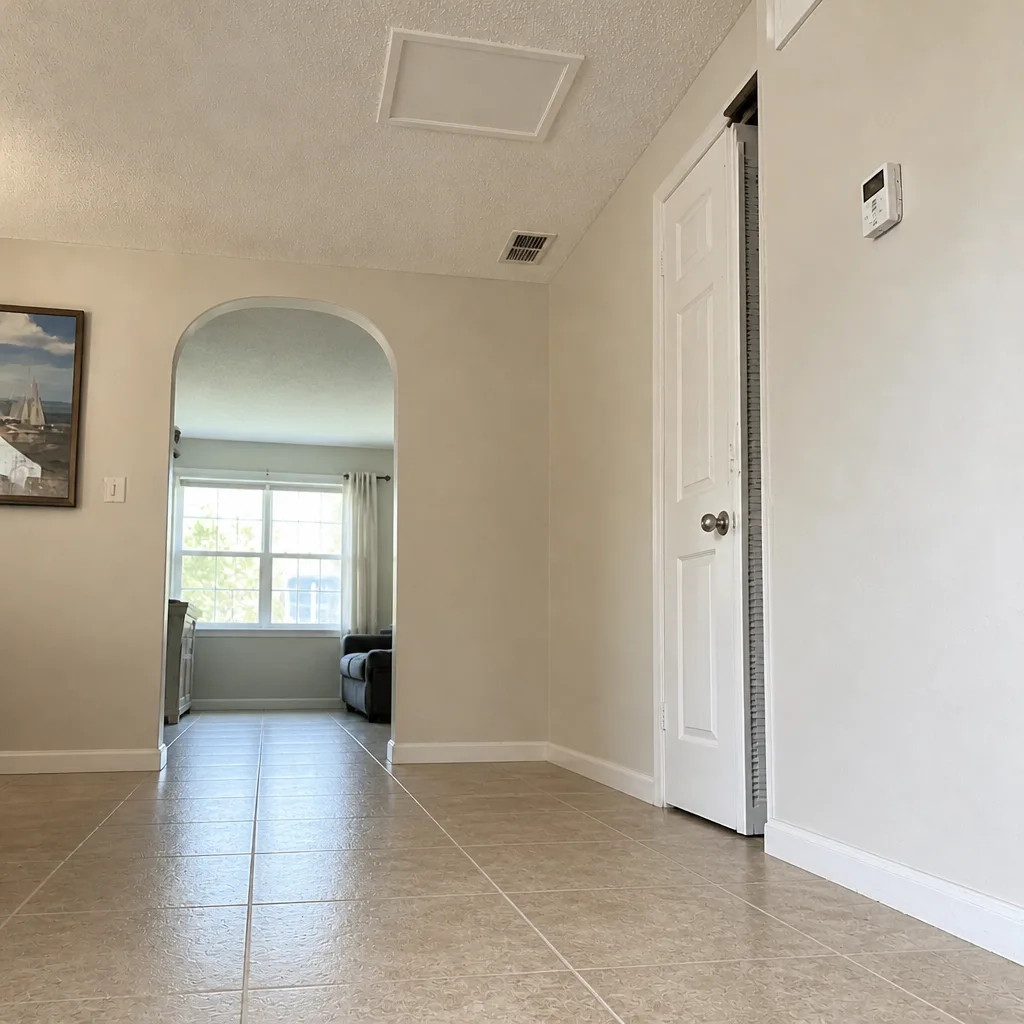 After
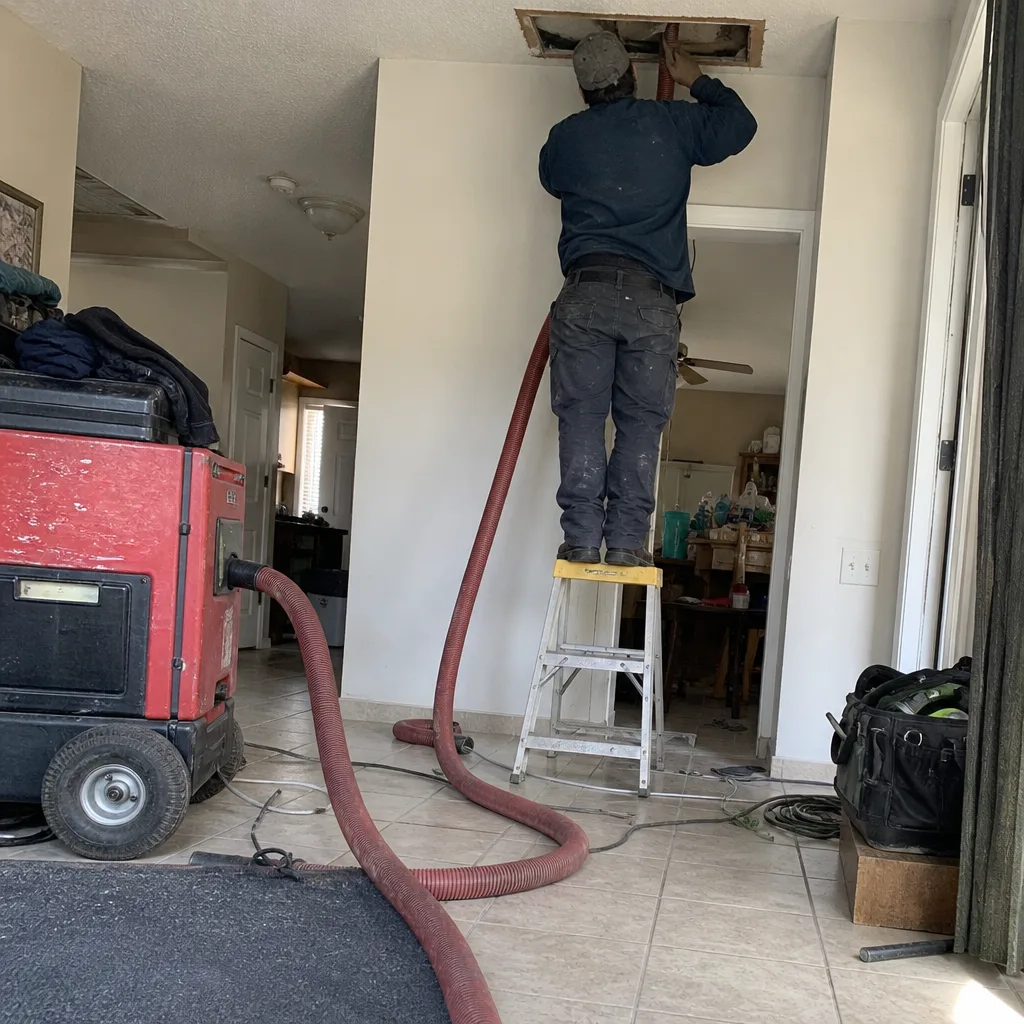 Before
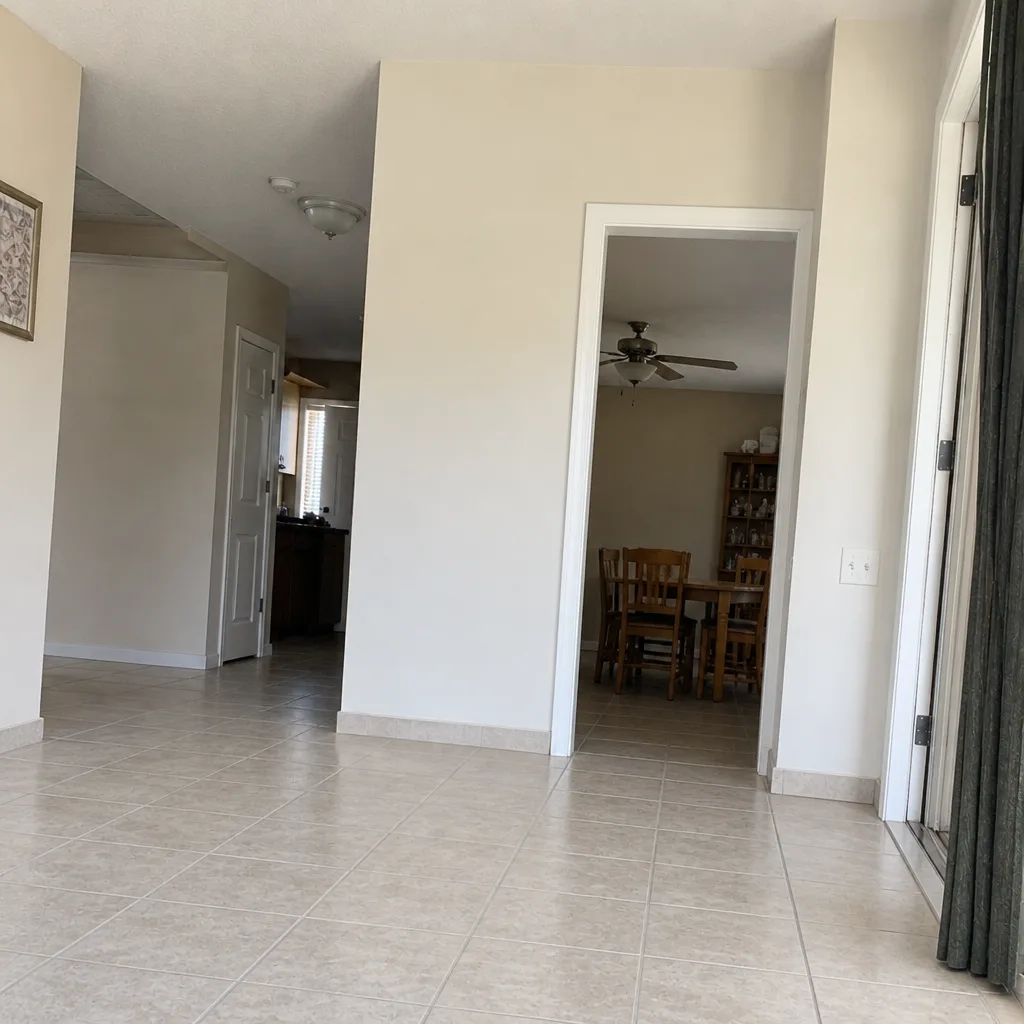 After
When to Call a Professional
Some duct issues are safe to defer, and some aren’t. Call a professional when you notice a musty smell at the return that doesn’t clear, dust reappearing on registers within days of a cleaning, or airflow that varies a lot from room to room. Call also if you see visible gaps or crushed sections in an accessible duct run, or if your dryer is taking longer to dry clothes. These point to a real system problem rather than routine maintenance. Our technicians have up to 9 years of experience diagnosing exactly these cases. Duct Cleaning Palm Bay offers free estimates in Palm Bay, and we answer 24/7. Call (844) 834-5154, or use our Duct Cleaning Palm Bay team to book a full system walk-through. Fast dispatch from 7am to 7pm, Sunday through Friday.
Frequently Asked Questions
No. A properly contained cleaning with negative-air equipment shouldn’t leave you with a fresh dust layer within days. If that happens, the likely cause is that the air handler, coil, or return plenum was skipped, or that containment wasn’t used. Call a different contractor for an inspection and ask for before-and-after photos this time. Call (844) 834-5154 for an exact quote on a full-scope cleaning.
Musty odors point to moisture, and moisture lives in the coil, drain pan, and return plenum, not just the duct runs. A cleaning that skips those parts won’t fix the smell. In Palm Bay’s humidity, those areas stay damp enough to regrow quickly if they were never addressed. Call (844) 834-5154 for a full-system inspection.
Ask for three things: a photo record of the ducts before and after, a description of the containment equipment used, and confirmation that the air handler, coil, and drain pan were included in the scope. A negative-pressure verification during the work backs all of it up. If a contractor can’t produce these, you don’t have proof the work was done. Call (844) 834-5154 for a free estimate that includes all three.
Cheap quotes usually mean a smaller scope and consumer-grade equipment. A low-bidder may skip the air handler, use a shop vac rather than HEPA and negative-air equipment, and leave the return plenum out of the job. What looks like a saving is more often a set-up for the symptoms this guide is about. Call (844) 834-5154 for an honest whole-system estimate.
For most Palm Bay homes, every few years is reasonable, but the local variables push that: high humidity, fine outdoor particulate, and long attic runs all shorten the useful interval. Homes with pets, recent remodeling, or persistent allergy symptoms tend to need it more often. Call (844) 834-5154 and we’ll help you figure out the right interval for your system.
Suspect moisture when the smell at the return is musty and persistent, when the drain pan stays wet, or when there’s visible discoloration near the coil cabinet. Those are signs the problem is moisture, not dirt. Depending on what the readings show, the right next step may be remediation rather than another cleaning. Call (844) 834-5154 for a moisture reading during an inspection.
The Bottom Line
Most duct cleaning problems are scope problems, not failures of the service. If you’re seeing dust within days, a musty smell at the return, or uneven airflow around the house, treat each as a diagnostic check: was the air handler cleaned, was the return plenum covered, was the containment set up right, is there a duct defect that needs repair, and is there a moisture issue that needs remediation instead of another cleaning pass? Get those answers and you’ll know what you’re actually paying for. In Palm Bay, the local climate makes the coil and return plenum the most important parts to get right. Duct Cleaning Palm Bay handles cleaning, repair, and the whole-system diagnosis behind both. Call (844) 834-5154 for a free estimate. We answer 24/7. Fast dispatch from 7am to 7pm, Sunday through Friday.
Written by the team at Duct Cleaning Palm Bay.