
Last updated November 15, 2026
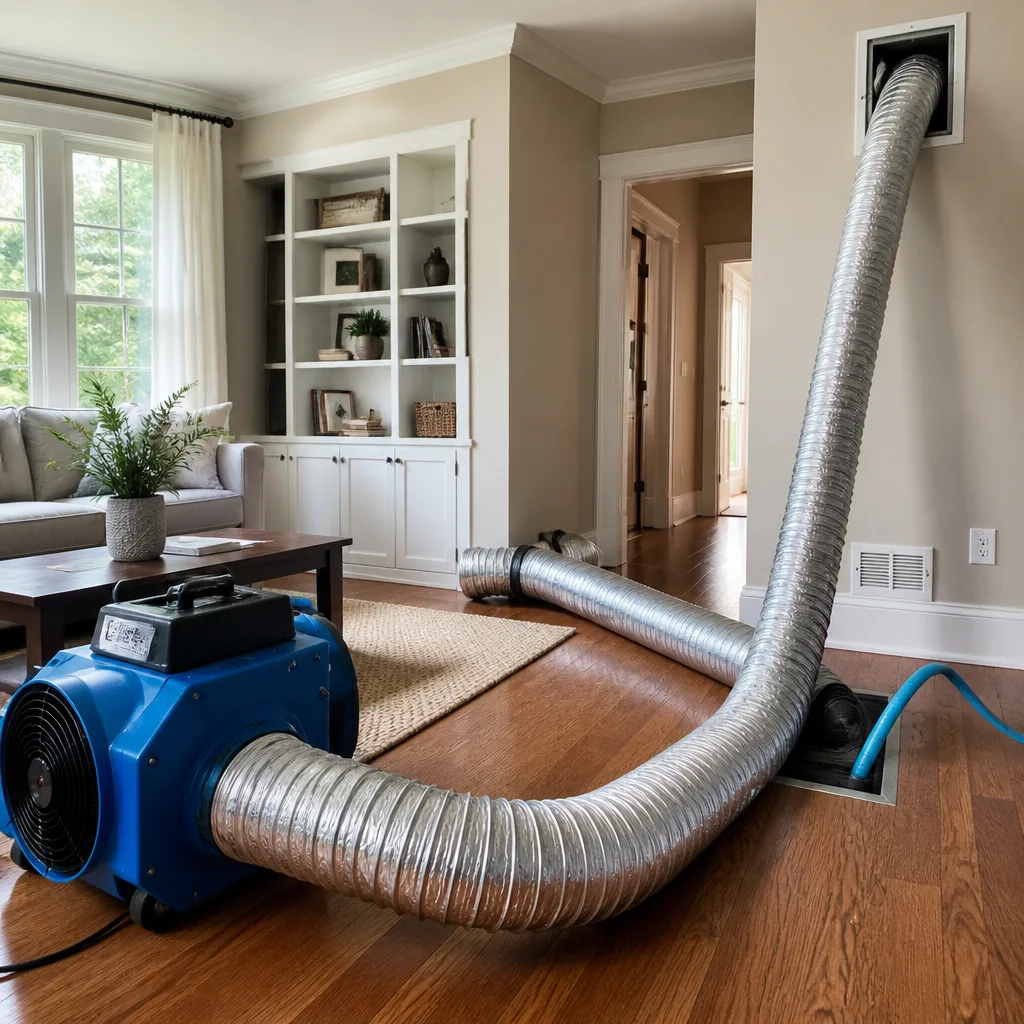 Whole-home duct cleaning
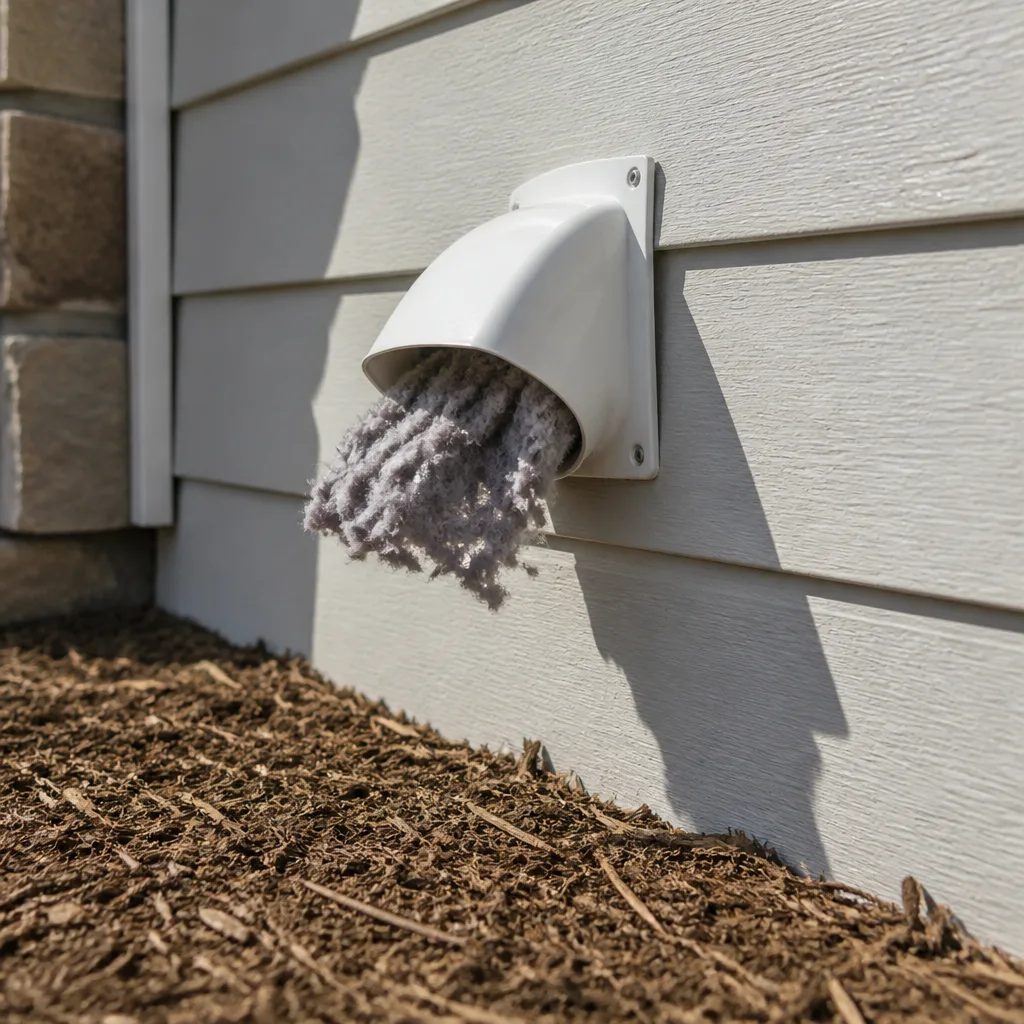 Dryer vent cleaning
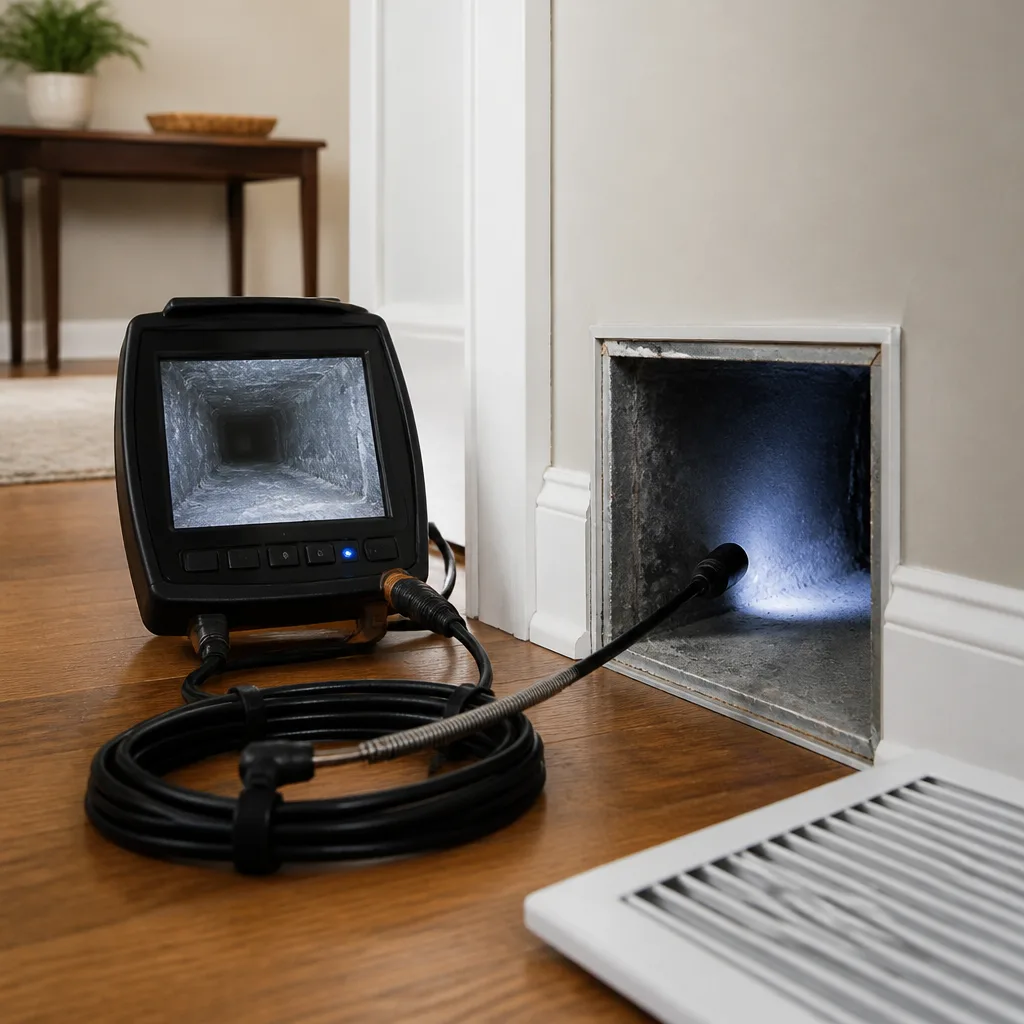 Camera inspection
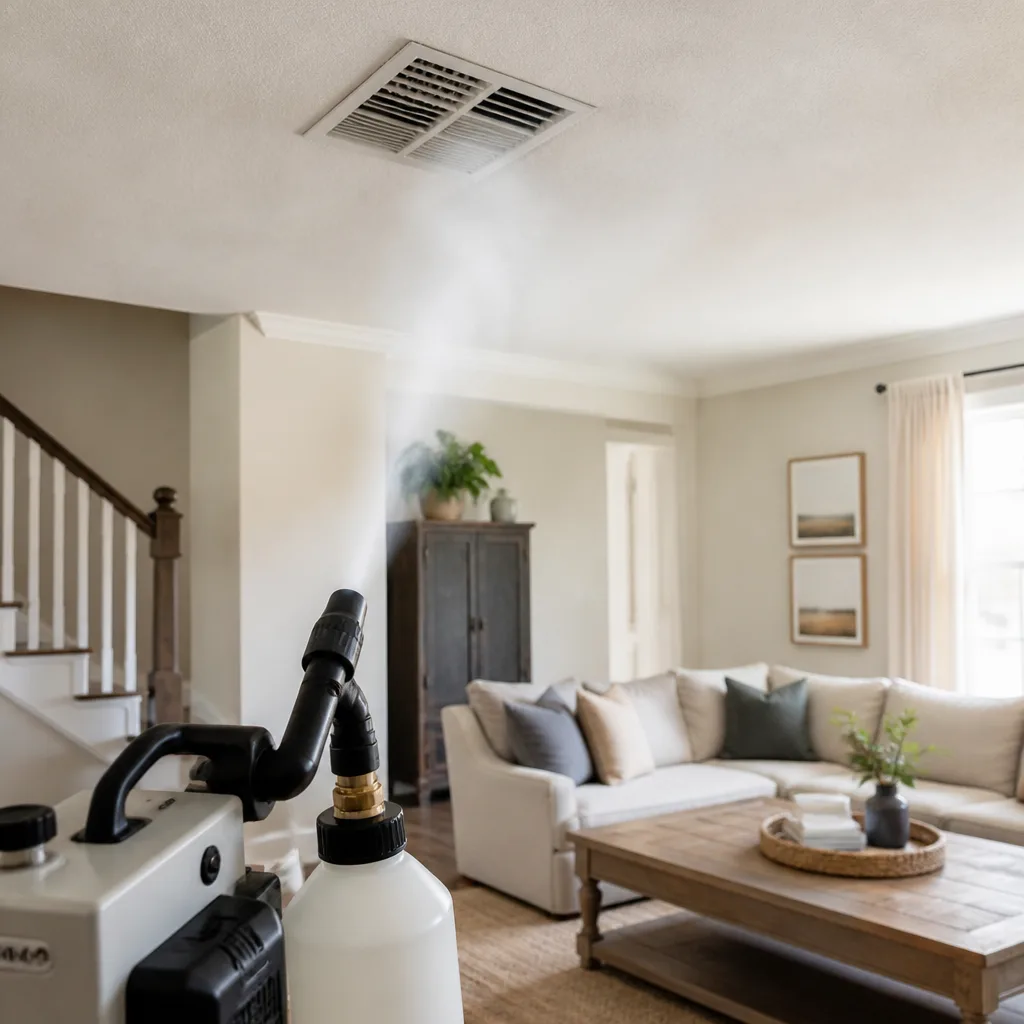 Sanitizing & deodorizing
Whole-system duct and dryer vent check with before-and-after photos - you see exactly what came out of your vents
That "$99 whole-house special" is a bait ad - the real number appears once they are in your hallway, or the "clean" is a shop-vac at the register. We photograph the inside of your ducts before and after instead.
Air Duct Cleaning Emergency Preparedness Guide for Palm Bay Homes
Most hurricane checklists tell you to board the windows, fill the bathtub, and shut off the propane. Almost none of them tell you what to do about the thing that touches every room in your house at once: the duct system. That’s the gap this guide fills. When a storm pushes water through a roof breach or drives humid air into a home that’s lost power for days, the ducts become a collection point for moisture and debris, not just a delivery system for cool air. We’re going to walk through what to check before you restart your system, what a genuine emergency duct cleaning looks like versus a routine one, how to document damage so your insurer takes it seriously, and what you can do before the next named storm to make your Palm Bay home’s ductwork more resilient. If you’ve ever wondered what’s actually hiding inside those runs, this is the place to start.
Quick Answer
After a hurricane or any event that brings water into a Palm Bay home, do not restart your air conditioning until the ductwork has been inspected for moisture intrusion, liner damage, and contamination. A professional post-storm duct inspection should include a visual check of accessible runs, the air handler, and insulation, followed by cleaning with negative-air containment if contamination is found. And the clock matters: in Florida’s heat and humidity, mold can begin colonizing wet fiberglass duct liner within about 72 hours, so assessment has a real deadline.
Styles & brands we work with
- Whole-home duct cleaning
- Dryer vent cleaning
- Camera inspection
- Sanitizing & deodorizing
Table of Contents
- Post-Storm Duct Inspection: What to Check Before You Restart the System
- How Tropical Humidity Affects Your Duct Liner
- Emergency Duct Cleaning vs. Routine Maintenance Cleaning
- Documenting Duct Damage for a Florida Insurance Claim
- Pre-Storm Preparation That Protects Your Ducts
- When Cleaning Isn’t Enough: Air Duct Repair After Storm Damage
- The 72-Hour Decision Window
Post-Storm Duct Inspection: What to Check Before You Restart the System
Running the system “just to see if it still works” is the most common mistake we see after a storm in Palm Bay. If water has entered the home through a roof, a window, or a failed seal around the air handler, the ducts may already be holding moisture. Turning the blower on pushes that moisture and whatever is growing in it into every room. Do the inspection first.
Here’s the sequence we recommend for a post-storm walkthrough:
- Check the air handler and its closet. Look for standing water, damp insulation, rust on the cabinet, or water stains on the platform. If the unit sits in an attic or garage, inspect the ceiling below it.
- Inspect accessible duct runs. In attics and crawlspaces, feel the flex duct liner for softness or sagging. Moist fiberglass insulation sags and loses its shape. Any run that’s hanging low or feels damp should be flagged.
- Look at the registers and grilles. Water stains, dark spotting, or a musty smell at the supply registers tells you moisture reached the trunks or branch runs.
- Check for roof penetration and ceiling stains. A small roof breach can drip directly into an attic duct run without you seeing anything from below.
- Test the filter for moisture. A wet or damp filter is a red flag. Replace it before any system restart.
- Smell test. Run the fan only (not the compressor) for a few minutes and see if the air from the registers smells musty or earthy. If it does, shut it down and call for an assessment.
None of this requires special tools, and none of it means you have to take anything apart. It’s a visual and sensory check. What it does is give you a reason to stop and get an expert assessment before the system runs for hours. If your home is in Palm Bay and you’re not sure what you’re looking at, a professional can tell in a walkthrough. Call air duct cleaning specialists who see post-storm conditions regularly, and they’ll be honest with you about whether you need cleaning or just a filter change.
How Tropical Humidity Affects Your Duct Liner
Palm Bay’s climate runs warm and humid most of the year. That’s the reason duct contamination after a storm is a bigger deal here than in a drier part of the country. The problem isn’t the water you can see. It’s the moisture that gets trapped inside the wall of a flex duct and inside the fiberglass liner of a metal duct trunk.
Flex duct is usually built with an outer vapor barrier, a layer of fiberglass insulation, and an inner liner (often a thin plastic film). When hurricane-driven humidity infiltrates through a compromised vapor barrier, that insulation becomes a sponge. Once it’s wet, it stays wet inside a closed attic or a wall cavity. The inner liner can lose its seal and start to peel or sag. Airflow then bypasses the liner, which means the system pushes air directly through dirty, damp insulation instead of through a clean tube.
Why does the 72-hour window matter? Mold spores are everywhere in outdoor air, and they only need moisture and a food source to grow. The interior of a wet duct provides both. In the warm temperatures of a Florida attic, active mold colonization can begin within about three days of a moisture event. That’s why “we’ll deal with it next month” is the wrong answer after a storm. Every day you wait, the remediation scope gets larger and the potential for duct replacement grows. Mold in a duct system is a health concern, not a cosmetic one, and cleaning a system that’s actively colonized requires proper negative-air containment, HEPA filtration, and antimicrobial treatment, not a shop vac.
This is where professional equipment earns its keep. A duct cleaning Palm Bay crew using Rotobrush rotary contact cleaning and Nikro HEPA vacuums can address a contaminated system correctly because the equipment is designed to capture and contain what it dislodges. Consumer tools just move the problem around.
Emergency Duct Cleaning vs. Routine Maintenance Cleaning
“Emergency duct cleaning” isn’t a marketing term we made up. There is a real scope difference between cleaning a home that’s had water intrusion and cleaning a home that’s simply due for maintenance. Here’s how they differ.
Routine maintenance cleaning typically covers the full system: registers, supply and return trunks, branch runs, and the air handler interior. The goal is removing accumulated dust, debris, and biological growth that builds up over time. It’s a scheduled job, usually done with a standard rotary brush and HEPA vacuum setup.
Emergency or post-storm cleaning adds several layers:
- Moisture assessment and documentation. Before cleaning, the technician documents what’s wet, what’s damaged, and what’s contaminated. This is the record your insurer will want.
- Negative-air containment. Abatement Technologies negative-air machines create controlled airflow so dislodged contaminants don’t escape into living spaces. This is standard practice for remediation and restoration work, and it’s the difference between cleaning a duct and contaminating a house.
- Antimicrobial application. After cleaning, an appropriate antimicrobial product is applied to surfaces that had biological growth.
- Repair scope. Any damaged flex runs, disconnected joints, or failed vapor barriers are identified and repaired. Cleaning a compromised duct without repairing it just sets up the next problem.
- Post-cleaning verification. Photos of interior duct surfaces before and after, plus a written summary of findings, are provided to the homeowner.
Routine cleaning is a scheduled appointment. Emergency cleaning is a targeted response, and it involves more equipment, more documentation, and often more repair work. If you’re weighing whether you need the full scope, ask specifically what the contractor’s containment procedure is. A crew that can’t explain negative-air containment isn’t set up for post-storm work.
Documenting Duct Damage for a Florida Insurance Claim
Ductwork damage from a storm event is often overlooked on insurance claims because most homeowners don’t know it’s claimable. Water intrusion, roof breach damage, and contamination from extended power loss (when humidity builds inside a closed home) are all potential covered losses under many Florida homeowner policies. The catch is documentation. Adjusters need evidence that connects the duct damage to the storm event, not to deferred maintenance.
Here’s what to gather:
- Date-stamped photos of every affected area. The attic, the air handler, the registers, and any ceiling or wall stains. Take photos before you clean anything up.
- A written contractor report. This should identify the specific damage: moisture-damaged flex duct, failed vapor barriers, biological growth on duct interior surfaces. The report needs to state the cause where it can be determined, and it needs to be signed.
- Pre-cleaning and post-cleaning photos of duct interiors. Professional contractors document this as standard practice. It’s the proof that the work was done and it shows the condition that existed before remediation.
- Equipment and product records. If antimicrobial products or containment equipment are used, those are billable items and should appear on the invoice.
- Receipts for any interim measures. Filter replacement, dehumidifier rental, or a temporary window unit all count toward the claim if they were necessary to prevent further damage.
Two practical notes. First, don’t dispose of damaged duct materials until the adjuster has seen them. Second, if the claim is significant, ask your contractor whether they can speak directly with the adjuster. Many will. A clear, well-documented report from a professional carries more weight than a homeowner’s description. If you’re in Palm Bay and need an inspection right after a storm, Duct Cleaning Palm Bay offers free estimates and can provide the photo documentation and written findings your insurer will expect.
Pre-Storm Preparation That Protects Your Ducts
The best time to protect your duct system is before the hurricane watch goes up. These steps take an afternoon and meaningfully reduce storm-related duct damage.
1. Seal the registers and grilles. Tape heavy plastic sheeting over every supply and return register before a named storm. This prevents wind-driven rain from being forced into the ductwork through exterior walls, and it also stops floodwater from entering through the registers if the home takes on water. Use painter’s tape on painted surfaces to avoid pulling paint, and seal the plastic fully around each edge.
2. Protect the air handler. If the air handler is in an attic, wrap the unit and its electrical connections with a tarp, secured but not airtight at the bottom. If it’s in a garage or closet at floor level, elevate it if you can, and seal the door with weatherstripping or plastic sheeting. The goal is keeping wind-driven moisture out of a unit that will be idle for days.
3. Replace the filter right before the storm. A clean filter isn’t just for efficiency. It becomes part of the seal during the storm, and after power is restored, a clean filter means the system is pulling air through a clean path. Have two spare filters on hand before the season starts.
4. Walk the attic and seal obvious gaps. Look for penetrations through the roof deck, gaps around plumbing vents, and loose duct connections. A tube of mastic and a roll of foil tape can close most of these. Don’t try to seal anything from the roof side during a storm; this is a pre-season step.
5. Label your shutoff. If water starts entering, being able to shut off the HVAC quickly prevents it from pulling moisture through the system. Know where the breaker and the external disconnect are, and label them clearly.
6. Decide your restart plan in advance. Before the storm, know who you’ll call for a post-storm duct inspection. Deciding when you’re panicked and the power is out is the wrong time to be searching. Write the number down.
For more on what a full cleaning schedule looks like for a Palm Bay home, the Palm Bay service overview is a good starting point.
When Cleaning Isn’t Enough: Air Duct Repair After Storm Damage
Storm damage often reveals problems that were already there: a poorly connected flex run, a crushed duct in the attic, a return plenum that was never sealed properly. Cleaning around those defects doesn’t fix them. That’s why we handle air duct repair alongside cleaning. It’s also why we recommend a repair scope as part of any post-storm assessment.
Signs your ducts need repair, not just cleaning:
- Visibly disconnected or crushed flex duct runs in the attic or crawlspace.
- Liner delamination inside metal trunk ducts (the inner lining has pulled away from the sheet metal).
- Sagging flex duct that’s lost its shape or has visible moisture staining.
- Registers with low or uneven airflow after cleaning.
- Duct joints that were taped but have lost their seal.
- A vent that’s pulling air in from an unconditioned space instead of delivering it.
Repair work after a storm is often where the real value sits. You can clean a sagging, disconnected duct all day and it won’t improve your air quality or your system’s performance. Repairing it will. If your home is in Palm Bay and you’ve had water damage, ask the contractor to assess duct integrity as part of the estimate, not just cleaning scope.
The 72-Hour Decision Window
This is the part of post-storm recovery that most homeowners don’t hear until it’s too late. There’s a real deadline for a decision about your ducts, and it isn’t measured in weeks.
Here’s how the timeline typically runs after a moisture event in a Palm Bay home:
- 0-24 hours: Initial wetting. Insulation in the duct system absorbs moisture. If the power is out, interior humidity climbs. The ducts are wet or getting wet.
- 24-48 hours: Continued moisture. If the power is restored and the system runs, it drives humid air through the ducts. If it stays off, conditions settle into humid and stagnant.
- 48-72 hours: The window for mold colonization. Wet fiberglass insulation and duct liner can begin to support active mold growth. The environment inside a Florida attic is warm enough that the process is quick.
- 72 hours and beyond: Remediation scope grows. Cleaning a system that was dried or cleaned early is a contained job. Cleaning a system with established growth often requires replacement of damaged sections and full antimicrobial treatment.
The decision you’re making within 72 hours is this: do you dry and assess now, or do you wait and risk a larger remediation. We recommend getting a professional inspection within 48 hours of any water event that could have reached the ducts. That doesn’t mean scrubbing everything down the same day. It means having someone qualified look at it and tell you whether you’re facing a cleaning or a repair.
Whatever the climate, the answer is the same: handling the moisture early always costs less and disrupts less. If you’re not sure whether your ducts got wet, get the assessment.
Common Mistakes to Avoid
- Running the AC to “dry things out.” After a storm, running the system can push moisture-laden air into every room. Dry the home with fans and dehumidifiers first, and have the ducts inspected before the HVAC runs.
- Trusting a shop vac to handle mold. A consumer vacuum recirculates fine particles into the air. Post-storm cleaning requires HEPA filtration and negative-air containment to do it safely.
- Skipping the attic walk. Roof breaches and attic duct damage are invisible from below. Palm Bay homes with attic units need an attic check after any storm that could have compromised the roof.
- Cleaning without repairing. If a duct is disconnected or its liner is compromised, cleaning it doesn’t solve anything. Ask the contractor to scope repairs at the same visit.
- Filing an insurance claim without documentation. Date-stamped photos and a written contractor report are the backbone of a duct damage claim. Take the photos before cleanup, and don’t discard damaged materials.
- Waiting past the 72-hour window. Once mold has colonized, the scope expands. Early assessment is worth far more than a low bid on later remediation.
- Ignoring the dryer vent as part of storm prep. A storm-damaged or crushed dryer vent is a fire risk in the weeks after. It’s worth a separate inspection. dryer vent cleaning professionals can check it while they’re on site.
See the difference
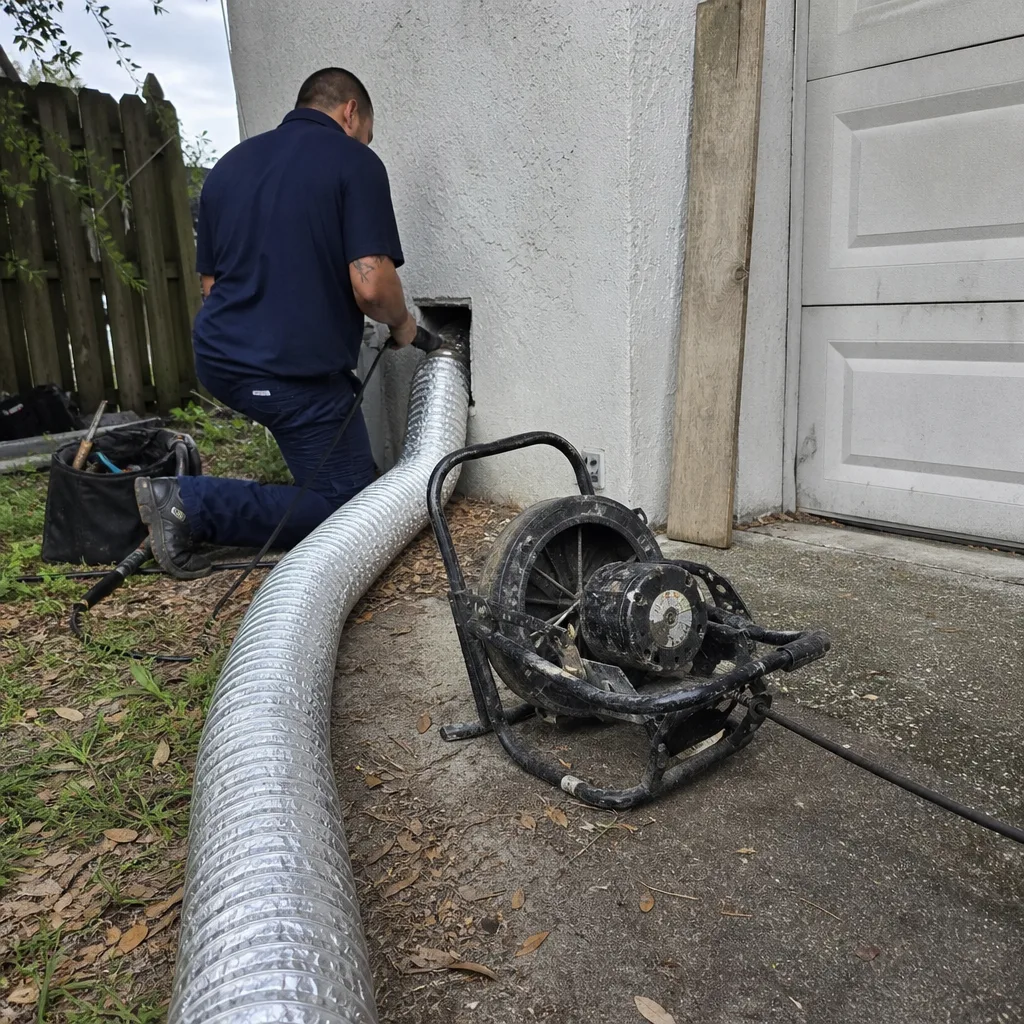 Before
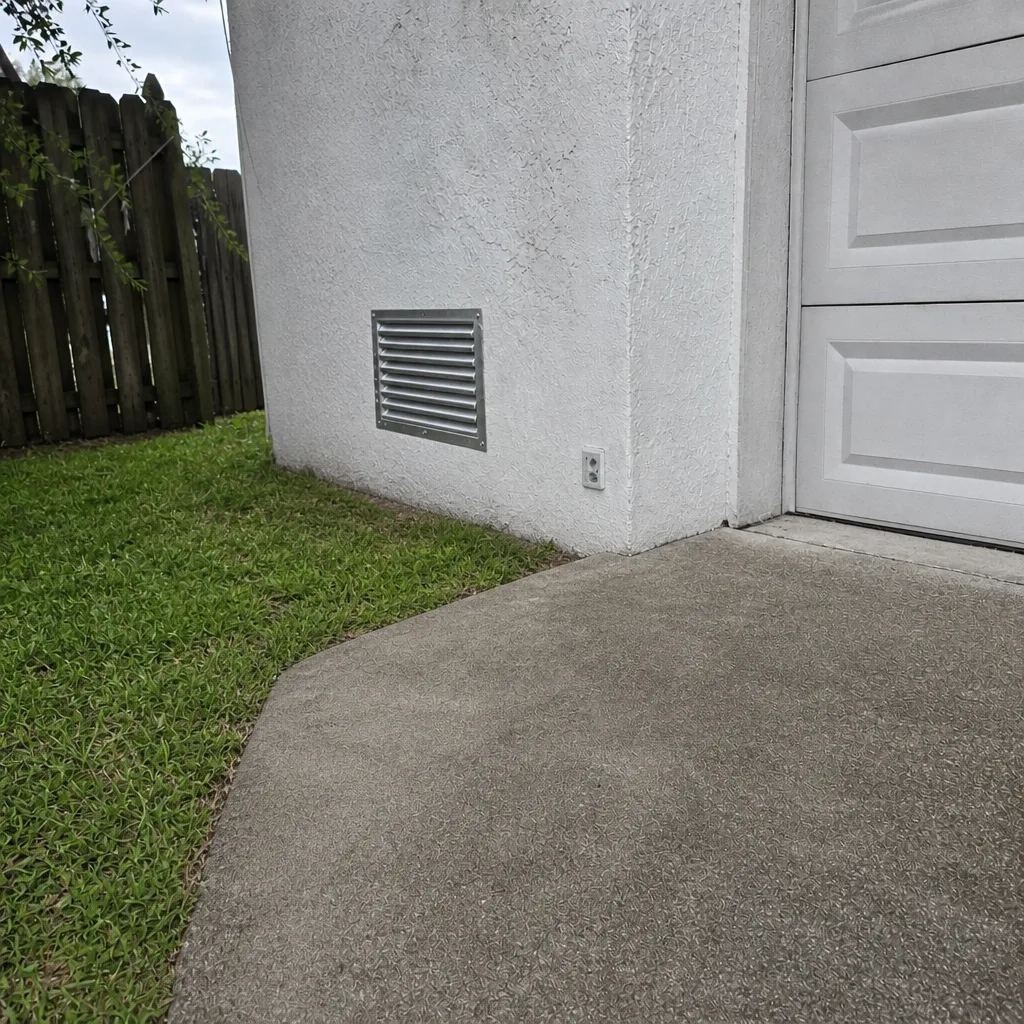 After
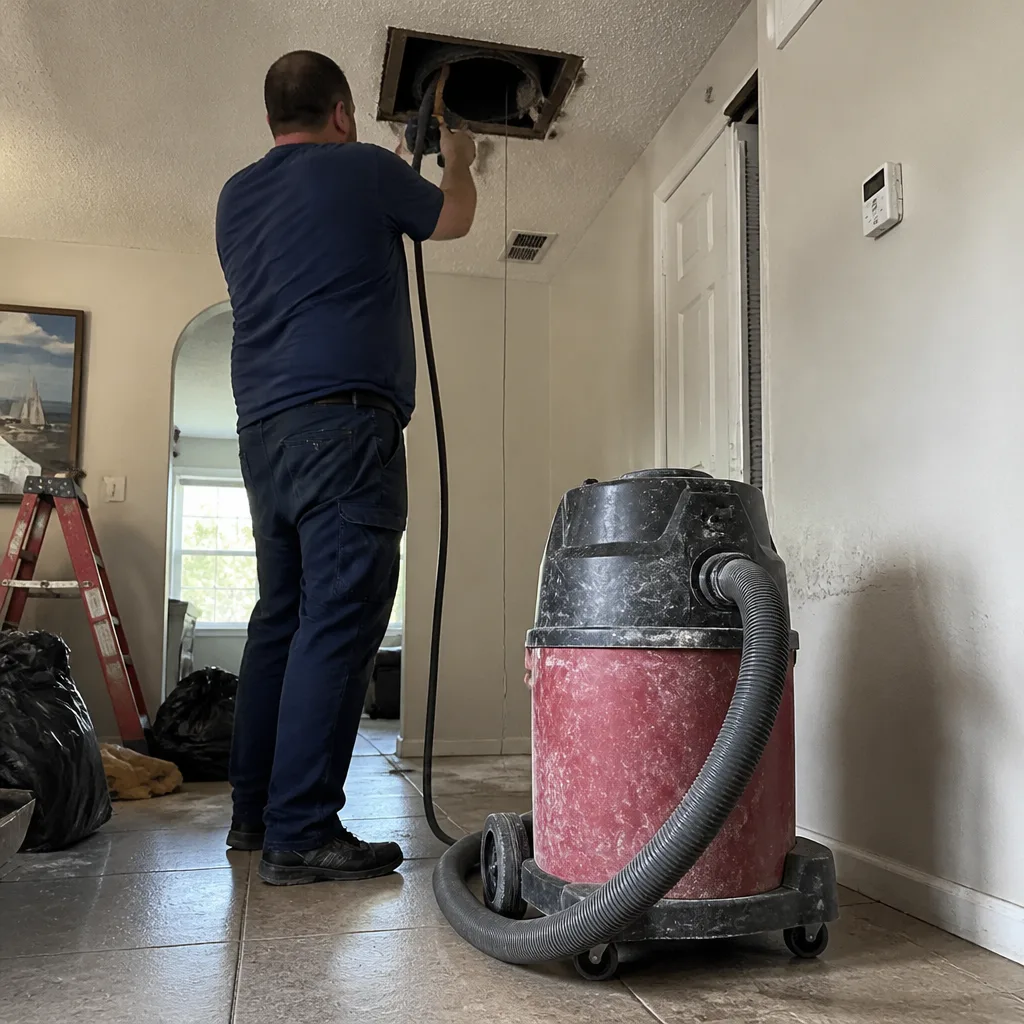 Before
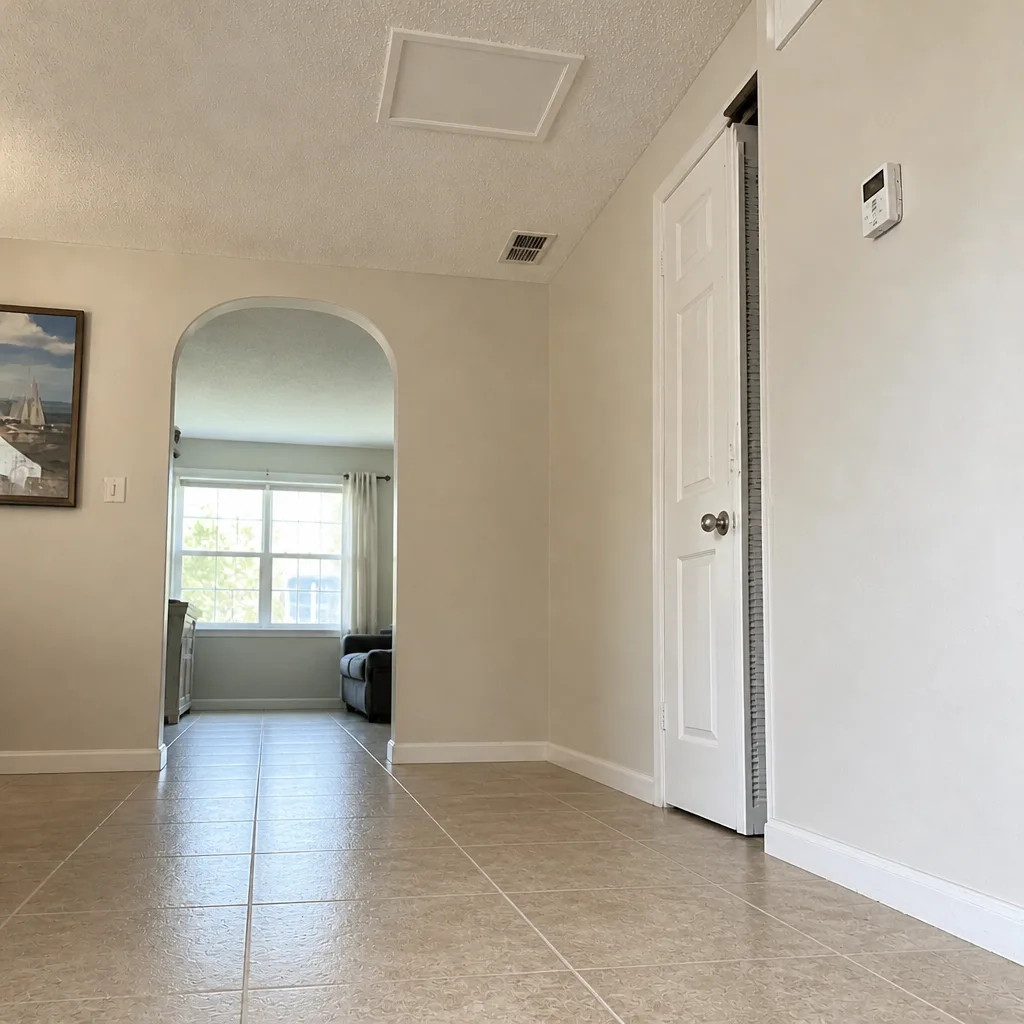 After
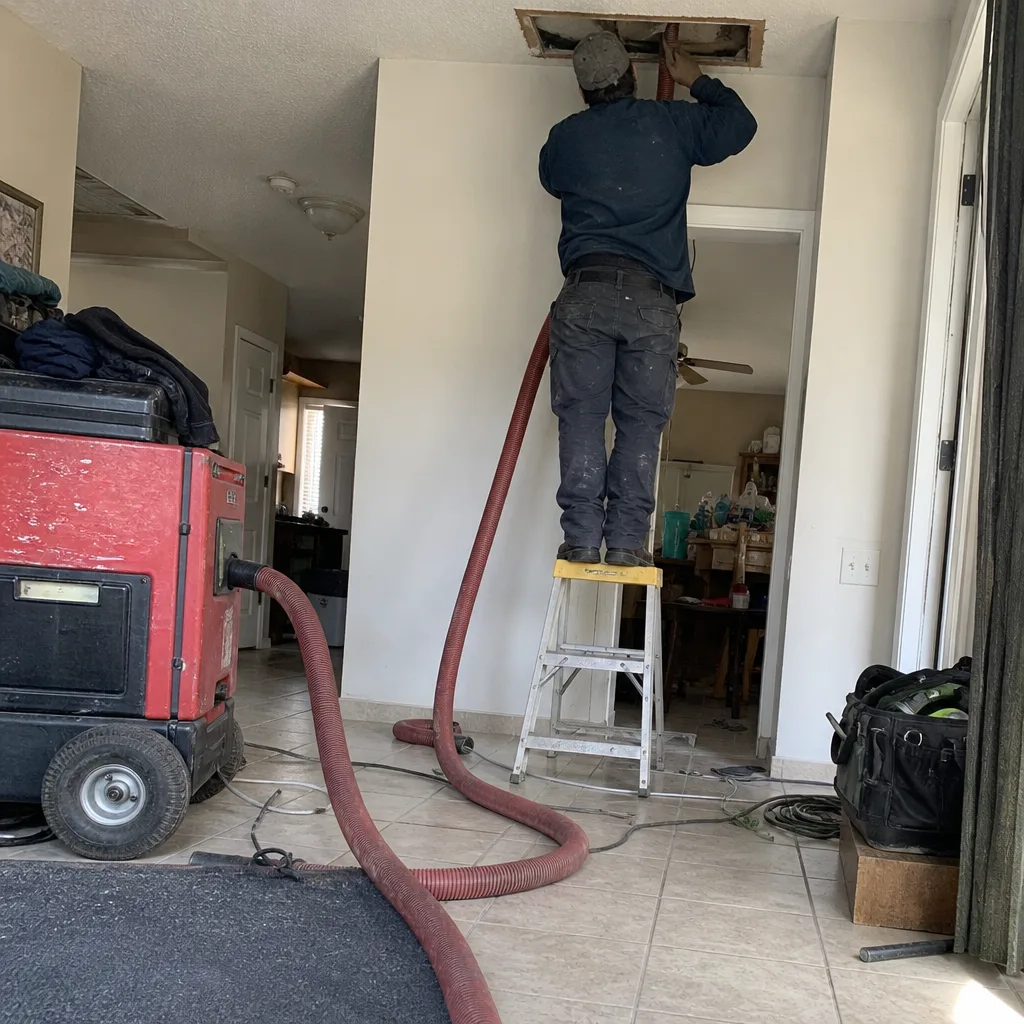 Before
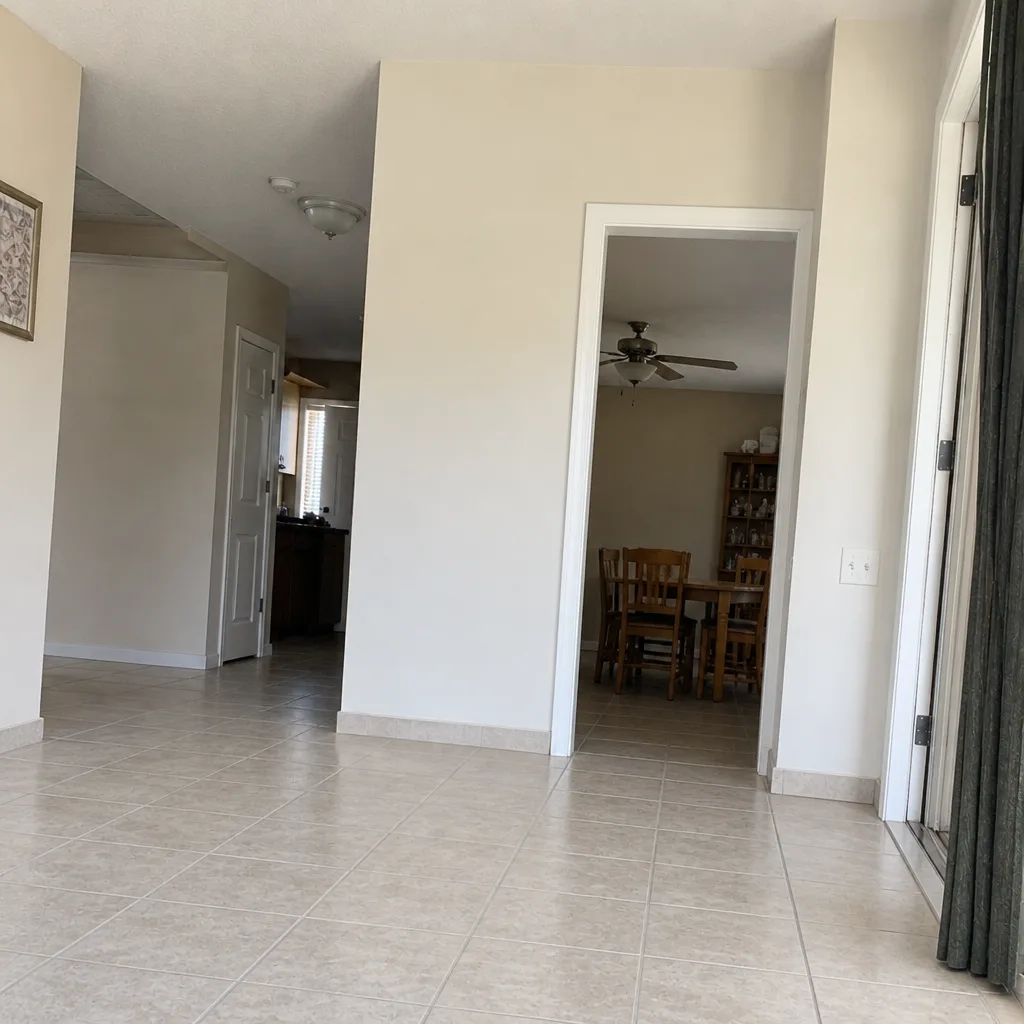 After
When to Call a Professional
Call for professional duct inspection and cleaning if any of the following has happened since your last storm: your home took on water at any level, wind-driven rain entered through a roof or window, the power was out for more than a day in summer heat, you can smell a musty odor from the registers, or you’re seeing visible mold at the supply and return grilles. Call also if your ducts are older flex runs that sagged or if you live in an older Palm Bay home with original ductwork, because those systems are more prone to moisture infiltration and damage. And if you’re filing an insurance claim, get a professional assessment early. Our technicians have up to 9 years of experience with post-storm conditions. Duct Cleaning Palm Bay offers free estimates in Palm Bay – call (844) 834-5154.
Frequently Asked Questions
Duct cleaning in Palm Bay typically runs $300 to $600 for a whole-home system, though a post-storm job that involves moisture remediation, negative-air containment, or duct repair can run higher. The final price is set by a written estimate after the contractor inspects the system, so don’t accept an over-the-phone number without a walkthrough. Call (844) 834-5154 for a free estimate and a per-job price agreed before work starts.
Because they often aren’t post-storm cleaning at all. A low bid usually means a standard maintenance cleaning without containment, HEPA filtration, or antimicrobial treatment. The work may look similar on the invoice but won’t address the moisture and contamination a storm leaves behind. Ask any contractor what equipment they’ll use and whether they set up negative-air containment. Confident crews will show you. Call (844) 834-5154 and we’ll explain exactly what the scope includes.
You should receive before-and-after photos of the duct interiors, a written inspection report identifying what was found, and an itemized invoice matching the scope in the estimate. That’s the standard we hold ourselves to. If a contractor can’t provide photos and a written report, don’t hire them. Call (844) 834-5154 to schedule an inspection with documentation included.
Only if the ducts have been inspected and cleared. If water reached your home or your roof was breached, do not restart the system before an inspection. Running the blower pushes moisture and any biological growth into every connected room. If you’re not sure whether water got into your ducts, have them inspected first. Call (844) 834-5154 to book an inspection.
For a home with no storm events, every 3 to 5 years is a reasonable schedule, or whenever you notice heavy dust, uneven airflow, or a musty smell. For a home that’s been through a water event, treat the storm as a reset: assess immediately and clean if moisture reached the ducts, regardless of when the last cleaning happened. Call (844) 834-5154 if you’d like an honest assessment of whether cleaning is due.
Often yes, if the damage can be traced to a covered storm event, but the documentation matters. Date-stamped photos, a signed contractor report, and before-and-after photos of duct interiors are what adjusters look for. Some policies also cover interim measures like filter replacement and dehumidifier rental. Get an inspection first and keep every record. Call (844) 834-5154 for a documented assessment.
The Bottom Line
Ductwork is part of your home’s respiratory system, and after a storm it needs the same attention you give the roof and the walls. The core sequence is simple: inspect before restarting, document what you find, act within 72 hours, and choose a contractor who works with professional equipment like Rotobrush, Nikro, and Abatement Technologies rather than a shop vac and a promise. Palm Bay homes face a specific combination of storm exposure and humidity, and that makes the post-storm duct decision a real one, not a maintenance afterthought. Cleaner air starts at the source. Whether you’re preparing for the season or recovering from the last storm, we’re glad to walk through it with you.
To schedule a free estimate in Palm Bay, call (844) 834-5154. We answer 24/7. Fast dispatch from 7am to 7pm, Sunday through Friday. Estimates are free, and you’ll see the equipment we use before any work begins.
Written by the team at Duct Cleaning Palm Bay.